

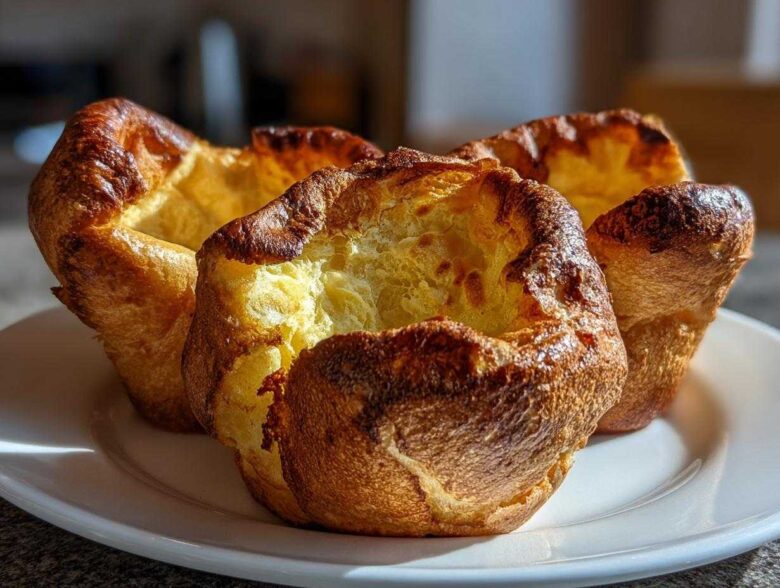
There is nothing, I mean nothing, that completes a proper Sunday Roast quite like a tower of glorious, puffed-up, golden-brown goodness standing guard beside the meat and gravy. For years, I thought achieving that famous rise in a yorkshire pudding was some kind of dark magic reserved only for Yorkshire grannies, but trust me, I cracked the code!
I’ve been burned—literally, with spluttering fat and flat, sad little puddings that look more like pancakes. But after much trial and error, I figured out the secrets that make this recipe truly foolproof. We’re talking about puddings that are impossibly crispy on the outside and airy, hollow castles on the inside. You won’t be disappointed with this batch, I promise!
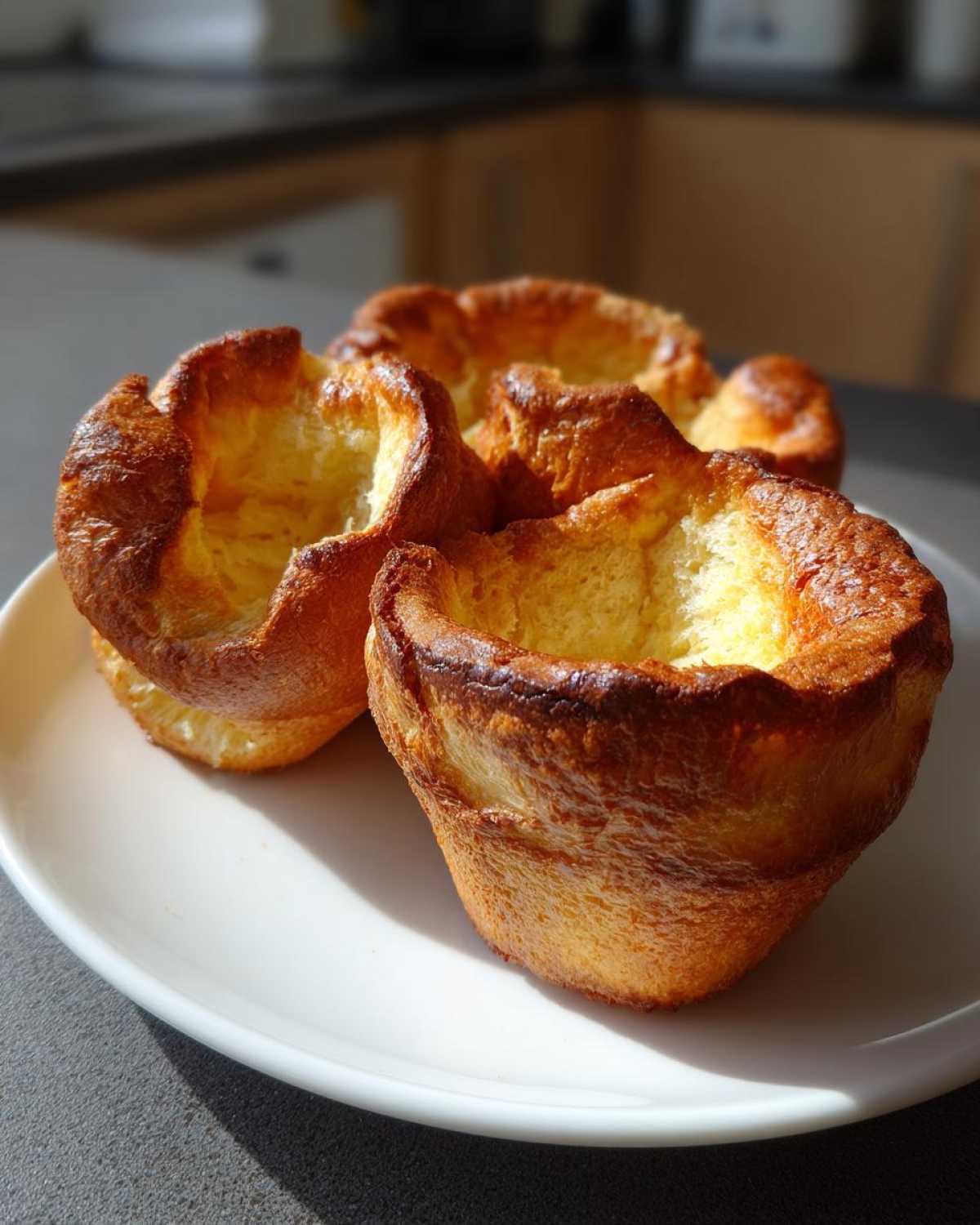
Why This Foolproof Yorkshire Pudding Recipe Works Every Time
Making Yorkshire puddings that actually puff up high and stay crispy isn’t luck; it’s chemistry, and I’ve nailed the perfect formula here. So many recipes promise light results but deliver flat, chewy discs, especially when paired with my famous gravy recipe.
The success of these Foolproof Yorkshire Puddings comes down to two non-negotiable steps. Forget complicated ingredient ratios; it’s all about timing and temperature. These Pudding Batter Secrets ensure you get that towering, golden-brown shell every single time, making your Sunday dinner famous.
The Importance of Resting Your Easy Yorkshire Pudding Batter
I know you’re anxious to get these in the oven, but you simply must let that batter rest! Cover the bowl and walk away for at least a half hour, honestly, longer is better. Resting lets the gluten strands in the flour relax completely. When the gluten is relaxed, it expands dramatically in the intense heat, giving you that beautiful, airy interior cavity instead of a dense, chewy centre. It’s worth the wait, trust me on this one!
Achieving Smoking Hot Fat for Crispy Yorkshire Puddings
If your fat isn’t smoking hot, you’ve already lost the battle. When you pour cool batter into cool fat, the temperature shock doesn’t happen, and the puddings just bake flatly. Get that oil or dripping in the tin, place it in the ragingly hot oven (220°C!), and wait until you can see wisps of smoke coming off the fat. That intense heat triggers the steam needed for that unbelievable, dramatic puff. It’s exciting!
Essential Ingredients for Classic Yorkshire Pudding
Okay, let’s talk ingredients, because for these simple, gorgeous side dishes, quality really does matter. We aren’t using a laundry list of complicated things here; it’s just four main players plus the cooking fat. You’ll notice the focus is on getting the ratios exactly right—that’s where the magic hiding spot is!
Here’s what you need for a dozen beautiful servings:
- 140g plain flour, sifted thoroughly
- 4 large eggs, make sure they are room temperature if you can, though cold is fine if the batter rests!
- 200ml milk, trust me, use whole milk for the richness.
- A small pinch of salt. Always salt your baking items!
- Vegetable oil or, even better, beef dripping for cooking.
Ingredient Notes and Substitution Guidance
When it comes to the milk, stick to whole milk if you want that wonderfully tender crumb. Skimmed milk just doesn’t give the batter the necessary richness to catch the heat properly. And the fat choice? If you are making a traditional meat roast dinner, you absolutely must use beef dripping if you can get it—the flavor it imparts is unbeatable and truly authentic. If you’re keeping things vegetarian, a good quality vegetable oil like sunflower works well, just make sure it has a high smoke point.
Don’t mess with the flour type; plain flour creates the perfect structure here. Anything else and you risk changing the texture we are aiming for!
How to Make Yorkshire Puddings: Step-by-Step Instructions
Now for the main event—the part where we put all that theory into practice! If you follow these steps exactly, you’ll know precisely how to make Yorkshire puddings that look incredible coming out of the oven. Grab your whisk and let’s get that beautiful batter sorted out, maybe before planning your next meat pie!
Mixing the Easy Yorkshire Pudding Batter
First things first, sift that flour and salt into your biggest bowl—no one likes hidden lumps! Make a little well right in the middle and crack those four eggs in. Start whisking the eggs right there in the middle, slowly dragging the flour in from the sides. Once it starts getting thick, start drizzling in that cold milk gradually. Keep whisking until it’s totally smooth. It should be thin, like single cream, not thick like pancake mix. Remember what I said earlier? Cover it up now and let it rest. Seriously, don’t even think about putting it in the oven yet!
The Critical Heating Stage for Perfect Yorkshire Pudding Rise
This is where you prove your dedication! Get your oven cranked up high—we need 220°C (425°F). Pour about a teaspoon of oil or dripping into each cup of your muffin tin. Get that tin right into the middle rack and let it heat for a solid ten minutes. You are not just heating the tin; you are heating the fat until it is absolutely smoking hot. If you pull the tray out and the fat isn’t shimmering hot, send it back in for a few more minutes. That intense heat is non-negotiable for a good, dramatic rise!
Baking Your Fluffy Yorkshire Puddings
Work quickly here! Pull that searing hot tin out, pour your rested batter in right away, filling each hole only halfway. Immediately slide the tin back into the oven. Now comes the hardest part: stay away! Do not open that door for at least 20 minutes. If you peek too soon, the blast of cool air will cause them to collapse instantly. They’re done when they’ve puffed up hugely, look deep golden brown, and sound crisp when you tap the side. Serve these Fluffy Yorkshire Puddings immediately!
Tips and Tricks for the Best Yorkshire Pudding Results
Mastering these Yorkshire Pudding Tips and Tricks separates the bakers who get applause from those who hide their failures in the back of the cupboard! Honestly, it’s mostly about resisting the urge to fiddle with things once they are in the oven. I’ve learned this the hard way, usually when serving guests my prime rib!
If you want perfect, Golden Brown Puddings every time, you need to know what usually goes wrong and how to fix it before it happens. It saves so much stress during a busy Sunday dinner preparation.
Troubleshooting Common Yorkshire Pudding Failures
So, why did your puddings stay flat? Nine times out of ten, the fat wasn’t hot enough—it needs to be smoking when the batter hits it, period. If they puff up beautifully and then immediately sink when you take them out, that often means your batter was slightly too thick, or maybe you opened the oven door too soon. They need that initial blast of heat to set their structure. Another quick fix for flatness? Make sure you didn’t pour too much cold batter into the hot fat; filling them only halfway is key. Don’t stress, just check your initial steps next time!
Serving Suggestions for Your Traditional British Side Dish
There is simply no substitute or shortcut here—this Traditional British Side Dish belongs right next to a perfectly cooked roast, especially roast beef. That slightly crispy, airy shell is absolutely designed to capture rivers of rich, homemade gravy. My favorite way to serve them is fresh out of the oven, still gloriously hot, with a small dollop of homemade horseradish sauce close by for those who like a little kick alongside their beef, you can find my sauce recipe here.
They look fantastic arranged in a big pile near the Yorkshire puddings themselves, or you can even fill the center of larger puddings with a bit of stew or peas, though I prefer mine classic and naked, ready for soaking up jus!
Variations on the Classic Yorkshire Pudding Recipe
While I stand by this exact formula as the pinnacle of the traditional method, I know life throws curveballs! Sometimes you need smaller portions for a party, or maybe you’re cooking for someone who can’t eat wheat. It’s easy to tweak this base recipe without losing that essential fluffiness.
The beauty of this simple batter means you can adapt it for different needs. We aren’t changing the fundamental egg-to-flour ratio, just how we cook it or what flour we use! These quick changes let you serve these delicious British favourites to everyone.
Making Individual Yorkshire Puddings for Parties
If you’re aiming for petite, perfect little golden cups—great for canapés or just portion control—you absolutely can use this same batter. The instructions list 12 holes in a muffin tin, which makes wonderful Individual Yorkshire Puddings. Just be mindful of the fat required for each little cup. If you want giant, restaurant-style puddings meant solely for gravy cradling, use a standard, deep roasting tin instead. Remember, larger puddings generally need a few extra minutes in the oven for the center to set, but they should still enjoy that crazy initial rise!
A Note on Gluten Free Yorkshire Pudding Options
I’ve experimented a bit with making these wheat-free for friends, and while it’s possible, it takes a little more finesse! If you need a Gluten Free Yorkshire Pudding, ditching the plain flour for a good quality 1-to-1 gluten-free blend is the simplest swap. However, I find the gluten-free flours don’t trap steam quite as effectively as wheat flour does. To compensate, you might need to increase the resting time of the batter significantly, maybe even let it sit overnight in the fridge. You’ll still get a great bake, but you might miss that ultimate, delicate crispness of the classic made with regular flour.
Storage and Reheating Instructions for Yorkshire Puddings
Okay, if you have leftovers—which frankly, I rarely do because everyone devours the lot—you need to know how to save them properly. The biggest mistake people make is trying to reheat these crispy treats in the microwave. Don’t do it! The microwave will instantly turn your perfect, fluffy exterior into a sad, soggy sponge. I spent years learning that lesson the hard way when trying to save some for lunch the next day!
To store them, first, let them cool completely on a wire rack. This prevents steam buildup, which is the enemy of crispiness. Once cool, pop them into an airtight container or a zip-top bag. They keep perfectly well at room temperature for a day, or you can tuck them into the fridge for up to three days.
Reviving That Golden Crispiness
When you’re ready to serve those remaining puddings, we need to bring back that structural integrity. You want that glorious crunch again, remember? The key is very high, dry heat. Preheat your oven—don’t use the microwave, do not use the air fryer unless you want to burn them instantly—back up to about 200°C (400°F).
Lay the leftover puddings directly onto the oven rack. This allows the air to circulate all around them, drying up any residual moisture from storage. Let them sit in that hot, dry heat for about 5 to 8 minutes. You’ll hear them start to crackle again, and they will firm right up. Pull them out when they look golden and feel solid and crisp to the touch. They are ready to be smothered in sauce!
Frequently Asked Questions About Making Yorkshire Puddings
I get so many messages asking about tiny details, which is wonderful! It just shows how much love there is out there for a proper Sunday Roast. Here are a few things I hear all the time about achieving those tall, amazing results. If you’ve been looking at my other posts, you know I love a good Q&A session!
Can I use butter instead of oil or dripping for my yorkshire pudding?
This is a tricky one, and my answer is usually: use it carefully! While butter tastes amazing, it just doesn’t have the same smoke point as vegetable oil or beef dripping. If you use butter, it burns and starts smoking before it gets hot enough to trigger that massive burst of steam that lifts your pudding. If you must use butter, I suggest cutting it with a little bit of oil, maybe half and half, just to raise that smoke point a bit. For guaranteed rise, though, stick to dripping or a neutral, high-smoke-point oil.
What is the best oven temperature for puffy popovers?
For those wonderfully Puffy Popovers that look like they’re trying to escape the tray, you need the highest, dry heat you can safely manage! I insist on 220°C (425°F / Gas Mark 7). Anything less, and you risk the batter cooling down too much when it hits the tin, which means they won’t puff up properly. You need that intense heat to shock the water in the batter into instant, explosive steam!
Isn’t this too complicated for a basic side dish?
Absolutely not! Honestly, once you know the rules—hot fat and resting the batter—these are so much easier than, say, making puff pastry. The ingredients are dirt cheap, too. That’s what I love about this recipe; it’s the definition of incredible results from simple ingredients. You don’t need any fancy kitchen equipment, just a good whisk and a reliable oven that holds its heat.
Can I make the batter the night before for my Sunday Roast Recipes?
Yes, and I highly recommend it! Allowing the batter to rest in the fridge overnight is actually my preferred method sometimes, especially if I’m having company. It just gives the gluten even more time to relax, leading to lighter textures. Just make sure that when you pull the batter out of the fridge, you let it sit on the counter for about 30 minutes to an hour before you preheat that tin. It shouldn’t go straight from ice cold to smoking hot fat, or you risk knocking the air out of it right before baking.
Estimated Nutritional Data for Homemade Yorkshire Pudding
Now, I know most of us aren’t reaching for a Yorkshire pudding recipe because we’re counting calories—they are comfort food, after all! But I always like to give a rough idea of what’s in one of these gorgeous, puffy treats, just so you know what you’re getting into when you stack them high.
This data is based on the recipe yielding 12 small puddings, using standard white flour and vegetable oil for the fat. Please remember that if you use rich beef dripping, things like saturated fat content will shift! If you’re making your own homemade gravy to go over the top, that’s going to add a whole different nutritional profile, so keep that in mind!
Here is a general overview per single pudding:
- Calories: Around 120
- Fat: Roughly 6 grams (with roughly 2g being saturated, depending on your fat choice)
- Carbohydrates: About 13 grams
- Protein: Around 5 grams
- Sugar: Very low, about 2 grams
See? They aren’t bad at all before you smother them in beef juices! They are mostly simple flour and eggs. Enjoy them liberally with your next roast dinner, that’s what they are for!
PrintThe Perfect Foolproof Yorkshire Puddings

Make classic British Yorkshire puddings that are crispy outside and light and fluffy inside using this simple, reliable recipe.
- Prep Time: 10 min
- Cook Time: 25 min
- Total Time: 65 min
- Yield: 12 small puddings
- Category: Side Dish
- Method: Baking
- Cuisine: British
- Diet: Vegetarian
Ingredients
- 140g plain flour
- 4 large eggs
- 200ml milk (whole milk works best)
- Pinch of salt
- Vegetable oil or beef dripping, for cooking
Instructions
- Sift the flour and salt into a large bowl. Make a well in the center.
- Crack the eggs into the well. Begin whisking the eggs, gradually incorporating the flour from the sides.
- Slowly pour in the milk while continuously whisking until you have a smooth, thin batter, similar in consistency to single cream.
- Cover the bowl and let the batter rest at room temperature for at least 30 minutes, or up to several hours in the refrigerator. Do not skip resting.
- Preheat your oven to 220°C (425°F / Gas Mark 7). Place a 12-hole muffin tin (or a roasting tin for larger puddings) into the oven.
- Add about 1 teaspoon of oil or beef dripping into each hole of the tin. Heat the tin in the oven for at least 10 minutes until the fat is smoking hot.
- Carefully remove the hot tin from the oven. Quickly and carefully pour the batter evenly into the hot fat, filling each hole about halfway.
- Immediately return the tin to the oven. Do not open the oven door for the first 20 minutes.
- Bake for 20 to 25 minutes, or until the puddings are well risen, deep golden brown, and crisp. Serve immediately.
Notes
- The key to a good rise is very hot fat. The fat must be smoking before you add the batter.
- Use cold milk and eggs for the best initial batter consistency.
- Resting the batter allows the gluten to relax, resulting in a lighter final texture.
- For the best flavor, use beef dripping instead of vegetable oil.
Nutrition
- Serving Size: 1 pudding
- Calories: 120
- Sugar: 2
- Sodium: 80
- Fat: 6
- Saturated Fat: 2
- Unsaturated Fat: 4
- Trans Fat: 0
- Carbohydrates: 13
- Fiber: 1
- Protein: 5
- Cholesterol: 75