

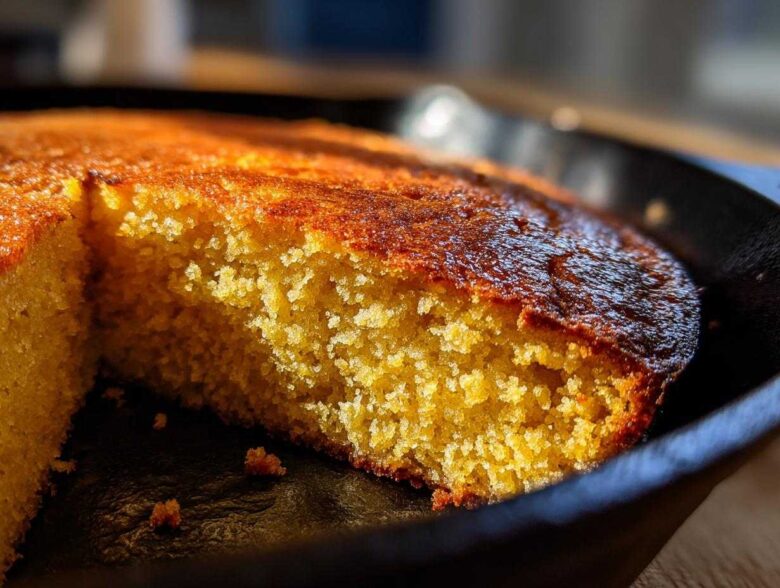
I used to think cornbread was supposed to be sweet, kind of soft, and almost cake-like. You know, something nice for dessert. But when Jacob started cooking with his cast iron collection, I realized those sweet versions were missing the soul of the dish! True Southern cooking is all about balance, and for cornbread, that means savory, tangy, and a crust that shatters when you touch it. This recipe is the one that made me a true believer. Forget the sugar; we are leaning hard into that buttermilk tang and getting those irresistible crispy edges. Jacob’s favorite part is the sizzle when the batter hits the hot fat—it’s pure magic and proves we’ve nailed the perfect way to make this skillet cornbread.
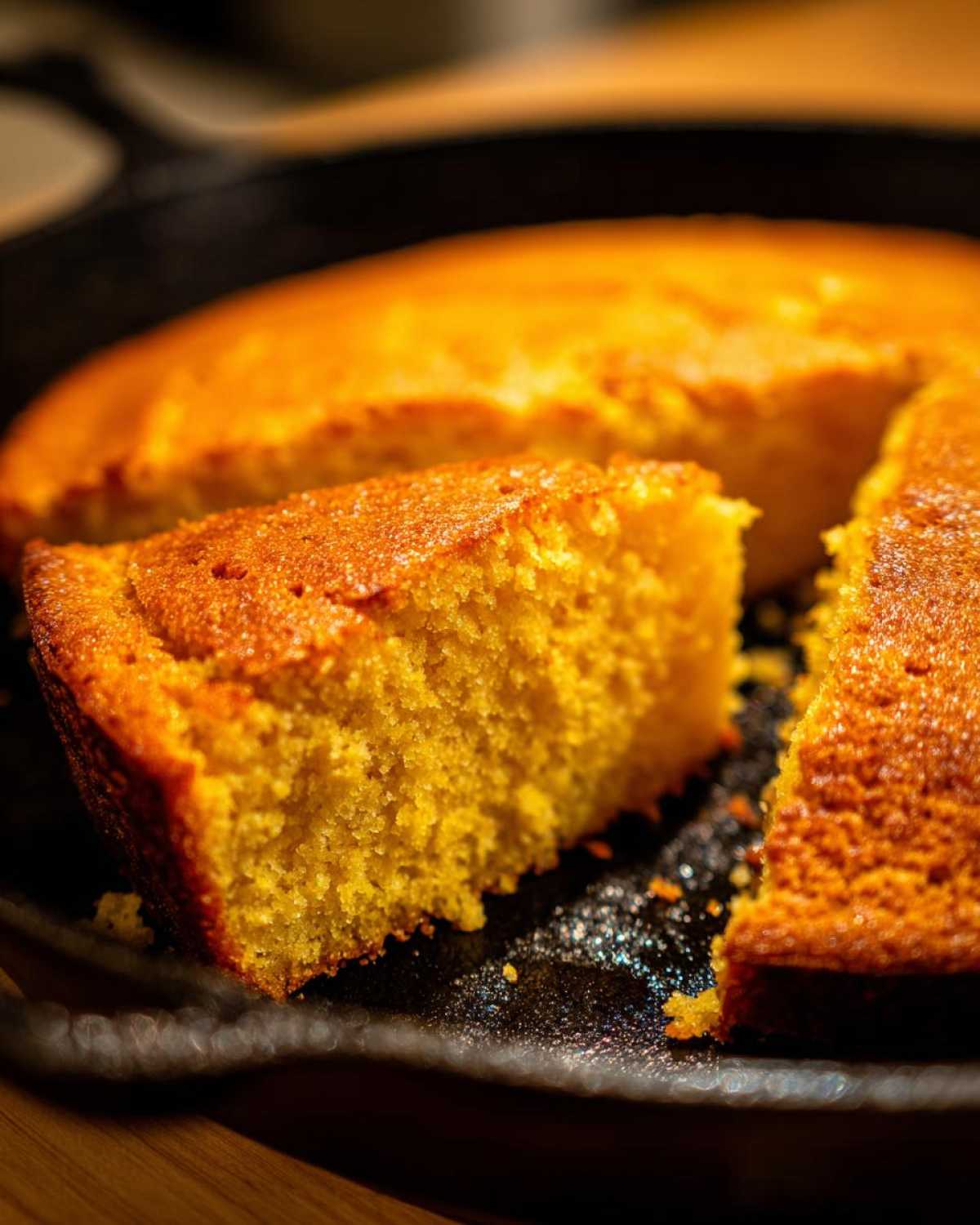
Why This Authentic Southern Skillet Cornbread Recipe Works
This isn’t just any bread; it’s history baked in a heavy pan! The reason this recipe knocks it out of the park every single time comes down to two concepts that Amelia, the planner, insisted we map out perfectly before we even thought about publishing. It’s all about how we treat that cast iron skillet and our choice of dairy. This perfect skillet cornbread is about contrast—hot sizzle meets cool batter.
- The marriage of cornmeal and flour gives us the right structure without being heavy.
- Buttermilk brings fantastic tangy flavor that makes this savory side dish shine. We use it liberally for deep flavor, just like in my favorite moist buttermilk cornbread variations.
- The cast iron skillet is non-negotiable; it holds and distributes the heat perfectly.
The Secret to Crispy Skillet Cornbread Edges
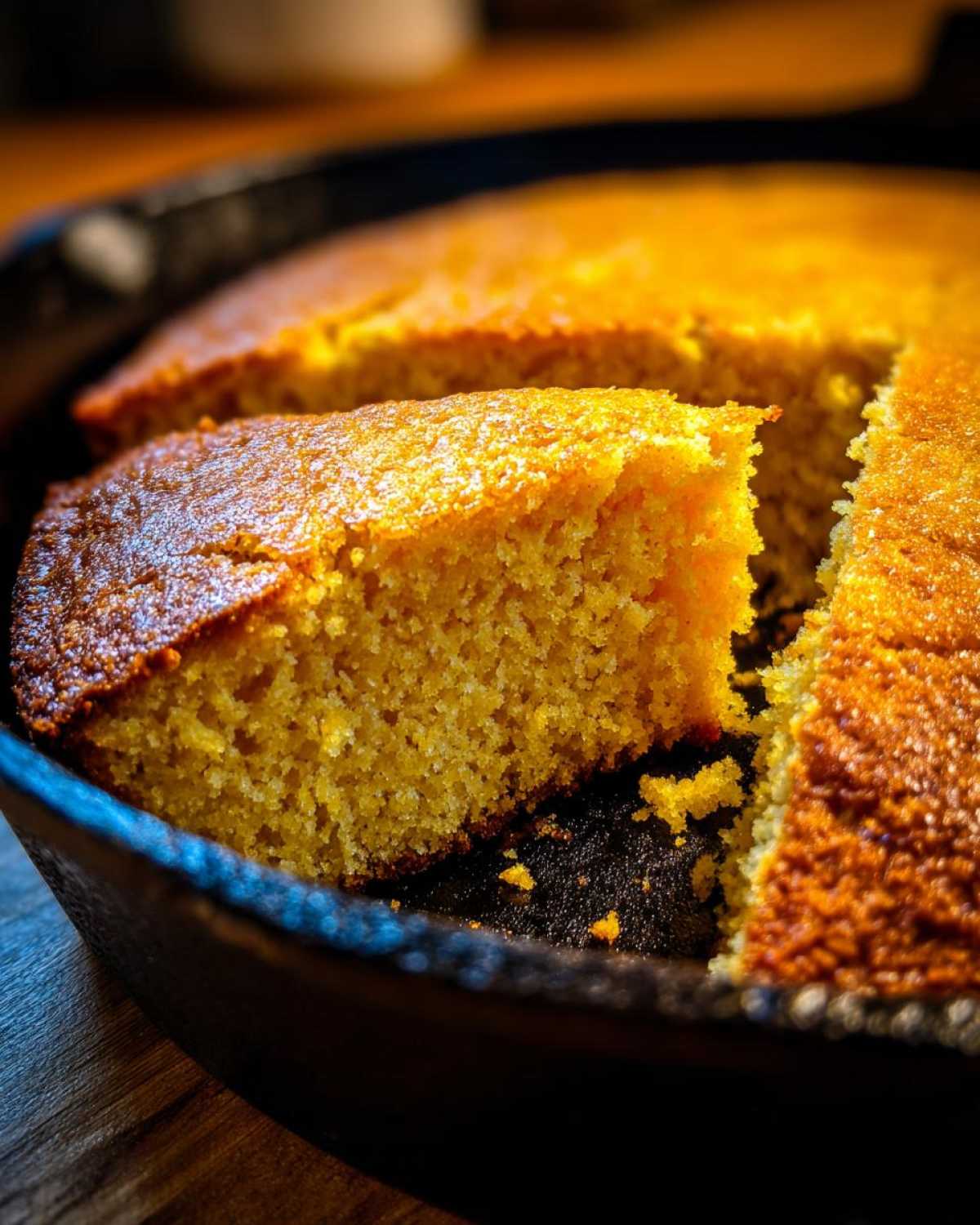
You absolutely must preheat your skillet. I mean, preheat the *pan itself* in the oven while it warms up! Then, once the pan is hot, we drop the fat—that glorious bacon grease—right in there. It has to be smoking hot when the batter hits it. That initial blast of heat immediately cooks the edges, locking in that signature crunch we crave.
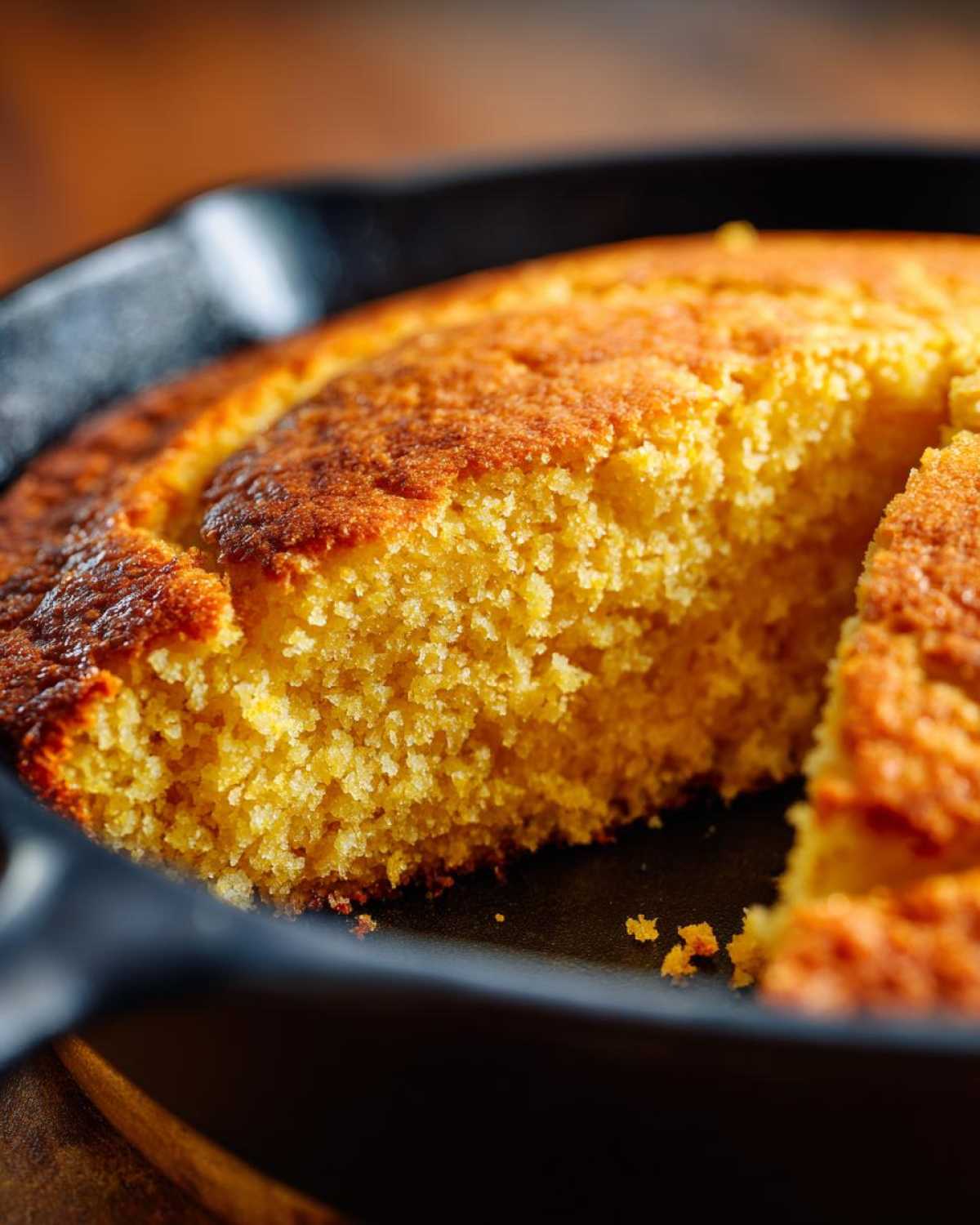
Achieving a Moist Buttermilk Cornbread Interior
Buttermilk already helps keep things tender, but the real trick is mixing the batter just until it comes together. Stop mixing when you still see a few streaks of flour, seriously! Overworking the wet and dry ingredients develops gluten, and gluten equals tough bread. We want tender, moist buttermilk cornbread that melts in your mouth, not a chewy square!
Gathering Ingredients for Classic Skillet Cornbread
Okay, now that we know *why* this works, let’s get our supplies ready for this No Sugar Cornbread Classic. Since we are aiming for that ultimate skillet cornbread, you need one specific piece of equipment ready: a 10-inch cast iron skillet. Don’t grab a flimsy 9-inch pan; we need the surface area for those amazing crusty edges! For the fat, while Jacob loves using bacon grease, if you don’t have it, melted butter works great, but it has to be hot. Remember, no sugar here—we are letting the cornmeal and buttermilk do all the talking! You can grab the full ingredient list for this authentic Southern recipe, but just make sure your eggs are large and your buttermilk is cold!
Step-by-Step Instructions for Perfect Skillet Cornbread
Alright, time to put the plan into action! Baking truly fantastic skillet cornbread requires following these exact orders. Don’t rush the heating part—that’s the most important step for getting the crust. Once the oven is hot, we move fast. We aren’t making cake here; we are making something sturdy and flavorful that pairs perfectly with smoky barbecue or a hearty bowl of soup. Just follow these steps, and you’ll have that perfect rustic bread recipe ready in about 30 minutes total!
Preheating the Cast Iron Skillet
First things first: set your oven to 425°F (220°C). While that’s warming up, slide that 10-inch cast iron skillet right onto the rack inside. We are relying on this pan to get furnace-hot. It needs a good 15 to 20 minutes in that rising heat, so get it in there early! Don’t worry about melting anything—it’s just metal, and it needs all that heat energy to create that unbelievable crunch later on.
Mixing the Skillet Cornbread Batter
While the pan heats, mix your dry ingredients together—the cornmeal, flour, baking powder, salt, and baking soda—in a nice, big bowl. In a separate bowl, whisk together your buttermilk, milk, and eggs. Now, pour the wet stuff into the dry stuff. And listen to me: stop mixing the second you don’t see any more streaks of dry flour! Seriously, a few lumps are a badge of honor in making the best skillet cornbread. Overmixing is the enemy!
Baking Your Rustic Bread Recipe
This is the moment! Carefully pull that super-hot skillet out—use two oven mitts, please! Immediately drop those two tablespoons of bacon grease (or butter) into the center. It should melt instantly and shimmer. Quick! Pour your lumpy batter right over that fat. You want to hear a loud, glorious sizzle—that’s the sound of those amazing edges forming. Pop it straight back into the oven for about 20 to 25 minutes. It’s done when the top is deeply golden and a inserted toothpick comes out clean. Let it rest for five minutes before cutting!
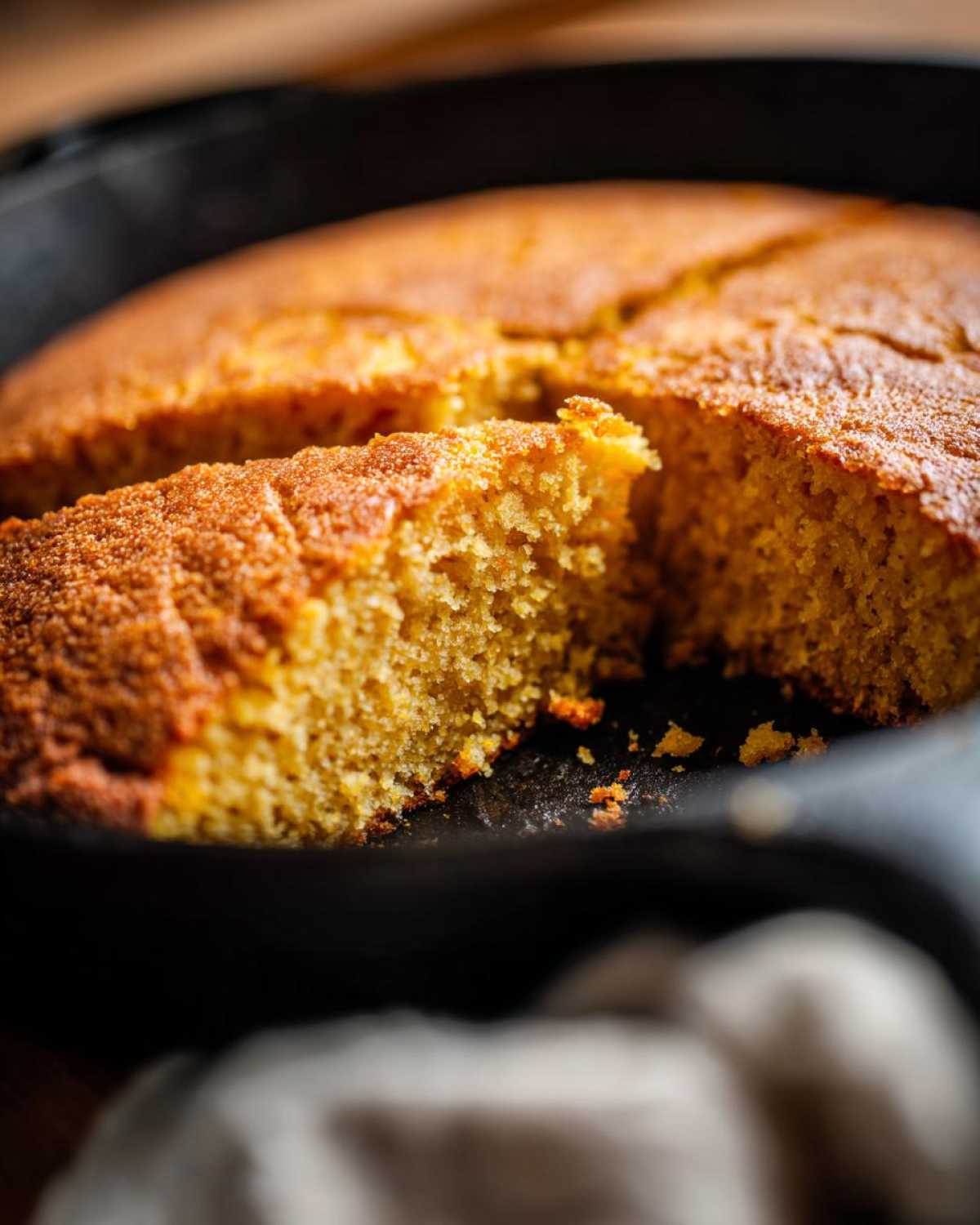
Tips for Mastering Old Fashioned Cornbread Baking
Okay, folks, Jacob taking over for a minute just to talk about the real backbone of this recipe: the fat. Amelia likes the planning, but I love the messy, intuitive cooking that makes Southern food so legendary. When we talk about skillet cornbread, we have to respect the tradition of using bacon grease. That rendered fat adds a subtle, savory depth you just can’t replicate with plain oil. It’s what makes this a true classic!
If you’re missing the grease, don’t panic! You can absolutely sub in unsalted butter, but make sure you melt it thoroughly. Whether it’s butter or grease, the key thing is ensuring that fat is ripping hot before the batter goes in. When you pour that cool batter over the hot fat, you form that instantly crisp barrier. Trust me, you can practically smell the difference. We need that heat to achieve the crispy skillet cornbread edges we bragged about. If you want more tips on handling buttermilk in your baking, check out my notes on my favorite moist buttermilk cornbread.
Serving Suggestions for Your Homemade Cornbread Recipe
Now that you’ve successfully pulled this beautiful, savory skillet cornbread from the oven, what should you serve it with? Since this is our classic, no-sugar version, it begs to be paired with something robust and comforting! This bread is absolutely the best cornbread for chili—it soaks up all those savory juices without turning overly sweet and fighting the main event.
It’s also fantastic crumbling over a big bowl of pinto beans or served alongside some smoky pulled pork. If you’re looking for a hearty companion, I highly recommend checking out Amelia’s recipe for creamy white chicken chili; the savory cornbread offsets the richness perfectly. Don’t forget a big slather of butter while it’s still piping hot!
Storage and Reheating Your Skillet Cornbread
Even the best skillet cornbread won’t last long, but if you manage to have leftovers, we need to keep that crust alive! Store any remaining bread tightly wrapped at room temperature for about two days. If you need longer storage, pop it into the freezer, wrapped well. The biggest question I always get is how to reheat it without losing that amazing texture.
Here’s my secret for bringing back those perfect crispy skillet cornbread edges: skip the microwave entirely! Pop those slices directly onto a baking sheet and warm them up in a 350°F oven or even under the broiler for just a few minutes. That dry heat will crisp up the sides again perfectly. It tastes almost as good as when it first came out of the cast iron!
Frequently Asked Questions About Skillet Cornbread
Amelia always preps a list of questions after we test a recipe, just to make sure we covered everything for you planners out there! Even though we kept this recipe firmly on the savory side, I know some people just need that touch of sweetness. And dealing with the cast iron can sometimes be intimidating if you’re new to it. Don’t worry at all; we’ve got you covered here so you can make a perfect homemade cornbread recipe every time.
Can I make this a sweet cornbread with honey?
That’s totally fair! This version is intentionally savory, leaning into that tangy buttermilk flavor classic to the South. If you’re craving sweetness, the easiest way without changing the structure too much is to add just two tablespoons of honey or brown sugar into the wet ingredients when combining them. Better yet, just bake this smoky batch as is and serve it drizzled with thick, warm honey right on top. That way, the person who wants the authentic, savory bread can skip the drizzle!
What if I don’t have bacon grease for my skillet cornbread?
This is such a common question! While bacon grease is my favorite—it adds a little savory history, honestly—it’s not essential for success. You can absolutely substitute it with an equal amount of a good unsalted butter or even vegetable oil. The critical thing isn’t *what* fat you use; it’s how hot you get it! Make sure whatever you use is smoking hot in that skillet—that sizzling reaction is what guarantees those glorious, crunchy bits around the edge of your cast iron skillet cornbread. You need high heat for that perfect crust!
Estimated Nutritional Data for Skillet Cornbread
I know Amelia loves her spreadsheets, and knowing what we are eating is part of our whole ‘project management’ approach to cooking! So, here is the estimated nutritional breakdown for one wedge of this skillet cornbread. Remember, this is an old-fashioned recipe relying on cornmeal and fat, so it’s satisfying comfort food! We’ve used the figures from our recipe details below to give you a general idea of what you’re looking at.
Since we used bacon grease in the base recipe, these numbers can shift slightly if you swap it out for butter or oil, so take these figures as a helpful starting point. As always, for all the details on how we calculate this data, you can check out our full recipe disclaimer page. It’s important to know what you’re serving!
- Serving Size: 1 wedge
- Calories: 220
- Fat: 10g (with 4g Saturated Fat)
- Carbohydrates: 30g
- Protein: 6g
- Sugar: 1g (See? Super savory!)
- Cholesterol: 55mg
Because we avoided added sugar, the sugar count is impressively low for a baked good, making this an excellent side dish for savory meals like chili or greens.
Share Your Skillet Cornbread Success
Wow, if you made it this far and followed all those steps—especially getting that sizzling fat perfectly hot—then you deserve a huge pat on the back! Making bread from scratch, especially a quintessential piece like skillet cornbread, feels like a major accomplishment. Now, the project is technically complete, but the real fun is sharing the results!
I would absolutely love to hear how this homemade cornbread recipe turned out for you. Did you nail those crispy edges? Did Jacob end up sneaking a slice before it even cooled down? Please do me a favor: hop down to the comments section below and leave a rating for us. Five stars if it blew your expectations out of the water! We rely on your feedback to keep curating the best portfolio of recipes possible.
Also, tell us your favorite way to eat it! Are you pouring it over chili, or are you crumbling it over collard greens? If you tried a cool variation, like maybe adding cheddar (though this is our classic savory version!), share that too! We are always tweaking and learning, and seeing your successes inspires our next kitchen project. Check out all our other finished collections over at our main blog page for more ideas. Happy baking, friends!
PrintAuthentic Southern Cast Iron Skillet Cornbread (No Sugar Added)
You will bake a classic Southern cornbread in a cast iron skillet. This recipe focuses on achieving crispy, golden edges and a moist, savory interior without adding sugar. It is a quick side dish perfect for chili or beans.
- Prep Time: 10 min
- Cook Time: 25 min
- Total Time: 35 min
- Yield: 8 servings
- Category: Side Dish
- Method: Baking
- Cuisine: Southern American
- Diet: Vegetarian
Ingredients
- 1 cup yellow cornmeal
- 1 cup all-purpose flour
- 1 tablespoon baking powder
- 1 teaspoon salt
- 1/2 teaspoon baking soda
- 1 cup buttermilk
- 1/2 cup milk
- 2 large eggs
- 1/4 cup bacon grease, melted (or unsalted butter)
- 2 tablespoons bacon grease (for heating the skillet)
Instructions
- Preheat your oven to 425°F (220°C). Place your 10-inch cast iron skillet inside the oven while it preheats.
- In a large bowl, whisk together the cornmeal, flour, baking powder, salt, and baking soda.
- In a separate medium bowl, whisk together the buttermilk, milk, and eggs until combined.
- Pour the wet ingredients into the dry ingredients. Mix them just until they are combined; do not overmix the batter.
- Carefully remove the hot skillet from the oven. Add the 2 tablespoons of bacon grease to the hot skillet, swirling it around to coat the bottom and sides completely. The grease should melt immediately.
- Pour the cornbread batter directly into the hot, greased skillet. You should hear a sizzle.
- Return the skillet to the oven and bake for 20 to 25 minutes, or until the top is golden brown and a toothpick inserted into the center comes out clean.
- Let the cornbread cool in the skillet for about 5 minutes before slicing and serving warm.
Notes
- Heating the skillet and the fat until it is very hot before adding the batter is the key to getting those irresistible crispy skillet cornbread edges.
- If you do not have bacon grease, you can substitute it with an equal amount of unsalted butter or vegetable oil.
- This recipe makes a savory cornbread that pairs well with chili or barbecue.
Nutrition
- Serving Size: 1 wedge
- Calories: 220
- Sugar: 1
- Sodium: 350
- Fat: 10
- Saturated Fat: 4
- Unsaturated Fat: 6
- Trans Fat: 0
- Carbohydrates: 30
- Fiber: 2
- Protein: 6
- Cholesterol: 55