

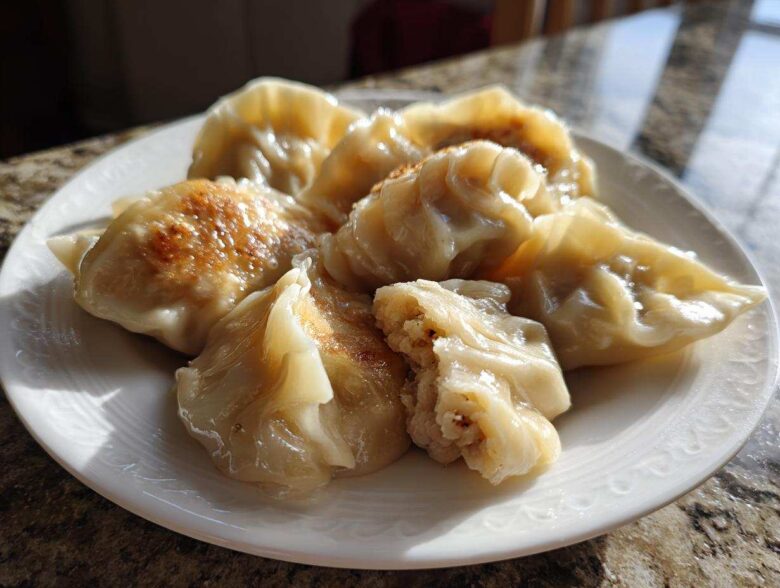
Oh, my friend, there is nothing—and I mean NOTHING—that beats the feeling of pulling a steaming basket of perfect, plump, homemade dumplings out of the pot! Forget those sad little freezer packets; we are making real, honest-to-goodness Traditional Chinese Dumplings today, right down to the wrappers.
This isn’t just a recipe; it’s an event. Every year when Lunar New Year rolls around, my entire kitchen smells like ginger and soy sauce because we make hundreds of these pork and cabbage beauties together. It takes a little time, sure, but trust me, the savory, juicy filling wrapped in that tender, scratch-made casing is worth every single minute of your effort.
We are making the classic pork and cabbage filling from scratch, and I’m going to show you exactly how to get those wrappers thin and strong so they don’t tear when you boil them. I’ve got all the secrets so you can make these perfect Lunar New Year dumplings or just a fantastic weeknight dinner!
Why You Will Master These Traditional Chinese Dumplings
I know rolling your own wrappers sounds intimidating, but hear me out! This whole process, from mixing the dough to eating the final product, is incredibly satisfying. You’ll wonder why you ever bought them pre-made!
- These aren’t just decent dumplings; they are truly authentic jiaozi that taste exactly like they should.
- We make the wrappers entirely from scratch, and I promise, the texture of homemade dumpling wrappers is unbelievably superior!
- You get to feel like a culinary genius when you realize how easily these freeze—they are freezer friendly dumplings for busy weeks ahead.
- Perfect centerpiece food for any big family meal or for celebrating the Lunar New Year!
Once you nail the basic wrapper technique, you’ll be churning these out like a pro. Trust me on this one; you’ve totally got this!
Essential Ingredients for Authentic Traditional Chinese Dumplings
The secret to making incredible Traditional Chinese Dumplings is keeping the ingredient list simple but respecting the prep work. If you use fresh, good-quality items, the flavor just sings, even without a million complicated spices!
We need two separate sets of things: the simple dough and the flavor-packed filling. Don’t worry about complicated spices; we rely on the fresh ginger and savory sauces to do the heavy lifting.
For the Dough (Making Your Own Dumpling Wrappers)
This part is so basic, you’ll wonder why you ever bought them! You just need two things for the wrappers:
- 2 cups all-purpose flour
- 2/3 cup warm water
For the Pork Cabbage Dumplings Filling
This ratios here are what give you that classic savory bite. Make sure your cabbage is broken down finely so it distributes evenly in the pocket.
- 1 pound ground pork (I like about 80/20 fat ratio here for juiciness!)
- 3 cups finely chopped Napa cabbage
- 1/4 cup chopped scallions
- 2 tablespoons soy sauce
- 1 tablespoon sesame oil
- 1 teaspoon grated fresh ginger (Please grate it fresh—it makes a difference!)
- 1/2 teaspoon salt
- 1/4 teaspoon white pepper
Expert Tip for Texture: When you mix the filling, especially the ground pork, you absolutely must stir it vigorously in one direction until it gets uniformly sticky. That stickiness is what binds the filling together inside the steamed or boiled Chinese dumplings so it doesn’t just crumble out when you take a bite. If you want it extra juicy, stir in just 1 tablespoon of ice-cold water while you mix!
Once you’ve got everything measured out, you can check out how I handle crispy shells in my other dumpling adventures, but for these boiled ones, focus on keeping that filling nice and cohesive!
Step-by-Step Guide to Making Traditional Chinese Dumplings
Okay, this is where the real action happens! We break this down into three easy parts: Dough, Filling, and the fun part—Assembly and Cooking. Don’t rush the dough rest, though; that’s the secret to wrappers that handle beautifully without tearing!
Preparing the Dough for Homemade Dumpling Wrappers
First things first, we build the foundation for our homemade dumpling wrappers. Grab your flour and your warm water. Mix them together in a bowl until you get a shaggy mess—it shouldn’t look pretty yet!
Dump that messy dough onto your counter and get to work. Knead it for a good 8 to 10 minutes. You want it to transform from lumpy to beautifully smooth. Seriously work those muscles! Once it’s smooth, wrap it up tight in plastic wrap or put it under a clean bowl and let it rest for 30 minutes. This rest period is non-negotiable; it lets the gluten chill out so it rolls thin without snapping back at you. It’s just like letting pizza dough relax, you know?
Mixing the Savory Pork Cabbage Dumplings Filling
While the dough is resting, let’s make the guts of our delicious dumplings. Get a large bowl. Toss in your ground pork, your finely chopped Napa cabbage, the scallions, fresh ginger, salt, white pepper, soy sauce, and sesame oil. Remember that trick I mentioned earlier? Now’s the time to mix it all together really, really well until it looks unified and starts getting super sticky. That stickiness locks in all the flavor and moisture. If you’re adding that extra bit of cold water for extra juiciness, stir it in now until fully absorbed.
Rolling, Folding, and Cooking Your Traditional Chinese Dumplings
Time to roll! Divide that rested dough into four nice, even sections. Roll each section into a long rope, about an inch thick, and then cut those ropes into little coin-sized pieces, half an inch thick. Flatten each coin with your palm. Now, using a small rolling pin, roll each piece into a thin circle—about 3 inches wide. Pro Tip: roll slightly harder on the edges so they are thinner than the center; this makes sealing easier!
Place about one teaspoon of filling in the center. Dab a little water around the edge, fold it over into a half-moon, and start pleating tight. Once sealed, bring a huge pot of water to a rolling boil. Gently drop your dumplings in, giving them a gentle stir right away so they don’t glue themselves to the bottom. You’ll know they are ready when they float up! Let them boil for 3 to 5 minutes after they float to make sure the pork inside is cooked perfectly. Scoop them out with a slotted spoon and get ready to eat!
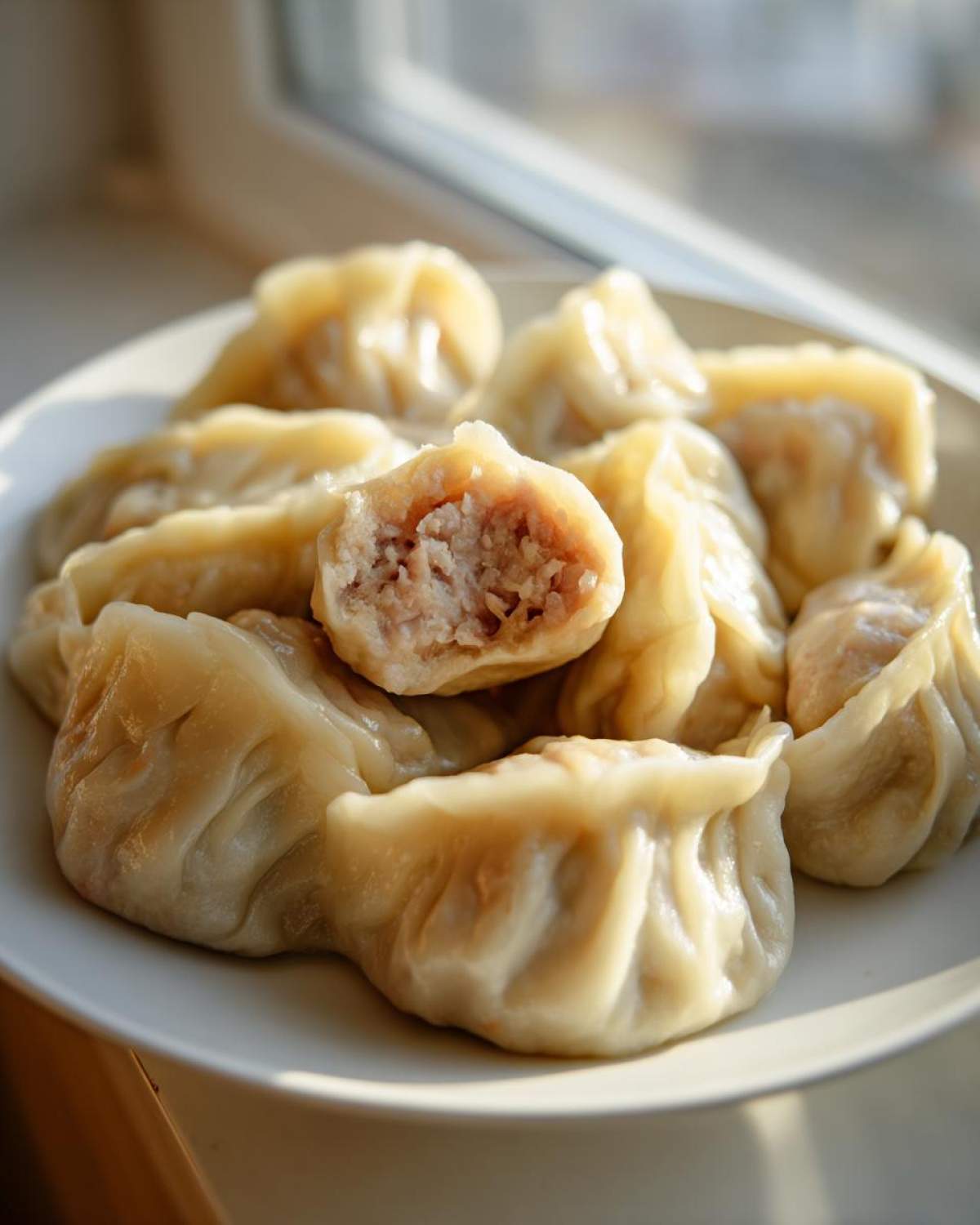
If you want to see how I handle dough for my other favorite dough recipes, you can check that out, but for these Traditional Chinese Dumplings, follow these steps exactly and you won’t be disappointed!
Tips for Perfect Traditional Chinese Dumplings Every Time
Even with the best recipe, sometimes things go a little sideways, right? Don’t panic! I’ve made enough batches of these Traditional Chinese Dumplings to know what to do when a wrapper splits or the pot gets sticky. These little fixes are things I learned the hard way so you don’t have to!
The biggest thing to watch out for is dryness in the dough or the filling. If you notice your filling seems a little too firm—maybe you didn’t use enough cabbage or skipped that extra splash of water—it’s going to cook up denser than you want. Remember that cold water trick for the pork filling? If you haven’t added it yet, do it now! That helps keep the meat tender and juicy when you boil them.
If your wrappers are tearing when you fold them, it usually means two things: either you didn’t knead the dough long enough so the gluten isn’t relaxed, or you rolled the edges too thin. If the edges are paper-thin, they don’t have enough structure to seal. Try to keep a slightly thicker circle in the very center where the filling sits, and then feather the dough out to the edges.
Now, about sticking when boiling—this is crucial! You have to stir them immediately when you drop them in the water. They love to sit on the bottom and bond to the metal before they start cooking. Gentle stirring for the first minute or so prevents that nasty sticking. Once they start poaching and floating, they usually don’t stick anymore.
If you’re having trouble with the pleating and sealing, don’t worry about perfect little crescent moons right away. Just make sure that edge seal is super tight! You can even press a fork around the edge if you can’t manage the little crimps. A tight seal ensures that you save all that awesome, savory juice inside for the final bite. You can always drown them in a ridiculously good dipping sauce later, which you can learn how to whip up with my garlic butter ideas when you need a flavor boost!
Make Ahead and Freezer Friendly Dumplings Instructions
This is one of my favorite things about making Traditional Chinese Dumplings—once you go through all that work of rolling and folding, you absolutely should be making a massive batch!
The best news is that these freeze unbelievably well. They are seriously excellent straight from the freezer, and honestly, sometimes they taste even better because the filling has had extra time to meld together. If you’re planning for a big meal like the Lunar New Year, this step saves your sanity!
Here is the only way I’ll ever freeze them to ensure they don’t turn into one giant, clumped-up dumpling brick. This works perfectly for our pork cabbage dumplings recipe.
First, you have to make sure they are totally uncooked. We are freezing them raw! Line a couple of rimmed baking sheets—you know, the ones you use for cookies—with parchment paper. Do not skip the parchment! If you skip it, they will stick forever, and you’ll be scraping dough bits off your pan for an hour.
Arrange the freshly folded, sealed dumplings on the lined sheet. The most important rule here is that they cannot touch each other! Give them space. They need to freeze as individuals first. Pop the whole tray into the freezer, wide open, for about two to three hours, or until they are rock solid. Seriously, test one; it should feel like a little frozen stone.
Once they are frozen solid, you can carefully transfer them all into heavy-duty freezer bags or airtight containers. They are now ready to live in the freezer for months. To keep track, I always label the bag with what’s inside and the date I made them. If you need a refresher on making other things freezer friendly, check out how I handle those meatloaf muffins!
Cooking Boiled Chinese Dumplings Straight From Frozen
Cooking from frozen is easy, but you need to adjust the time just a little bit. Don’t thaw them on the counter; just drop them directly into that rolling, boiling water just like you did with the fresh ones.
Start stirring them gently right away, just like before, to stop sticking. They will take a little longer to come back up to temperature. Once you see them floating to the surface—which usually takes a minute longer than the fresh batch—you then need to keep boiling them for an extra 4 or 5 minutes after they float. This ensures that the center of the filling gets hot all the way through. They come out tasting fantastic, and you’ve saved yourself hours of work later!
Serving Suggestions for Boiled Chinese Dumplings
You’ve done the work, the dumplings have floated, and now they’re draining on a platter. They taste great just plain, but honestly, a good dipping sauce is the cherry on top of these amazing boiled Chinese dumplings!
I like keeping it super authentic and simple. The best sauce combination is usually a base of good quality soy sauce mixed with a splash of Chinese black vinegar—that vinegar has a malty tang that cuts right through the pork richness. Don’t forget the heat! A drizzle of chili oil is non-negotiable in my house.
Sometimes I’ll add a tiny bit of grated ginger or some extra chopped scallions right into the sauce bowl. If you want to get really fancy, you can jazz up a simple dipping sauce with some of the flavor profiles from my other favorite pantry sauces, but trust me, simple is often pure bliss here!
Frequently Asked Questions About Traditional Chinese Dumplings
I get so many questions about these dumplings, which just proves how popular making authentic jiaozi is! Here are the things people ask me most often when they try this recipe for the first time. I hope these little clarifications help you out! If you want to learn more about my process, check out the About Us page!
Can I use store-bought wrappers instead of homemade dumpling wrappers?
Oh, you absolutely *can* swap in store-bought wrappers if you are really pressed for time, and you’ll still get a decent dumpling. But if you are aiming for that truly transcendent, authentic bite—the kind that really makes these Traditional Chinese Dumplings worth writing home about—you really need to try the homemade dough at least once. Homemade wrappers have a better chew and hold up to boiling better than most pre-made sheets. They are part of what makes the whole experience authentic!
What is the best way to reheat leftover Chinese dumplings recipe portions?
Leftovers! That’s a great problem to have! If you have extra boiled Chinese dumplings, please, please do not just throw them back into boiling water. They get soggy and sad really fast. If you are lucky enough to have a little leftover meat filling, that’s a different story, but for the cooked dumplings, you have two fantastic options.
My favorite way is to pan-fry them the next day. You throw them into a lightly oiled, non-stick skillet, let the bottoms get nice and crispy—like a potsticker—and then add just a tablespoon of water and quickly cover the pan to steam them through. Steaming is the second-best option; just arrange them in a steamer basket over simmering water until they are hot all the way through. Either way works great to revive them!
How do I ensure my pork cabbage dumplings stay juicy?
This is the million-dollar question for any ground meat filling! It all comes down to how you mix that filling bowl. If your pork cabbage dumplings come out dry, it means you didn’t mix the meat long enough when you added the seasonings. You have to beat that pork/cabbage mix until it starts turning into a uniform paste and feels sticky, almost like glue.
If you followed my advice and added that extra tablespoon of ice-cold water while mixing, that moisture is locked in. That cold water gets trapped by the proteins as they cook, creating steam pockets inside the dumpling. So, go back and mix that filling until it feels stiff and sticky—that’s your juiciness guarantee!
Nutritional Estimate for Traditional Chinese Dumplings
Alright, let’s talk numbers for a second. I’m a cook, not a nutritionist, but I know a lot of you want to track what you’re eating—especially when we’re making something hearty like these incredible Traditional Chinese Dumplings.
Based on the recipe proportions for the filling and the wrapper flour, here is what five dumplings (one serving size) typically shakes out to look like. Remember, this is just an estimate!
- Serving Size: 5 dumplings
- Calories: 250
- Fat: 12g (with 4g saturated)
- Carbohydrates: 22g
- Protein: 15g
- Sodium: 450mg
- Sugar: 2g
Take those numbers with a grain of salt, okay? If you use leaner pork or skip the salt a bit, your sodium count will drop. If you whip up a completely different dipping sauce—maybe a peanut sauce instead of vinegar—that will change things too! For the full breakdown, every conscientious baker should check out the official guidelines on my site disclaimer page.
But honestly, when you’re eating something this delicious and made completely by your own two hands, you just gotta enjoy it! They are worth every single calorie!
Share Your Traditional Chinese Dumplings Experience
Whew! That’s it! You’ve done it! You have successfully navigated the world of scratch-made dough and perfected savory pork cabbage dumplings. Now what? Well, the best part of home cooking is knowing someone else is out there enjoying your hard work, too!
I absolutely love hearing from you guys. Did your pleats look like little crimped masterpieces, or did you end up with a few adorable, albeit sealed, little lumps? Both are delicious, so don’t be shy! Drop a comment down below and let me know how your batch of Traditional Chinese Dumplings turned out.
Seriously, if you managed to get those wrappers perfectly thin and sealed those edges tight, you need to brag about it! Snap a picture of those beautiful things boiling or sitting on your serving platter and share it on social media. Make sure to tag me so I can see your gorgeous work!
If you have any last-minute questions about adjusting the filling or if you found a dipping sauce that you think everyone needs to try, please let me know in the comments section. I’m always looking to try new things, even after all these years of making authentic jiaozi!
If you need to get in touch about anything else, maybe a suggestion for the next big family recipe we tackle together, you can always find me over on the contact page. Happy dumpling folding, my friends!
PrintTraditional Chinese Pork and Cabbage Dumplings (Jiaozi)
Make authentic Chinese dumplings from scratch with a savory pork and cabbage filling and homemade wrappers. This recipe includes instructions for boiling and freezing.
- Prep Time: 45 min
- Cook Time: 15 min
- Total Time: 60 min
- Yield: About 40 dumplings
- Category: Main Course
- Method: Boiling
- Cuisine: Chinese
- Diet: Low Lactose
Ingredients
- 2 cups all-purpose flour
- 2/3 cup warm water
- 1 pound ground pork
- 3 cups finely chopped Napa cabbage
- 1/4 cup chopped scallions
- 2 tablespoons soy sauce
- 1 tablespoon sesame oil
- 1 teaspoon grated fresh ginger
- 1/2 teaspoon salt
- 1/4 teaspoon white pepper
Instructions
- Make the dough: Combine flour and warm water in a bowl. Mix until a shaggy dough forms, then knead on a lightly floured surface for 8 to 10 minutes until smooth. Cover the dough and let it rest for 30 minutes.
- Prepare the filling: In a large bowl, combine ground pork, chopped cabbage, scallions, soy sauce, sesame oil, ginger, salt, and white pepper. Mix thoroughly until the mixture is uniform and slightly sticky.
- Roll the wrappers: Divide the rested dough into four equal pieces. Roll each piece into a long rope about 1 inch thick. Cut the rope into 1/2-inch pieces. Flatten each piece with your palm, then use a small rolling pin to roll it into a thin circle, about 3 inches in diameter, keeping the edges slightly thinner than the center.
- Assemble the dumplings: Place about 1 teaspoon of filling in the center of a wrapper. Moisten the edges with water. Fold the wrapper in half over the filling to create a half-moon shape. Crimp and pleat the edges to seal them tightly.
- Cook the dumplings: Bring a large pot of water to a rolling boil. Gently drop the dumplings into the boiling water, stirring gently so they do not stick to the bottom.
- Boil until the dumplings float to the surface. Continue to boil for 3 to 5 minutes after they float, or until the filling is cooked through.
- Remove the cooked dumplings with a slotted spoon.
Notes
- For freezing: Place uncooked dumplings on a baking sheet lined with parchment paper, ensuring they do not touch. Freeze until solid, then transfer to a freezer bag. Cook directly from frozen, adding a few extra minutes to the boiling time.
- To make the filling juicier, you can add 1 tablespoon of cold water to the pork mixture while stirring.
- Serve immediately with your preferred dipping sauce.
Nutrition
- Serving Size: 5 dumplings
- Calories: 250
- Sugar: 2
- Sodium: 450
- Fat: 12
- Saturated Fat: 4
- Unsaturated Fat: 8
- Trans Fat: 0
- Carbohydrates: 22
- Fiber: 1
- Protein: 15
- Cholesterol: 50