

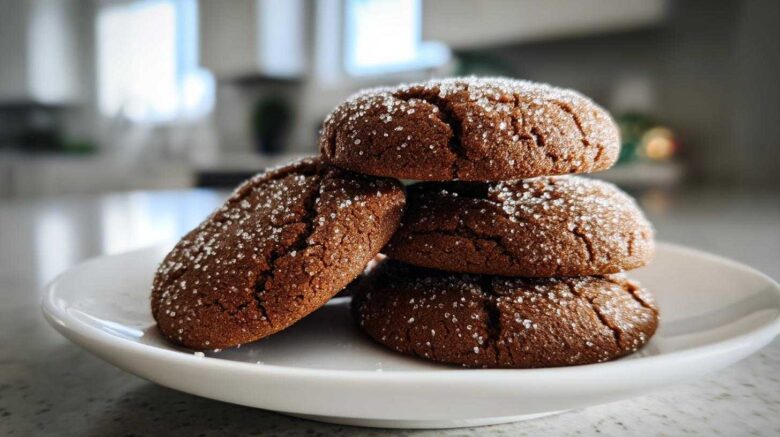
The Secret to Perfect Soft Gingerbread Cookies
You know that feeling? The holidays smell like spice.
But too often, gingerbread turns out like a spiced cracker. Not here, friend.
I spent months planning the perfect formula. Jacob brought the quiet magic.
We needed cookies that were wonderfully soft gingerbread cookies.
They must be chewy, thick, and full of deep molasses flavor.
This recipe is the absolute blueprint for that tender result.
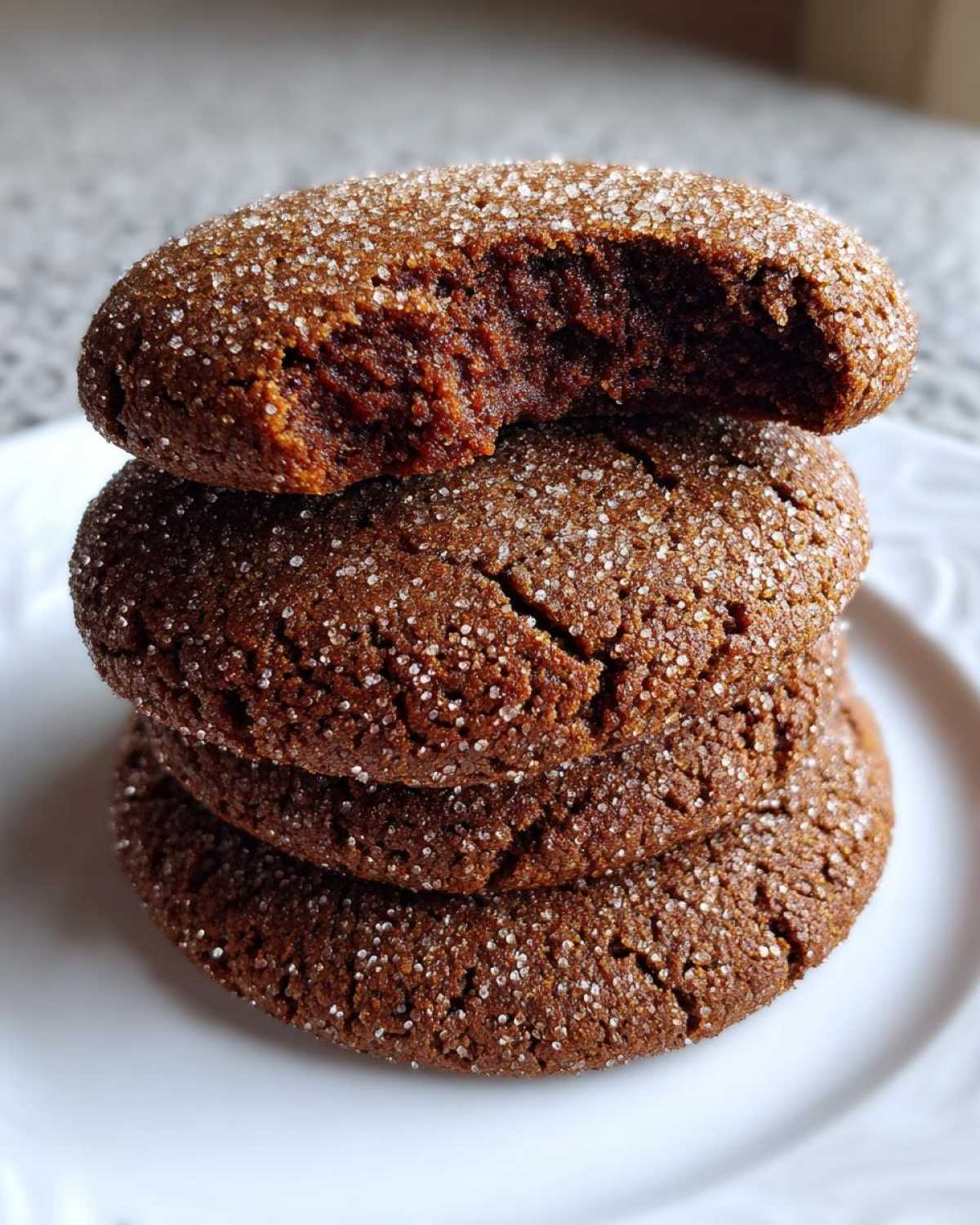
Why This Recipe Makes the Best soft gingerbread cookies
We aren’t settling for cardboard cutouts here.
My research showed people want tender, thick texture.
These aren’t cakey or brittle at all.
They hold their shape beautifully for decorating.
This dough delivers that bakery-style quality you crave.
Here is why this approach wins every time:
- Guaranteed chewy texture, not dry or crumbly.
- Perfectly thick centers stay wonderfully soft after cooling.
- Excellent cut-out suitability for holiday shapes.
- Deep, warm spice profile from quality ingredients.
Jacob always says the texture is like velvet.
It took planning, but we nailed the perfect soft gingerbread cookies.
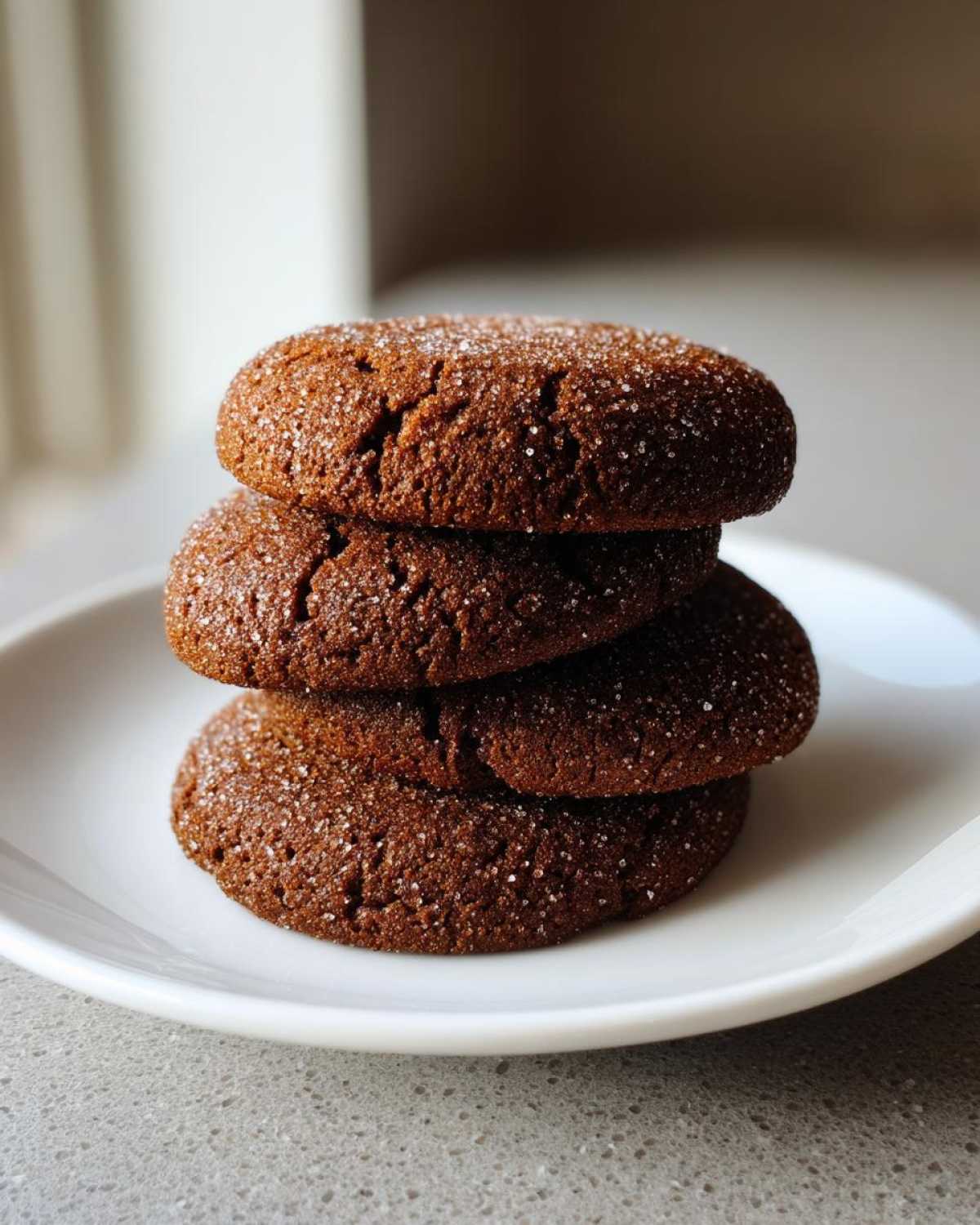
Quick Facts About Your Soft Gingerbread Cookies
Knowing the timing helps my planning style.
This recipe is a manageable project.
- Prep Time: 30 minutes
- Cook Time: 10 minutes
- Total Time: 2 hours 40 minutes (Chilling is key!)
- Yield: About 24 cookies
- Category: Dessert
Essential Ingredients for Soft Gingerbread Cookies
Gathering your components is the first big step.
We need the right balance of fat and spice.
This list creates deep flavor, not just sweetness.
The molasses really makes these soft gingerbread cookies shine.
It adds color, moisture, and that signature bite.
Do not skip measuring anything precisely here.
Ingredient Notes and Substitutions
A few ingredient details make all the difference.
Please grab regular molasses, not the harsh blackstrap kind.
Blackstrap molasses is bitter and too strong for this.
When measuring flour, spoon it lightly into your cup.
Then level it off; scooping packs it too tight.
This dough really needs that long chill time.
Chilling firms up the butter and sugar structure.
It stops the cookies from looking like melted puddles.
Proper chilling keeps them thick and wonderfully soft.
Equipment Needed for Your Soft Gingerbread Cookies
Even a great recipe needs the right tools.
My planning phase always includes a tool check.
We don’t need fancy gadgets for these cookies.
Just the basics will get us to that perfect texture.
Here is what you should pull out of your cabinets:
- Two mixing bowls, one large, one medium.
- Electric mixer for creaming the butter and sugar.
- Rubber spatula for scraping down the sides.
- Rolling pin for even dough thickness.
- Your favorite cookie cutters for shapes.
- Baking sheets lined with parchment paper.
Parchment paper is non-negotiable for easy release.
It helps keep the bottoms from getting too crisp.
A good, sharp rolling pin helps keep things level.
We want those uniform edges for even baking.
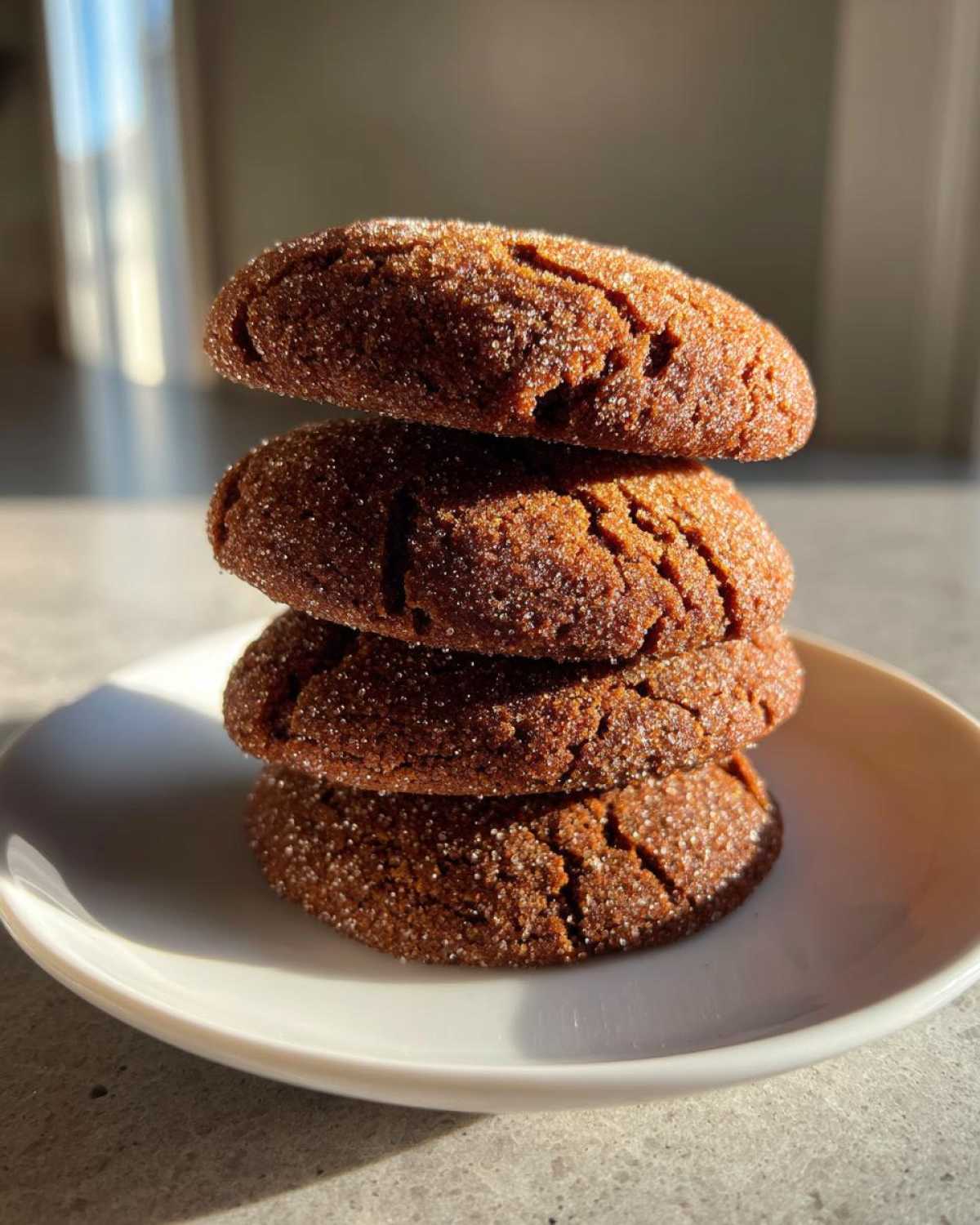
Step-by-Step Instructions for Soft Gingerbread Cookies
Ready to move from planning to creating?
This process is straightforward, but precision matters.
Follow these steps closely for the best outcome.
We are building structure for amazing soft gingerbread cookies.
Don’t rush the chilling phase; it’s our secret weapon.
Mixing the Dough and Essential Chilling Time
First, grab your medium bowl.
Whisk the flour, soda, ginger, cinnamon, and salt.
Set that dry mix aside for just a moment.
Now, cream the butter and both sugars well.
You want it light and fluffy, like a soft cloud.
Beat in the molasses, then the egg, then vanilla.
Mix until everything is just barely combined.
Next, add the dry ingredients slowly.
Mix on low speed until a soft dough forms.
Listen closely: Do not overmix the dough now.
Overmixing develops gluten, making cookies tough.
We want tender, not chewy-in-a-bad-way texture.
Divide the dough into two flat discs.
Wrap them up tight in plastic wrap.
Chill them for at least two hours minimum.
Two days in the fridge works even better sometimes.
Rolling, Cutting, and Baking Your Soft Gingerbread Cookies
Preheat your oven to 350 degrees Fahrenheit.
Line your baking sheets with parchment paper first.
Flour your clean work surface lightly.
Roll out one chilled dough disc.
Aim for about a quarter-inch thickness.
Thicker dough means a softer, puffier cookie.
Use your cutters to press out your favorite shapes.
Place them an inch apart on the prepared sheets.
Bake these beauties for eight to ten minutes.
For that perfect soft center, watch the edges.
The edges should just start to look set.
Slightly underbaking keeps them tender inside.
Let them rest on the hot pan for five minutes.
This sets the bottom without drying them out.
Then, move them to a wire rack to cool fully.
Resist decorating until they are completely cool.
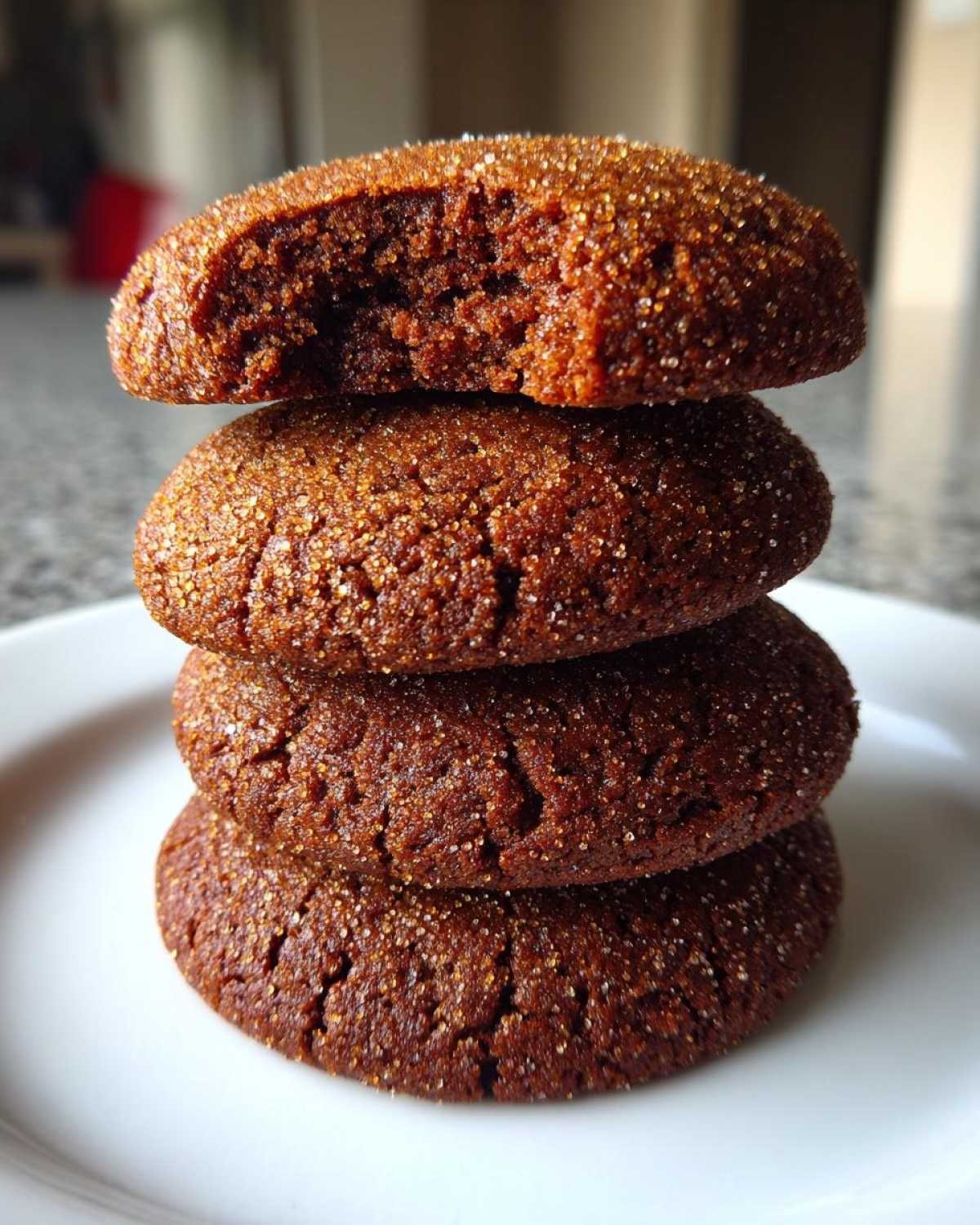
Pro Tips for Perfectly Soft Gingerbread Cookies
Jacob and I learned these secrets through trial and error.
My planning spreadsheets didn’t cover everything!
These tips help guarantee bakery-quality results.
They keep your final batch of soft gingerbread cookies tender.
Follow these small adjustments for big flavor impact.
- Keep your dough cold during the entire process.
- Roll the dough slightly thicker than you think.
- Do not use blackstrap molasses for this recipe.
- Spoon and level your flour measurement always.
These small details prevent tough, dry cookies.
We want that satisfying, soft bite every time.
Common Questions About Making Soft Gingerbread Cookies
I know you have questions, I certainly did.
Baking is science mixed with a little kitchen magic.
Let’s clear up any confusion about these cookies.
We want your soft gingerbread cookies to be perfect.
These answers cover texture and shaping issues.
Ask us anything else in the comments below!
How do I prevent my soft gingerbread cookies from spreading?
Spreading is the enemy of a good cut-out shape.
The number one defense is chilling the dough well.
Two hours is the minimum time needed here.
Cold fat melts slower in the oven, preventing spread.
Also, roll your dough slightly thicker than you think.
Aiming for 1/4 inch or even 3/8 inch works best.
Can I use baking time to control the texture of my soft gingerbread cookies?
Absolutely, baking time is your final texture control.
This is key for achieving those truly chewy gingerbread results.
You want to pull them out when the edges just set.
The centers should still look slightly underdone.
They firm up significantly on the hot baking sheet.
This prevents a dry, overly crisp final cookie.
Storing and Reheating Your Soft Gingerbread Cookies
Once these lovely soft gingerbread cookies cool down,
the next big question is keeping them fresh.
We want that tenderness to last for days.
They are too good to disappear quickly, right?
Proper storage is simple, but very important.
Keep your cooled cookies in an airtight container.
Layer them with parchment paper between rows.
This stops them from sticking together, which is annoying.
They stay wonderfully soft at room temperature.
They should last a good week this way for snacking.
If you need them even softer later on,
try adding half a slice of white bread to the container.
The cookie absorbs a little moisture from the bread.
It’s an old trick that really works wonders.
It keeps the gingerbread flavor strong and the texture tender.
Reheating is fast if they dry out too much.
Pop one or two on a microwave-safe plate.
Heat them for just five to ten seconds max.
They warm up fast and feel freshly baked again.
Enjoy your perfect batch of soft gingerbread cookies!
Estimated Nutritional Data for Your Soft Gingerbread Cookies
I always research the details for my planning phase.
Understanding the nutrition helps round out the project.
Remember these numbers are just estimates for our soft gingerbread cookies.
They are based on the ingredients listed above.
Actual values might shift slightly based on your brands.
Here is the general breakdown per single cookie serving:
- Calories: 150
- Fat: 7g
- Carbohydrates: 20g
- Protein: 2g
We focused more on flavor than counting every gram.
But it’s good to know the general profile.
These are a rich, comforting holiday treat.
A Note from Amelia & Jacob
Well, that concludes the blueprint for baking.
Now comes the fun, testing part for you!
Jacob and I love seeing your finished projects.
Did this foolproof plan work for your kitchen?
Tell us how your soft gingerbread cookies turned out.
Share your decorating successes in the comments below.
We read every story about your family’s baking moments.
Happy cooking from our portfolio to yours!
Print5 Simple Secrets to Soft Gingerbread Cookies

These are the ultimate soft and chewy cut-out gingerbread cookies. We focus on a recipe that yields thick, tender cookies with a classic, warm spice flavor perfect for holiday baking and gifting.
- Prep Time: 30 minutes
- Cook Time: 10 minutes
- Total Time: 2 hours 40 minutes (includes chilling)
- Yield: 24 cookies
- Category: Dessert
- Method: Baking
- Cuisine: American
- Diet: Vegetarian
Ingredients
- All-purpose flour: 3 cups
- Baking soda: 1 teaspoon
- Ground ginger: 2 teaspoons
- Ground cinnamon: 1 teaspoon
- Ground cloves: 1/2 teaspoon
- Salt: 1/2 teaspoon
- Unsalted butter, softened: 1/2 cup (1 stick)
- Brown sugar, packed: 1/2 cup
- Granulated sugar: 1/4 cup
- Molasses (not blackstrap): 1/2 cup
- Egg: 1 large
- Vanilla extract: 1 teaspoon
Instructions
- Whisk together flour, baking soda, ginger, cinnamon, cloves, and salt in a medium bowl. Set aside.
- In a large bowl, cream the softened butter, brown sugar, and granulated sugar until light and fluffy.
- Beat in the molasses and egg until just combined. Mix in the vanilla extract.
- Gradually add the dry ingredients to the wet ingredients, mixing on low speed until a soft dough forms.
- Divide the dough in half. Flatten each half into a disc, wrap tightly in plastic wrap, and chill for at least 2 hours, or up to 2 days. Chilling is essential for soft, non-spreading cookies.
- Preheat your oven to 350°F (175°C). Line baking sheets with parchment paper.
- On a lightly floured surface, roll out one disc of dough to about 1/4-inch thickness. Use cookie cutters to cut shapes.
- Place shapes onto the prepared baking sheets, spacing them about 1 inch apart.
- Bake for 8 to 10 minutes. For softer cookies, err on the side of underbaking slightly. The edges should just begin to set.
- Let the cookies cool on the baking sheet for 5 minutes before transferring them to a wire rack to cool completely.
- Decorate or store once fully cooled.
Notes
- Do not overmix the dough once the flour is added; this develops gluten and leads to tough cookies.
- Chilling the dough thoroughly prevents the cookies from spreading too much during baking.
- For an extra soft center, roll the dough slightly thicker, closer to 3/8 inch.
- Use good quality molasses for the best authentic gingerbread flavor.
Nutrition
- Serving Size: 1 cookie
- Calories: 150
- Sugar: 15g
- Sodium: 120mg
- Fat: 7g
- Saturated Fat: 4g
- Unsaturated Fat: 3g
- Trans Fat: 0g
- Carbohydrates: 20g
- Fiber: 0.5g
- Protein: 2g
- Cholesterol: 30mg