

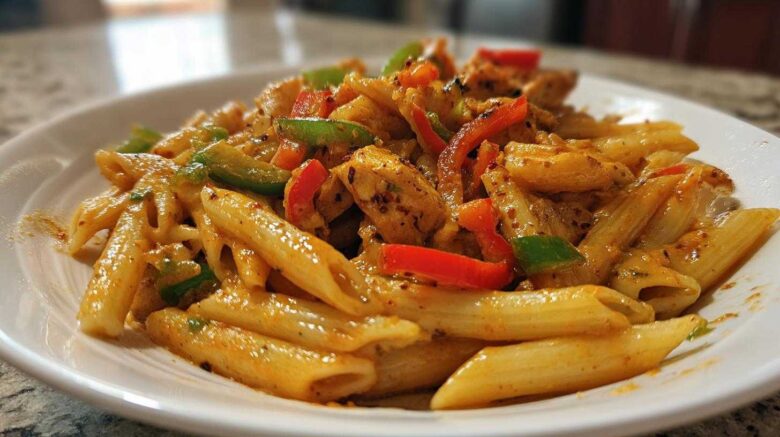
The Ultimate Guide to Flavorful Rasta Pasta
I remember the first time Jacob made this dish. The kitchen filled with smoke! Not bad smoke, but that warm, spicy cloud from good jerk seasoning. It was our first real taste of authentic Jamaican flavor at home. If you want a quick, creamy weeknight meal, learning to make this rasta pasta is a game-changer. It hits all the right notes.
This recipe is a perfect example of Amelia’s planning meeting Jacob’s cooking intuition. We took a classic Caribbean comfort food and made it ours. It’s fast, packed with color, and honestly, addictive.
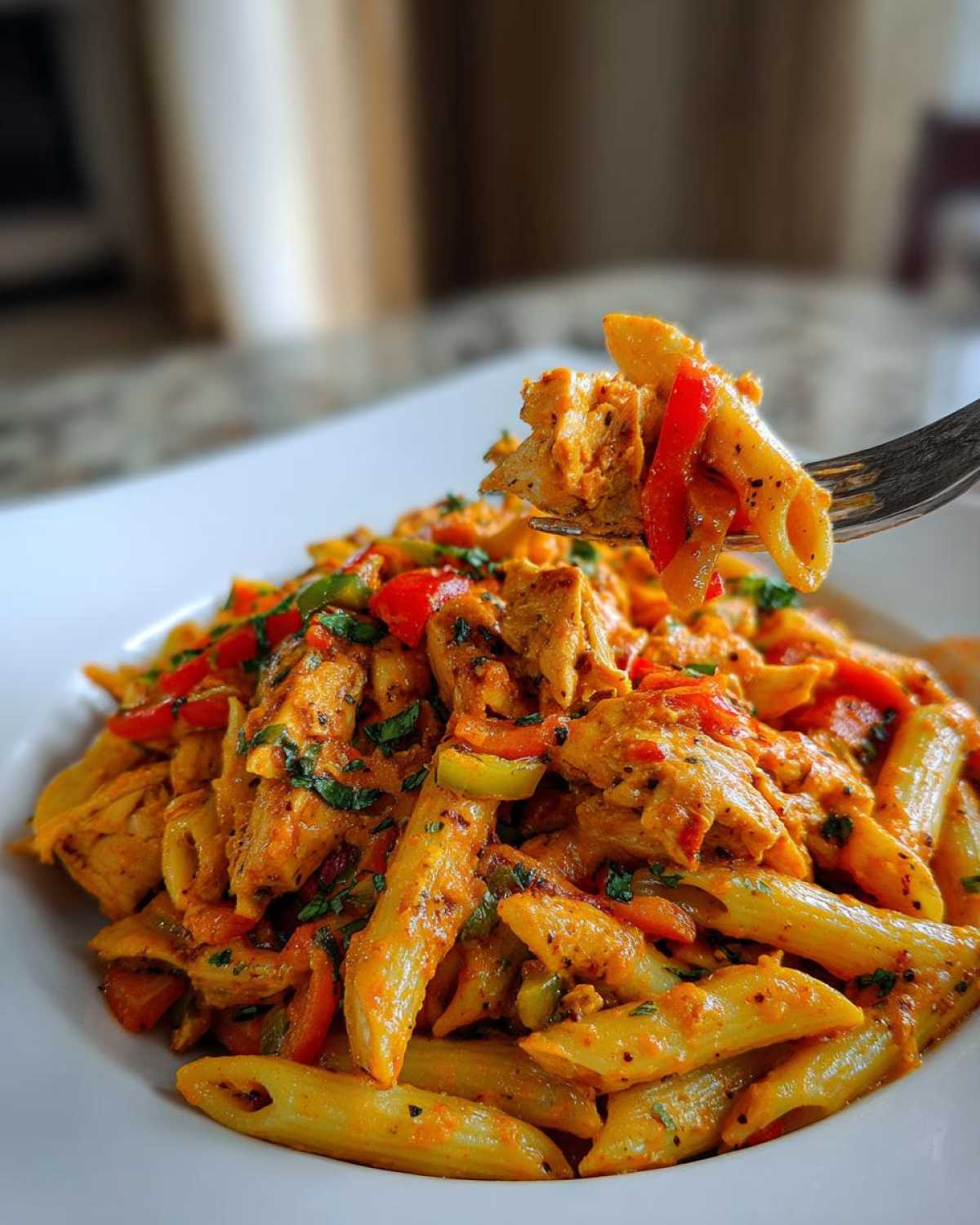
Why This Creamy Rasta Pasta Belongs in Your Collection
We call this recipe a finished project. I planned every step. Jacob added the magic touch with the seasoning balance. That smoky heat combined with rich cream? Wow. This creamy rasta pasta comes together fast. It delivers huge flavor payoff. You get dinner on the table quickly. It’s truly a showstopper dish.
Gather Your Project Materials for Rasta Pasta
Every great project needs a solid material list. You can’t build beautiful rasta pasta without the right stuff. I’ve organized the ingredient list below. Think of this as your blueprint.
Gathering everything first makes cooking easier. It keeps things flowing smoothly in the kitchen. Let’s look at what this flavorful dish requires.
Protein and Produce for Your Rasta Pasta
- We need one pound of pasta. Penne or rotini work best here.
- Get one pound of chicken or shrimp ready. Cut it into bite-sized pieces.
- Grab your onions and peppers. One cup of each is perfect.
- You’ll need two cloves of fresh garlic. Mince that up finely.
Pantry Staples and Creamy Components for Rasta Pasta
- Seasoning is key. Use jerk seasoning to your taste level.
- For the creaminess, measure out one cup packed heavy cream or half-and-half.
- Crushed tomatoes come from one 15-ounce can.
- Don’t forget half a cup of grated Parmesan cheese. This makes the rasta pasta rich.
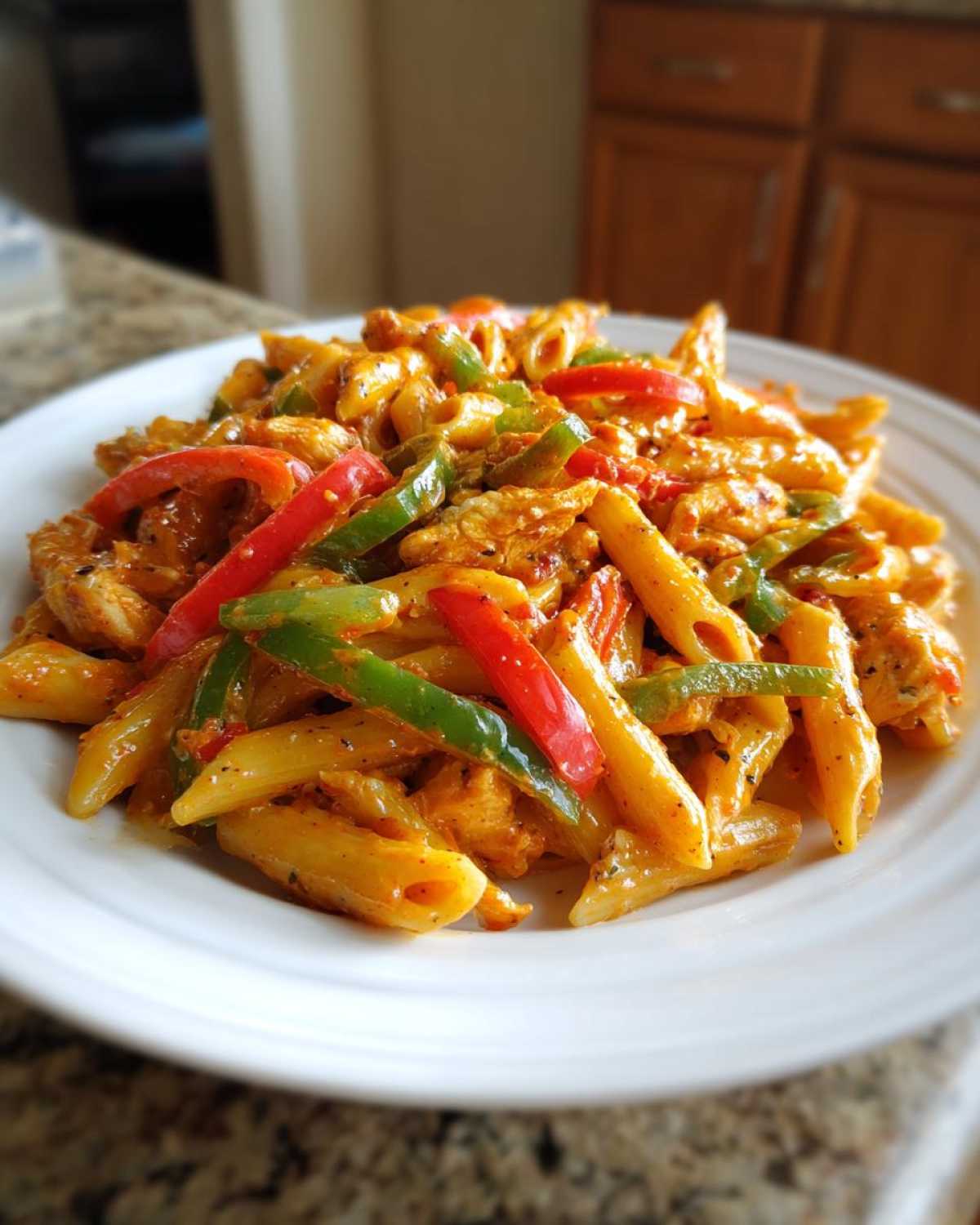
Equipment Needed for a Perfect Rasta Pasta
Now that you have your ingredients ready, let’s check the tools.
You don’t need fancy gadgets for this stovetop meal.
Make sure you have these basics on hand:
- A large pot for boiling your noodles.
- One large skillet for building the sauce.
- A good sharp knife and cutting board.
- A wooden spoon or spatula for stirring everything together.
Step-by-Step Instructions for Perfect Rasta Pasta
This is where Amelia’s plan meets Jacob’s execution. Follow these steps closely. We get this flavorful meal ready fast. The whole process moves quickly once you start cooking. Keep your heat steady for best results.
Remember to cook your pasta until it’s just right. We want it al dente. This means it still has a slight bite left. This texture holds up well in the sauce later.
Cooking the Protein and Sautéing the Vegetables
Get your large pot of water boiling first. Cook the pasta per package directions. Crucially, save about half a cup of that starchy water. Drain the rest.
Next, season your chicken or shrimp well. Heat olive oil in your skillet over medium-high heat. Cook your seasoned protein until it’s done cooking through. Pull the protein out. Set it aside for now.
Toss the onions and peppers into that same hot skillet. Sauté them until they start to soften up a bit. This takes about five to seven minutes.
Building the Signature Creamy Rasta Pasta Sauce
Add your minced garlic to the softened peppers. Cook it just one minute more. You want it fragrant, not burned.
Pour in the crushed tomatoes and the chicken broth next. Bring this mixture up to a gentle simmer. Now, lower the heat down to medium-low. Stir in the heavy cream and the Parmesan cheese slowly. Whisk until the sauce looks perfectly smooth.
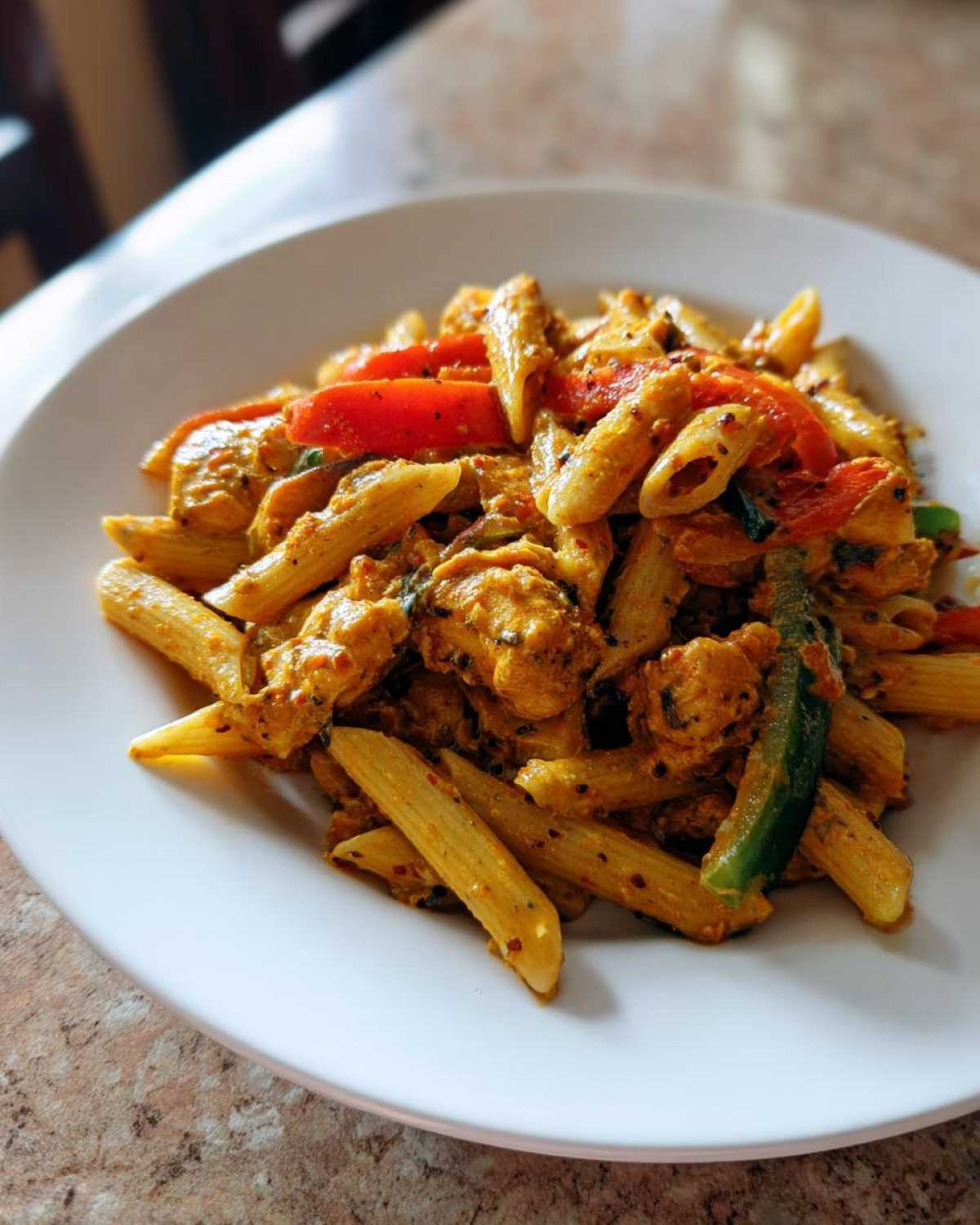
This is your chance to taste! Adjust the jerk seasoning now. Taste the sauce before you add the dairy back in. Jerk seasoning is a complex blend of spices originating from Jamaica.
Combining and Finishing Your Rasta Pasta
Put the cooked chicken or shrimp back into the skillet. Season everything with salt and pepper as needed. Stir it all together gently.
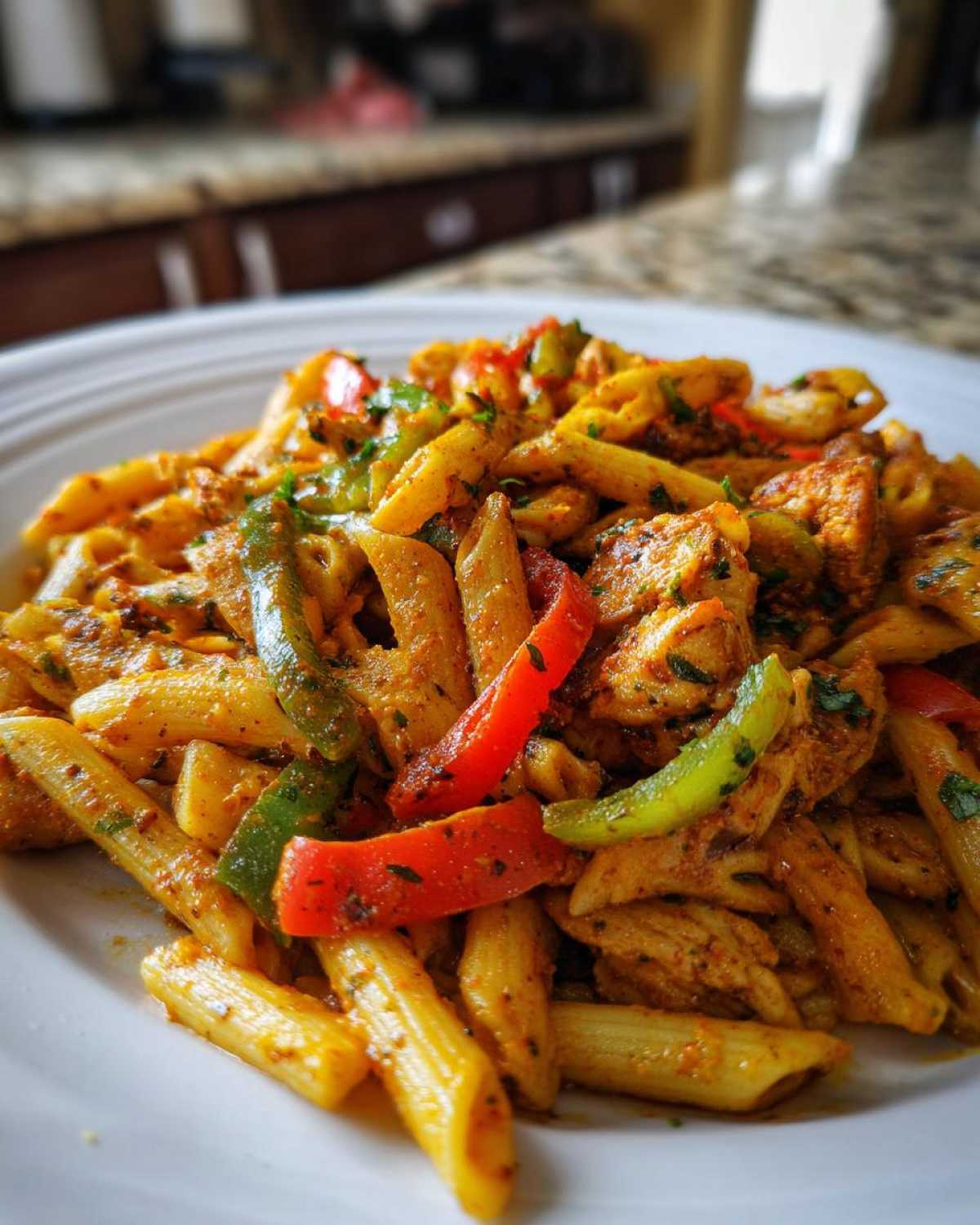
Finally, add your drained pasta to the sauce. Toss everything well. Coat every piece of pasta evenly. If the sauce seems too thick for your liking, add a splash of that reserved pasta water. This creates a beautiful, glossy finish for your rasta pasta. Garnish with fresh parsley and serve hot!
Tips from Amelia and Jacob for Amazing Rasta Pasta
We have tested this recipe many times. Jacob always tweaks things slightly. These little adjustments make a big difference, trust me! They turn a good dish into a great one.
Don’t be afraid to play with the heat level here. That jerk seasoning is the star of this show. Getting the texture right is also key to a fantastic result.
These tips help perfect your homemade rasta pasta project. Check out more cooking tips here.
Customizing Your Rasta Pasta Flavor Profile
Jacob insists you taste the sauce base first. Do this before the cream goes in. If you love heat, add more jerk seasoning now. Don’t wait until the end.
Want a meatless meal? Try chickpeas instead of chicken. Jacob even used mushrooms one time. They soak up the sauce beautifully. This makes a delicious vegetarian rasta pasta. For more vegetarian inspiration, see our creamy vegan mushroom stroganoff.
Achieving the Best Sauce Consistency for Rasta Pasta
That reserved pasta water is liquid gold. Seriously, don’t skip saving it!
It holds starch from the noodles. This starch helps the sauce stick perfectly. It emulsifies the cream and tomatoes better. If your sauce looks too thick for your rasta pasta, add water slowly. Keep tossing until it coats the pasta just right. It gives you that restaurant-quality cling.
Common Questions About Making Rasta Pasta
I know you might have a few questions brewing. Cooking a new dish always brings up uncertainties. We get asked about this recipe a lot!
It’s normal to wonder about leftovers or swaps. We’ve gathered a few frequent inquiries here. These answers should boost your cooking confidence.
Let’s talk specifics about this amazing creamy pasta.
Can I Make This Rasta Pasta Ahead of Time?
You can prep components ahead, for sure. Sauté the veggies and cook the protein early. Store them separately in the fridge.
However, I don’t advise mixing the whole dish days ahead. The sauce can thicken up too much. Reheating creamy sauces is tricky business.
What is the Best Protein Substitute for Jerk Chicken Pasta?
Shrimp cooks up wonderfully in this recipe. It’s a fantastic alternative. For a vegetarian option, try hearty roasted mushrooms. Chickpeas also work great here.
They absorb that smoky jerk flavor so well. Just add your substitute when you would add the chicken back in.
Storing and Reheating Your Flavorful Rasta Pasta
Leftovers are the best part of cooking big batches. Store any extra pasta tightly sealed. Keep it in the refrigerator for up to three days.
Reheating needs a little care. The cream sauce can seize up when cold. Add a splash of milk or broth first. Heat it gently on the stovetop. Do not microwave it on high power. Low and slow keeps the texture smooth.
Share Your Taste Portfolio Project
We absolutely love seeing your kitchen successes!
Did this recipe make it into your rotation?
Please leave a star rating below. Tell us how it went!
Share your finished plate with us online.
Print5 Rasta Pasta Secrets Amelia Knows
Enjoy this incredibly flavorful and creamy Jamaican Rasta Pasta featuring bright bell peppers and the signature smoky heat of jerk seasoning. This recipe is a quick, satisfying dinner project you and your partner will love making together.
- Prep Time: 15 minutes
- Cook Time: 25 minutes
- Total Time: 40 minutes
- Yield: 4 servings
- Category: Main Dish
- Method: Stovetop
- Cuisine: Jamaican
- Diet: Vegetarian
Ingredients
- 1 pound pasta (penne or rotini)
- 1 tablespoon olive oil
- 1 pound chicken breast or shrimp, cut into bite-sized pieces
- 1 teaspoon jerk seasoning (or more to taste)
- 1 cup chopped onion
- 1 cup sliced red bell pepper
- 1 cup sliced green bell pepper
- 2 cloves garlic, minced
- 1 (15 ounce) can crushed tomatoes
- 1 cup heavy cream or half-and-half
- 1/2 cup chicken broth
- 1/2 cup grated Parmesan cheese
- Salt and black pepper to taste
- Fresh parsley for garnish
Instructions
- Cook pasta according to package directions until al dente. Reserve 1/2 cup of the pasta water before draining.
- While pasta cooks, season your chicken or shrimp with jerk seasoning.
- Heat olive oil in a large skillet over medium-high heat. Add the seasoned protein and cook until done. Remove from skillet and set aside.
- Add onion and bell peppers to the same skillet. Sauté for 5-7 minutes until softened.
- Stir in the minced garlic and cook for 1 minute until fragrant.
- Pour in crushed tomatoes and chicken broth. Bring the mixture to a simmer.
- Reduce heat to medium-low. Stir in heavy cream and Parmesan cheese until the sauce is smooth.
- Return the cooked protein to the skillet. Season with salt and pepper.
- Add the drained pasta to the sauce. Toss to coat everything evenly. If the sauce is too thick, add a splash of the reserved pasta water until you reach your preferred consistency.
- Serve immediately, garnished with fresh parsley.
Notes
- Jacob suggests tasting the sauce before adding the cream; adjust the jerk seasoning level then.
- If you prefer a vegetarian version, substitute the chicken/shrimp with chickpeas or mushrooms.
- For extra richness, use full-fat heavy cream.
- This recipe works well as a ‘project’ for meal planning; prep the vegetables ahead of time.
Nutrition
- Serving Size: 1 serving
- Calories: Varies based on cream/protein choice
- Sugar: Unknown
- Sodium: Unknown
- Fat: Varies based on cream/protein choice
- Saturated Fat: Unknown
- Unsaturated Fat: Unknown
- Trans Fat: Unknown
- Carbohydrates: Unknown
- Fiber: Unknown
- Protein: Unknown
- Cholesterol: Unknown