

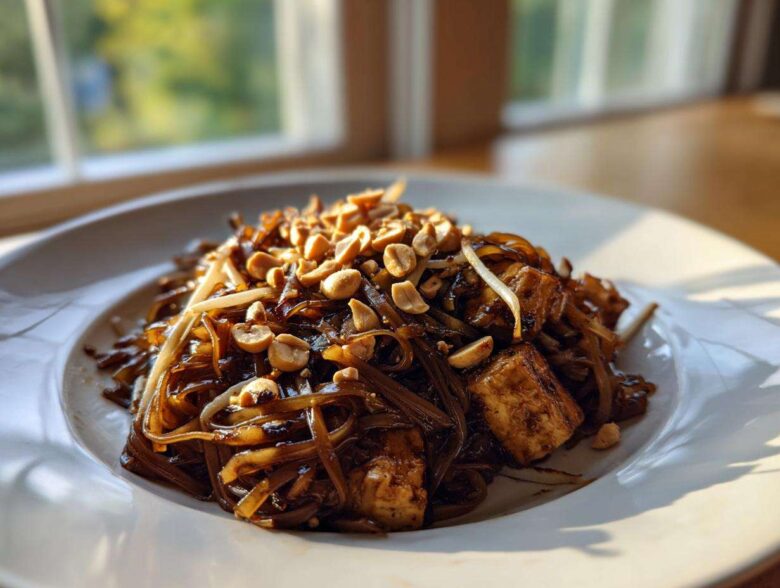
Oh my gosh, have you ever gotten that intense craving for Thai food? You know the one—where you just absolutely *need* that perfect symphony of flavors hitting your tongue? The sweet, the tangy, the salty, everything all balanced perfectly? For me, that always means one thing: authentic Pad Thai. Forget those thick, overly sweet takeout versions; we’re making the real deal today. I spent ages nailing the technique to replicate that amazing street-food buzz right here in my own kitchen. Trust me, once you get the sauce right and keep your wok blazing hot, you’ll never order delivery again. This Pad Thai recipe is my little secret to making magic happen in just about 30 minutes!
Why This is the Best Pad Thai Recipe You Will Make
So many homemade versions miss the point, right? They end up tasting too sweet or just… heavy. This recipe shines because we hit that hard-to-find harmony: sweet, sour, and savory. It’s what makes that first bite of restaurant-style Pad Thai so addictive.
- We nail the texture so the noodles are chewy, not gloppy.
- The sauce balances perfectly, thanks to real tamarind.
- It cooks lightning fast, just like at the street stalls! I’ve got the timings down perfectly, which you can check out more about on my main cooking adventures page.
Achieving Authentic Flavor with Tamarind Sauce Noodles
The secret sauce is everything, seriously. You need the tang from the tamarind paste—that’s non-negotiable! When you combine that with fish sauce for the savory kick and palm sugar for that deep sweetness, you get the authentic baseline for great Pad Thai. Forget ketchup or soy sauce swaps; this trio is the foundation.
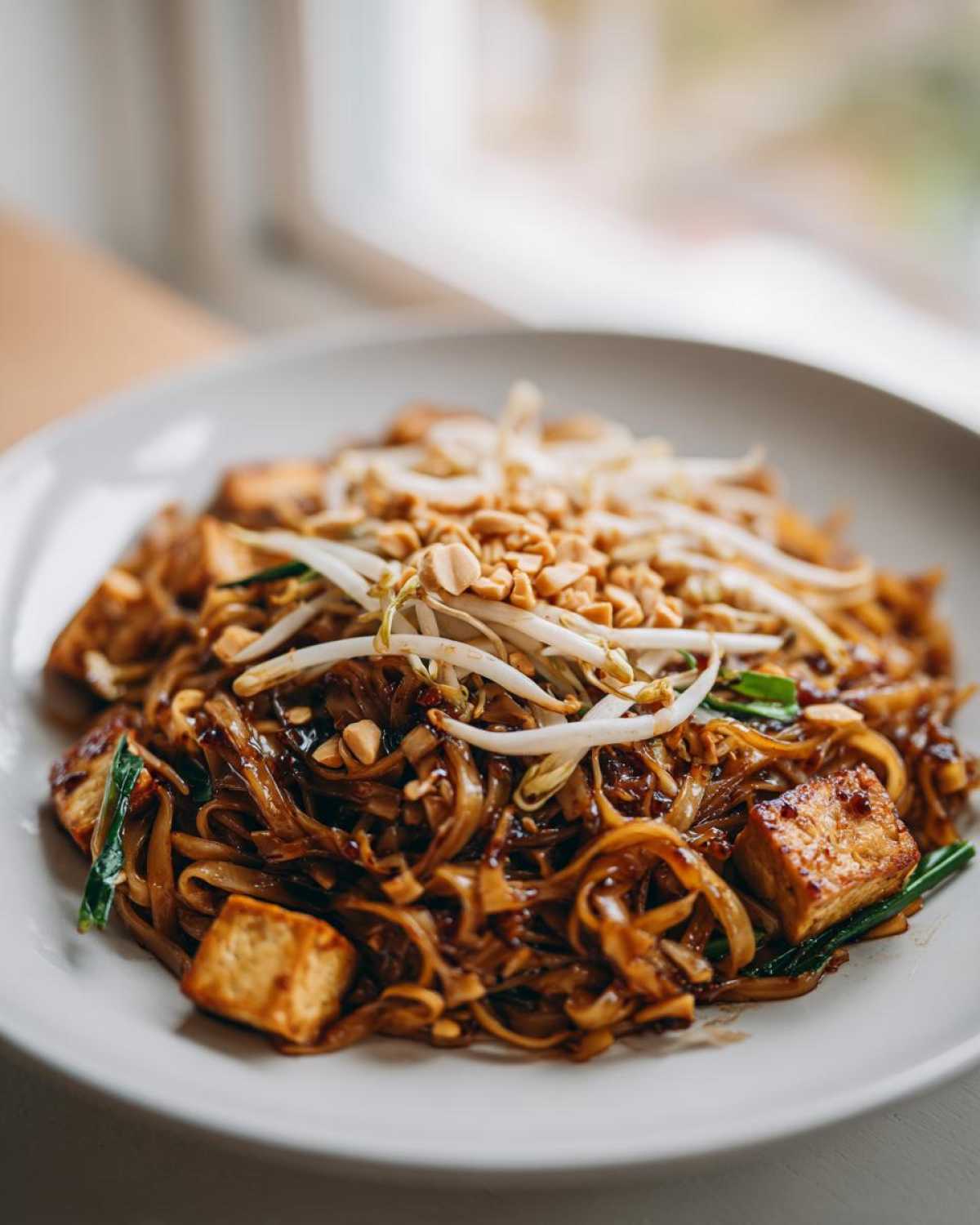
Perfect Noodle Texture for Your Thai Rice Noodle Dish
The most common mistake? Over-soaking! Mushy noodles ruin the whole experience. For this Thai rice noodle dish, we soak them until they are just bendy but still have a little fight left in them. Draining them cold right before cooking stops them from turning into paste when they hit that hot wok. That’s the trick to keeping things nicely textured!
Gathering Ingredients for Authentic Pad Thai Recipe
Okay, friend, time to raid your pantry and get organized! The secret to fast cooking later is having everything ready to go *before* you even turn on the stove. Because this whole stir-fry process takes maybe ten minutes total, you don’t want to be scrambling for the fish sauce while your garlic burns!
I want you to think of this as two piles of ingredients: the sauce crew and the noodle/wok crew. If you check out my guide on Asian salad dressings, you’ll see how much I focus on balanced components—it’s the same idea here!
For the Signature Tamarind Sauce Noodles
This is where the magic happens for that incredible tang. You absolutely need tamarind paste for its pure sour punch; it cuts through the richness perfectly. Forget skipping the sugar either, we need that balance!
- Tamarind Paste: We need 3 big tablespoons. This gives you that essential, deep sour note that defines proper Pad Thai.
- Fish Sauce: 3 tablespoons. Essential for that salty umami backbone. Don’t worry, it doesn’t taste fishy when cooked down!
- Palm Sugar (or Brown Sugar): 3 tablespoons. If you can find palm sugar, grab it—it has a richer caramel flavor. If not, packed light brown sugar works just fine.
- Chili Flakes: Just 1 teaspoon, and only if you like a little fire! You can always add more later, so start small.
Main Components for Homemade Thai Takeout
Now for the actual stuff that goes into the wok. Make sure your tofu is pressed—no one wants soggy noodles absorbing wet tofu! If you’re using shrimp, peel and devein them first. Getting all this chopped and measured saves so much stress when the heat is on for your homemade Thai takeout night.
- Rice Noodles: 8 ounces of flat, dried ones. Remember, we are only soaking these!
- Protein Choice: About 4 ounces of firm tofu (cubed) OR 6 ounces of raw shrimp. Your choice!
- Aromatics: 2 minced garlic cloves and 1 thinly sliced shallot. The shallots give a milder, sweeter onion flavor than regular onions.
- Eggs: 2 large eggs. They cook up fast and add richness!
- Texture Boosters: 1 cup of bean sprouts and about 1/4 cup of fresh chives or green onions, chopped.
- Garnish Gear: Get your roasted peanuts chopped and those lime wedges cut and ready for serving!
Step-by-Step Instructions for Perfect Pad Thai
Okay, buckle up, because this is where we go fast! If you’ve done your prep work—got your sauce mixed and your noodles soaking—this cooking phase flies by. Remember when I talked about my honey garlic chicken stir-fry? Same rule applies here: high heat and constant movement are your best friends to get that smoky, authentic Pad Thai flavor.
Preparing Noodles and The Tamarind Sauce Noodles
First things first, get those noodles hydrated! They need about 20 to 30 minutes in hot tap water. You want them pliable but still a little tough in the middle—that’s our al dente goal. If they are too soft now, they will turn into mush later! Drain them really well when they are ready.
While those are soaking, smash together that sauce mixture we talked about. Just whisk the tamarind paste, fish sauce, and palm sugar until that sugar dissolves into that gorgeous, tangy liquid. Seriously, this sauce is gold.
Cooking Protein and Aromatics for Pad Thai
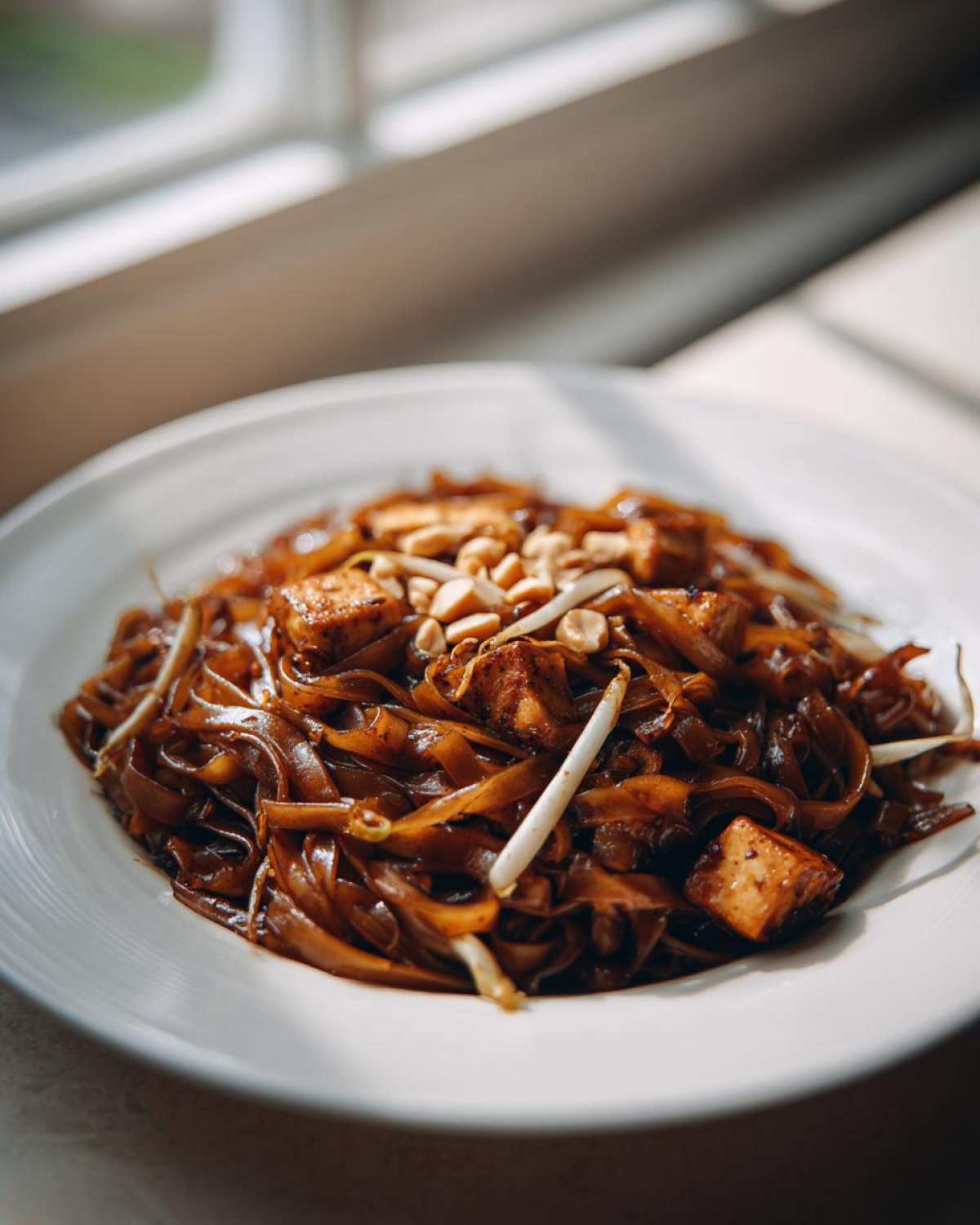
Get your wok screaming hot—medium-high is where we live for this part! Add 1 tablespoon of oil. Toss in your cubed tofu or your shrimp. Cook it quick, maybe 2 or 3 minutes, just until it’s golden or pink and opaque. Scoop it out and set it aside. We remove it so it doesn’t overcook while we handle everything else.
Now, add the last bit of oil, then toss in your minced garlic and sliced shallots. Stir them fast for about 30 seconds until you can really smell them—don’t let them burn! Now, push those guys quickly to one side of the wok. Crack both eggs into the empty space. Scramble them aggressively until they just start to set up, then break them into small pieces with your spatula.
Combining Ingredients: The Final Toss of Your Thai Rice Noodle Dish
Time to bring it all home! Add the drained noodles and the reserved tofu/shrimp back into the wok with your egg and aromatics. Pour that magical sauce right over the top. Now, this is crucial: Toss, toss, toss continuously for about 2 to 3 minutes. You are looking for the noodles to absorb all that color and flavor until they are coated completely and cooked through.
Finally, toss in your bean sprouts and those fresh chives. You only want to cook these for about 30 seconds! We want them warm and slightly crisp, not wilted and sad. That’s it! Take it off the heat immediately, garnish with your chopped peanuts, and serve it piping hot with that lime wedge right on the side!
Expert Tips for Mastering Your Pad Thai
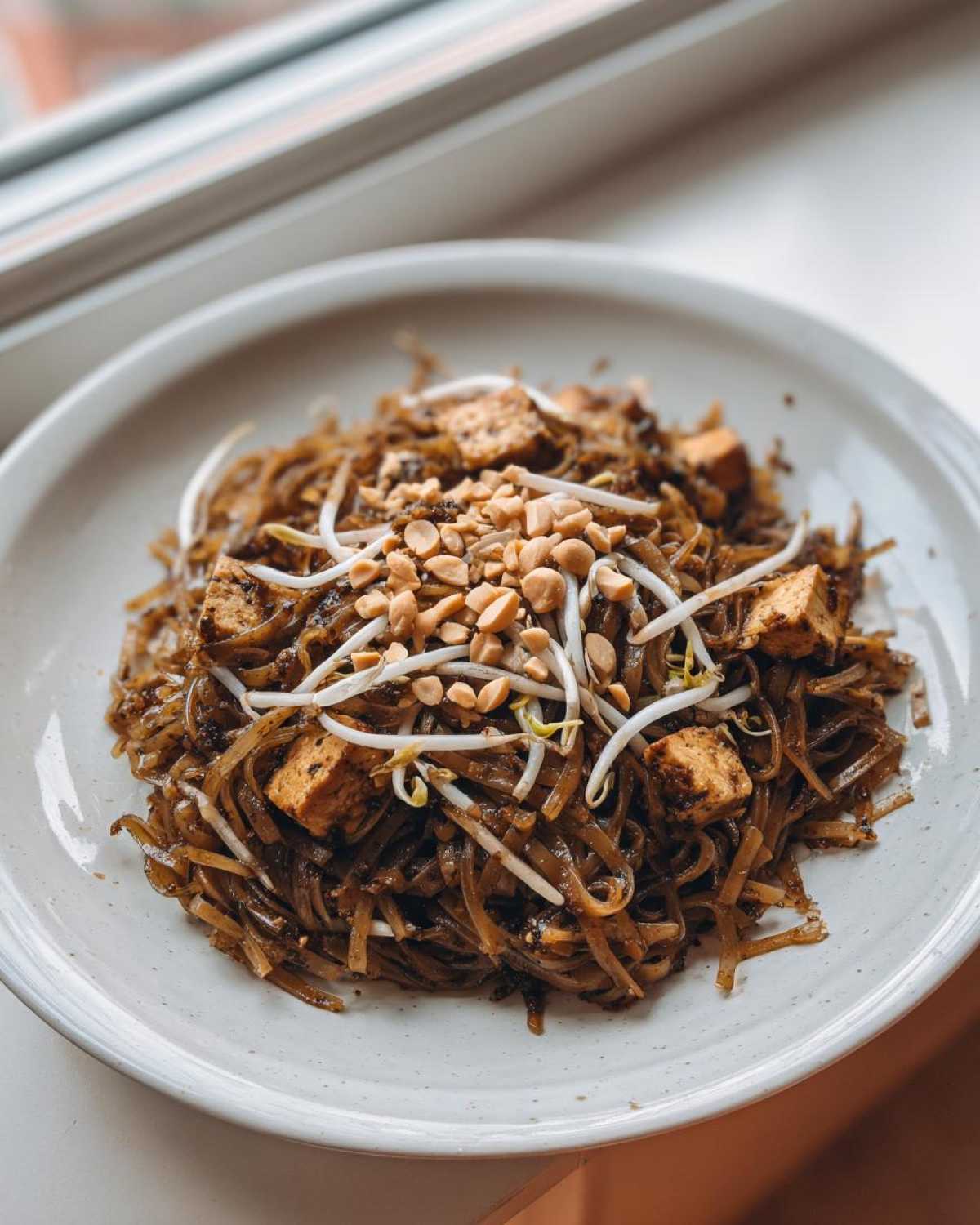
Look, I’ve burned a batch or two in my time, so I’ve picked up a few tricks to make sure your Pad Thai comes out restaurant-perfect. The difference between good and great usually comes down to high heat and not trying to rush the process!
If you’re using a smaller skillet instead of a giant wok—which, totally fine, we all start somewhere!—you absolutely have to cook this dish in two smaller batches. Don’t overcrowd the pan! If you pile everything in, the temperature drops fast, and instead of stir-frying, you end up steaming the noodles. That’s when they get gummy, and nobody wants that! I learned this the hard way making my chicken chow mein; it applies here too!
Remember that tip about rinsing the noodles after you soak them? That’s clutch. After you drain them (once they are pliable but still firm!), give them a *very* quick rinse under cold tap water. It shocks them just enough to stop that residual heat from turning them soft while you’re setting up the wok. It keeps that perfect chewiness we are aiming for.
And finally, keep that wok hot! When you add the sauce, you want it to sizzle immediately. That intense heat caramelizes the sugar in the sauce just enough to create that slightly sticky, smoky residue on the noodles—that’s the authentic flavor bomb you want. High heat means fast cooking, so have your serving plates ready to go!
Ingredient Notes and Substitutions for Pad Thai
Okay, let’s talk about the elephant in the room: sourcing ingredients! Sometimes you look at an authentic Pad Thai recipe and see ingredients that sound fancy, but I promise, they are worth tracking down—or we have easy substitutes if you’re in a pinch.
The biggest question I always get is about the sugar. Palm sugar is amazing, giving you that beautiful, slightly toffee-like depth that white sugar just can’t touch. However, if your local Asian market is nowhere in sight, don’t panic! You can definitely use packed light brown sugar instead. It’s the next best thing we have in our pantries for this dish.
When it comes to the main sour agent, tamarind paste, you want the thick, dark paste, not the watery concentrate if you can help it. I sometimes find mine near the specialty jams or ethnic cooking section. If yours looks a little stiff, just take that portion out and warm it up with a teaspoon of hot water while you whisk the rest of your sauce ingredients. That little bit of effort makes your Pad Thai sauce sing!
Serving Suggestions for Your Homemade Thai Takeout
You’ve done the work—you’ve mastered the wok, you’ve balanced the sweet and sour, and now you have this gorgeous, fragrant Pad Thai sitting right in front of you! Don’t just scoop it onto a plate! Presentation is half the fun when you’ve gone to the trouble of making a truly homemade Thai takeout experience.
The standard presentation is non-negotiable in my book! You’ve got to hit it with texture right at the end. Generously sprinkle those chopped roasted peanuts right over the top. Crushed peanuts add that crucial crunch in every bite, so don’t be shy with the garnish!
Then, the lime. Always serve it with fat wedges of fresh lime on the side. Seriously, everyone needs to squeeze fresh lime juice over their own portion right before eating. That bright, fresh burst of acid is the final, essential missing piece to cut through the richness of the noodles and sauce. It wakes everything up!
If you feel like you need a nice, cool counterbalance to all that savory goodness, I highly recommend serving it alongside something fresh and crisp. If you’re looking for a simple pairing that doesn’t steal the show, try my easy cabbage salad. The raw crunch and light vinaigrette are the perfect cool palate cleanser between spicy, tangy bites of noodles.
Storage and Reheating Instructions for Pad Thai
So, you have leftovers? Amazing! That means you successfully made enough fantastic Pad Thai to last more than one night. That’s a win in my book. But listen up, because noodles—especially rice noodles—can get a little cranky in the fridge. They tend to clump together and get super stiff and dry after they chill out overnight.
Don’t even think about throwing them in the microwave plain! All you’ll get is a hard, chewy block of regret. The best way to revive this Thai rice noodle dish is to bring back that wok heat and introduce a little steam.
If you’re reheating a small portion, just put it back in a clean, medium-hot skillet or wok. Splash in just a tiny bit of water or, even better, some chicken or vegetable broth—just a teaspoon or two is usually enough. Toss it constantly. That moisture will steam the noodles back to life pretty quickly, loosening them up and bringing back that soft chew. It should only take 3 or 4 minutes to get them hot and separated again. Keep tossing until they look glossy and fresh, and enjoy round two!
Frequently Asked Questions About Pad Thai
I get so many great questions every time I post this recipe! It’s amazing how many different small tweaks people want to make to get their Pad Thai exactly right for their taste. Don’t worry if you need to adjust things; that’s what cooking is all about!
Can I use chicken instead of shrimp or tofu in this Pad Thai recipe?
Absolutely! This recipe is designed around whatever protein you love most. If you swap out the shrimp or tofu for chicken, you just need to remember to cook it first, just like the instructions say. Chicken pieces are usually a bit thicker than shrimp, so give them an extra minute or two in that hot oil until they are totally cooked through and browned, then scoop them out. Just make sure you remove them before you start frying the garlic and eggs so they don’t turn rubbery during the final toss!
How do I make the Pad Thai sauce less sweet or more sour?
This is all about personal preference, isn’t it? The balance in the tamarind sauce noodles is key. If you taste your sauce before pouring it in and it seems too sweet, stir in just a half teaspoon of extra tamarind paste. That should sharpen the sourness right up! If it’s too tangy, add just a tiny pinch more palm sugar—maybe a quarter teaspoon at a time—whisking well until it mellows out. Never add too much at once, or you’ll overshoot the mark!
What is the best type of rice noodle for this dish?
When you read recipes for an authentic Pad Thai recipe, they almost always call for dried, flat rice noodles. I’m talking about the ones that look like long, stiff ribbons in the bag. You need those specific flat noodles, usually about a quarter-inch wide (though sometimes you’ll see wider ones). They have the perfect surface area to grab onto that thick sauce and they absorb just enough moisture during the soak and stir-fry process to give you that satisfying, slightly chewy texture that this Thai rice noodle dish is famous for. Thin vermicelli noodles just dissolve!
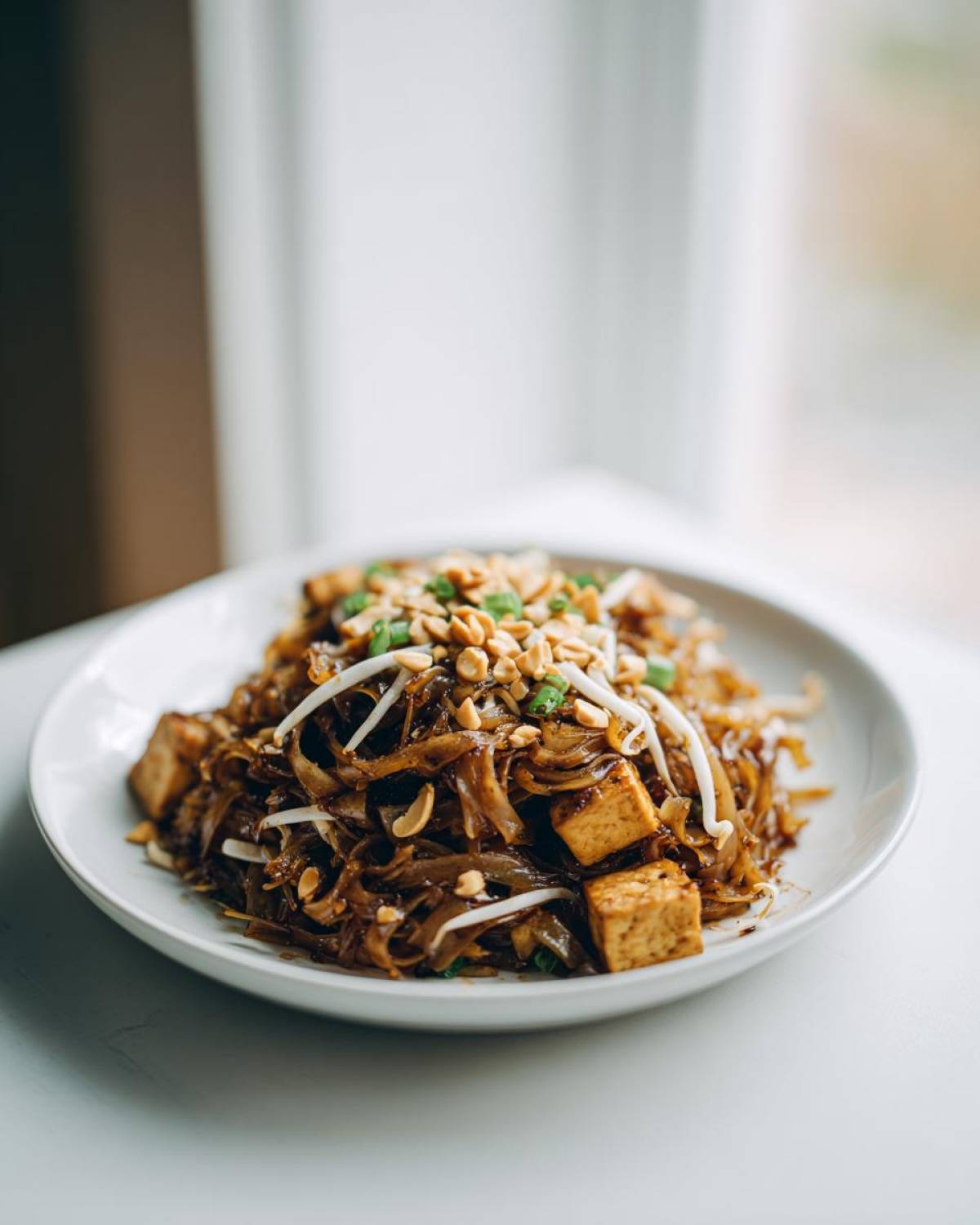
If you have *any* other burning questions about getting the perfect stir-fry technique, feel free to reach out to me on my contact page. Happy cooking!
Nutritional Estimates for This Pad Thai Recipe
Now, I have to give you the standard disclaimer here—I’m a cook, not a certified nutritionist! These numbers are just my best estimates based on the standard listed ingredients, specifically using the tofu option, since protein amounts can shift depending on whether you choose shrimp or tofu. If you end up using more peanuts or a heavier hand with the sugar, those figures will change!
For those of you tracking macros or just curious about what’s in a wonderful serving of this Pad Thai, here’s a quick breakdown. I always recommend checking out my official site disclaimer for more on how I approach these estimates.
- Serving Size: 1 serving (This recipe yields 2 generous servings!)
- Calories: Roughly 550 per serving
- Fat: Around 18 grams
- Carbohydrates: About 75 grams (hello, noodles!)
- Protein: A solid 28 grams, especially if you use tofu!
- Sugar: Approximately 18 grams (This comes mainly from the palm sugar in the sauce, so remember that’s balancing that sour tamarind!)
Keep in mind that the sodium content (around 1200mg) is noticeable because fish sauce is a primary ingredient, which is normal for an authentic Pad Thai recipe. If you’re concerned, you can try reducing the fish sauce slightly in the sauce mixture, but I’d taste it first because the balance is tricky!
PrintAuthentic Pad Thai Recipe
Make classic Pad Thai at home using rice noodles, a tangy tamarind sauce, tofu or shrimp, and peanuts.
- Prep Time: 20 min
- Cook Time: 10 min
- Total Time: 30 min
- Yield: 2 servings
- Category: Dinner
- Method: Stir-Frying
- Cuisine: Thai
- Diet: Low Lactose
Ingredients
- 8 ounces dried flat rice noodles
- 2 tablespoons vegetable oil
- 4 ounces firm tofu, pressed and cubed, or 6 ounces raw shrimp, peeled and deveined
- 2 cloves garlic, minced
- 1 large shallot, thinly sliced
- 2 large eggs
- 1 cup bean sprouts
- 1/4 cup chopped fresh chives or green onions
- 1/4 cup chopped roasted peanuts, for garnish
- 1 lime, cut into wedges, for serving
- For the Sauce: 3 tablespoons tamarind paste, 3 tablespoons fish sauce, 3 tablespoons palm sugar (or brown sugar), 1 teaspoon chili flakes (optional)
Instructions
- Soak the rice noodles in hot tap water for 20 to 30 minutes, or until they are pliable but still slightly firm (al dente). Drain well.
- Prepare the sauce: In a small bowl, whisk together the tamarind paste, fish sauce, palm sugar, and chili flakes, if using, until the sugar dissolves. Set aside.
- Heat 1 tablespoon of oil in a wok or large skillet over medium-high heat. Add the tofu or shrimp and cook until golden brown or opaque, about 2 to 3 minutes. Remove from the wok and set aside.
- Add the remaining 1 tablespoon of oil to the wok. Add the garlic and shallots and stir-fry for 30 seconds until fragrant.
- Push the aromatics to one side of the wok. Crack the eggs into the empty space and scramble them until just set. Break them up slightly.
- Add the drained noodles and the cooked tofu/shrimp back into the wok. Pour the prepared sauce over the noodles.
- Toss everything together quickly and continuously for 2 to 3 minutes until the noodles are coated and cooked through.
- Stir in the bean sprouts and chives. Cook for 30 seconds more. Do not overcook the sprouts.
- Serve immediately, topped with chopped peanuts and a lime wedge on the side.
Notes
- If you cannot find palm sugar, use packed light brown sugar as a substitute for the sauce.
- For the best texture, cook the Pad Thai in two smaller batches if your wok is not large enough.
- Rinse the soaked noodles lightly with cold water after draining to stop the cooking process before adding them to the wok.
Nutrition
- Serving Size: 1 serving
- Calories: 550
- Sugar: 18
- Sodium: 1200
- Fat: 18
- Saturated Fat: 3
- Unsaturated Fat: 15
- Trans Fat: 0
- Carbohydrates: 75
- Fiber: 4
- Protein: 28
- Cholesterol: 180