

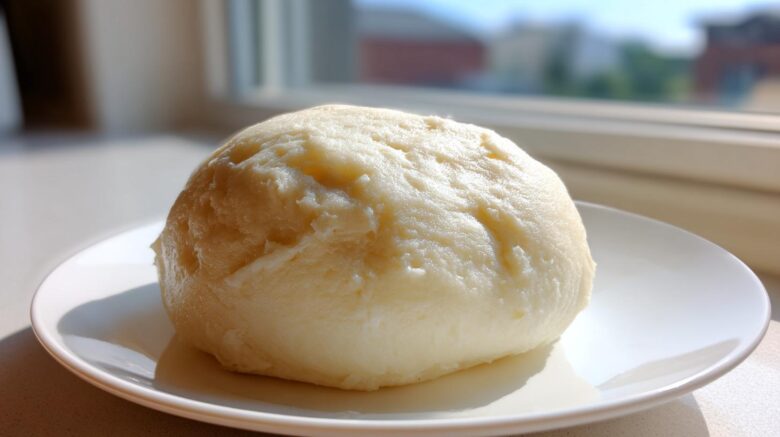
Making Authentic West African Fufu: Your Project Starts Here
When Jacob and I started Taste Portfolio, I never thought we’d tackle something as rewarding as authentic fufu. My lists felt silly then. This staple food is truly special. Every time we nail the texture, it feels like a win. We’ve done the planning and the messy testing.
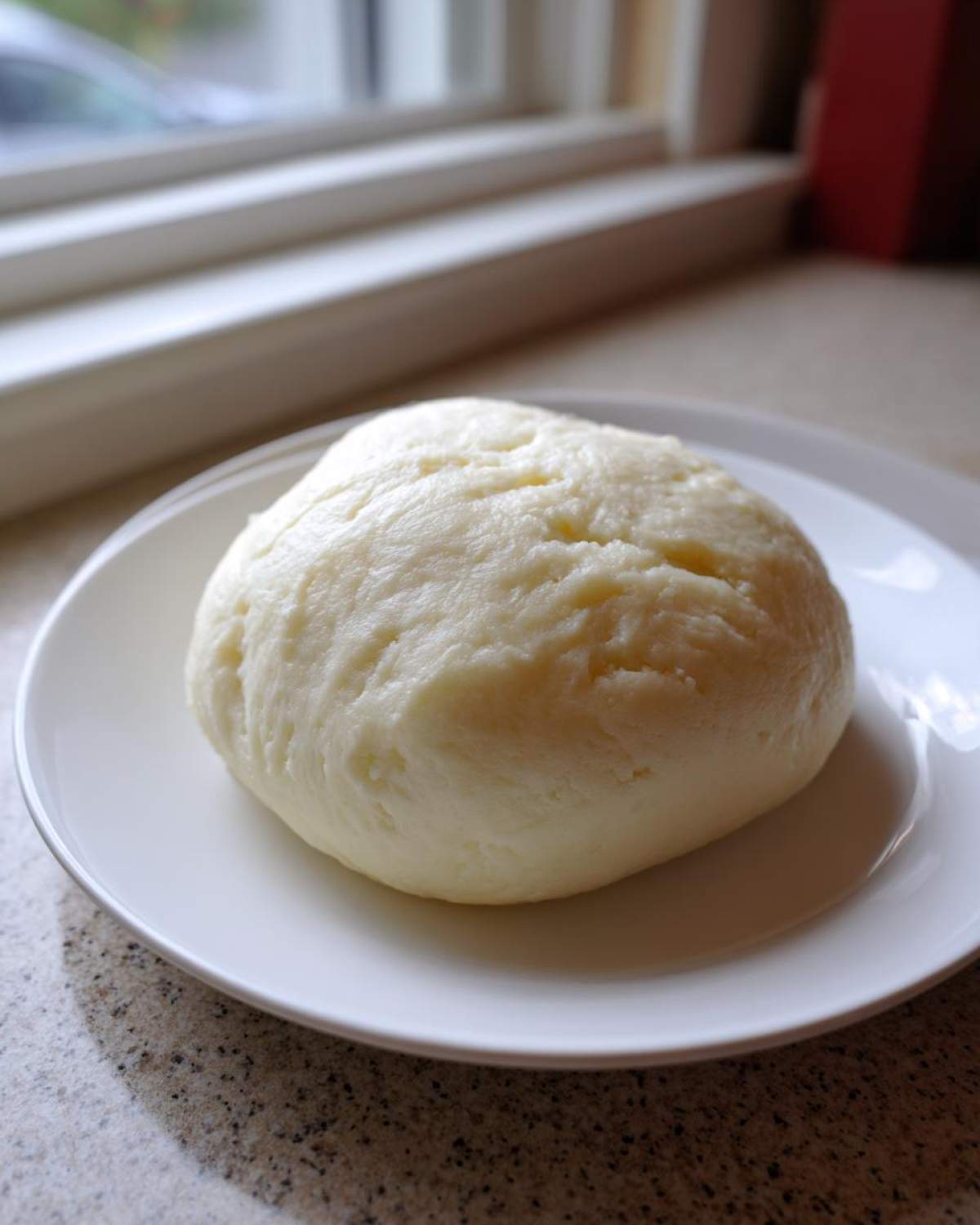
This recipe for beautiful, soft fufu is the result. It’s ready for your favorite soup tonight. Let’s get cooking!
Why This Fufu Recipe Works for You
You want that perfect, smooth dough. I get it. My planning skills shine here. I mapped out every stirring moment. Jacob, the artist, fine-tuned the technique.
We found the sweet spot for consistency. This method gives you that amazing, elastic feel. It’s surprisingly straightforward. You’ll achieve that professional texture easily.
This process ensures a lump-free, delicious result. Trust our combined kitchen efforts.
Essential Tools for Perfecting Your Fufu
Making great fufu starts before the heat is on. Good tools make this project much easier. Having the right gear helps prevent frustration. It builds our cooking authority, right?
Equipment Checklist
- A heavy-bottomed pot.
- A sturdy wooden spoon or spatula.
- A mixing bowl for initial combining.
- Measuring cups for accuracy.
Ingredients Needed for Soft West African Fufu
Gathering the right components is the next project step. We need starches and water, that’s it. Keep your measurements precise here. The final texture depends on this balance.
Using quality ingredients matters a lot. We stick to simple, pure starches for the best flavor.
Choosing Your Starch Base for Fufu
You have flexible choices for your base starch. We use both cassava and plantain here.
- Get two cups of cassava flour. Or, use one pound of fresh or frozen cassava chunks.
- Grab one cup of plantain flour. Alternatively, peel and chop two firm green plantains.
- Four cups of water are needed. Adjust this amount during the cooking process.
Using flour speeds things up slightly. Fresh cassava gives a deeper, traditional taste. Decide what works best for your kitchen timeline.
Step-by-Step Instructions to Prepare Fufu
Now for the main event. This part requires focus. Stick to the plan we laid out. We move from raw ingredients to soft dough. Follow these steps closely.
Initial Starch Preparation
First, deal with your fresh cassava. If you used fresh or frozen chunks, boil them well. They must become very tender. Drain off all that cooking water completely. If you chose flour instead, you skip this boiling step entirely. Move right to the next part.
Cooking the Fufu Paste
Place your prepared cassava or the chosen flour into a large, heavy pot. Add three cups of the measured water. Turn your stove heat to medium. Start stirring right away. Use that strong wooden spoon. The mix will thicken fast. Keep stirring constantly as it cooks.
Achieving the Smooth Fufu Dough Consistency
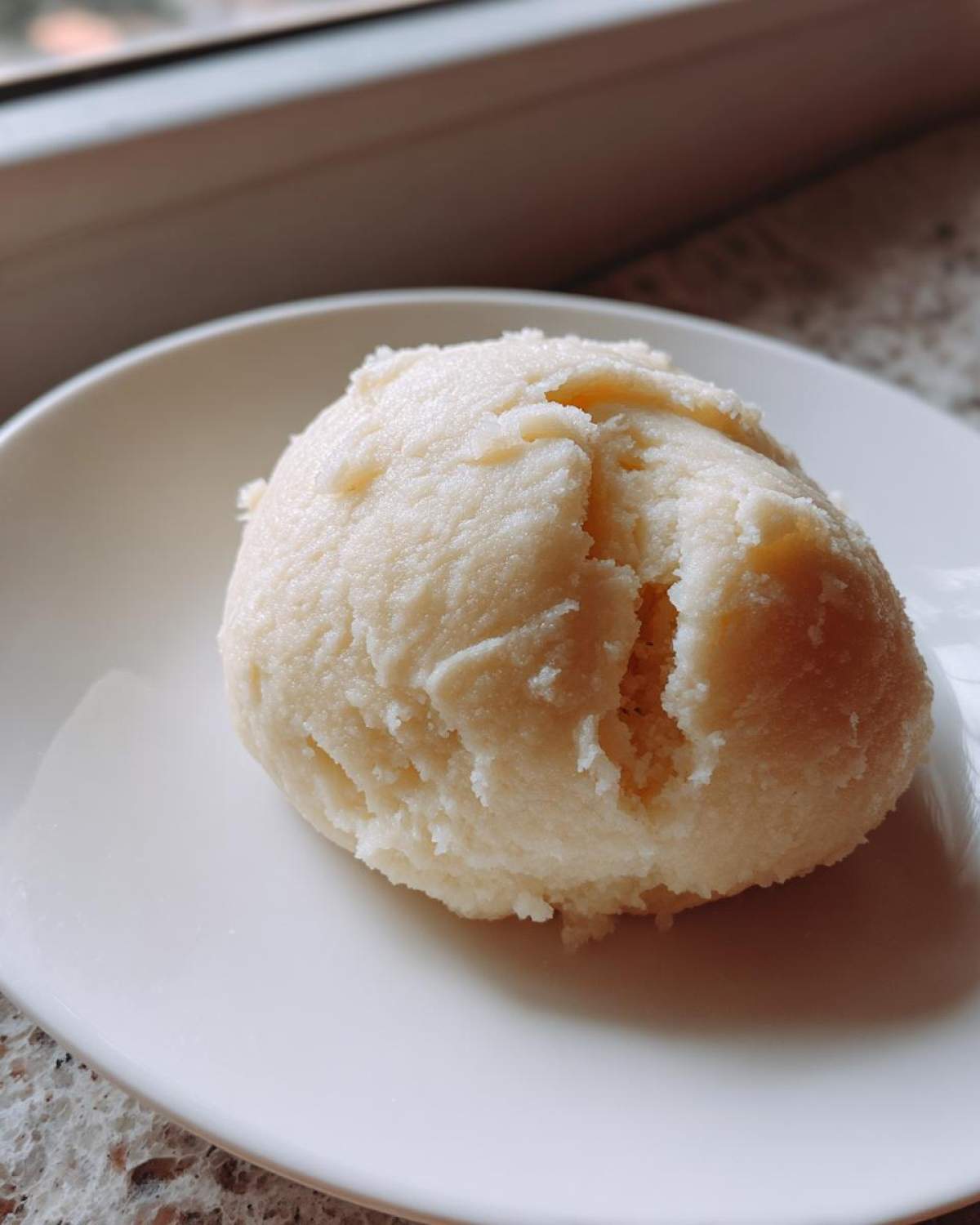
This is where the real work begins. Stir and fold the thick mixture vigorously. You are kneading it against the pot’s side. If the dough gets too stiff, add that last cup of water slowly. Add it bit by bit until it’s workable. Keep kneading hard for ten to fifteen minutes. You want a smooth, elastic ball. It should not stick to the pot sides anymore. This effort creates amazing texture.
Expert Tips for Making Perfect Fufu
We’ve made this dough many times now. I learned a few tricks along the way. Jacob always reminds me about the effort needed. Don’t let the thickness scare you off.
A beautiful, smooth final product is worth the arm workout. These tips come from our testing process. They help you avoid common sticking issues.
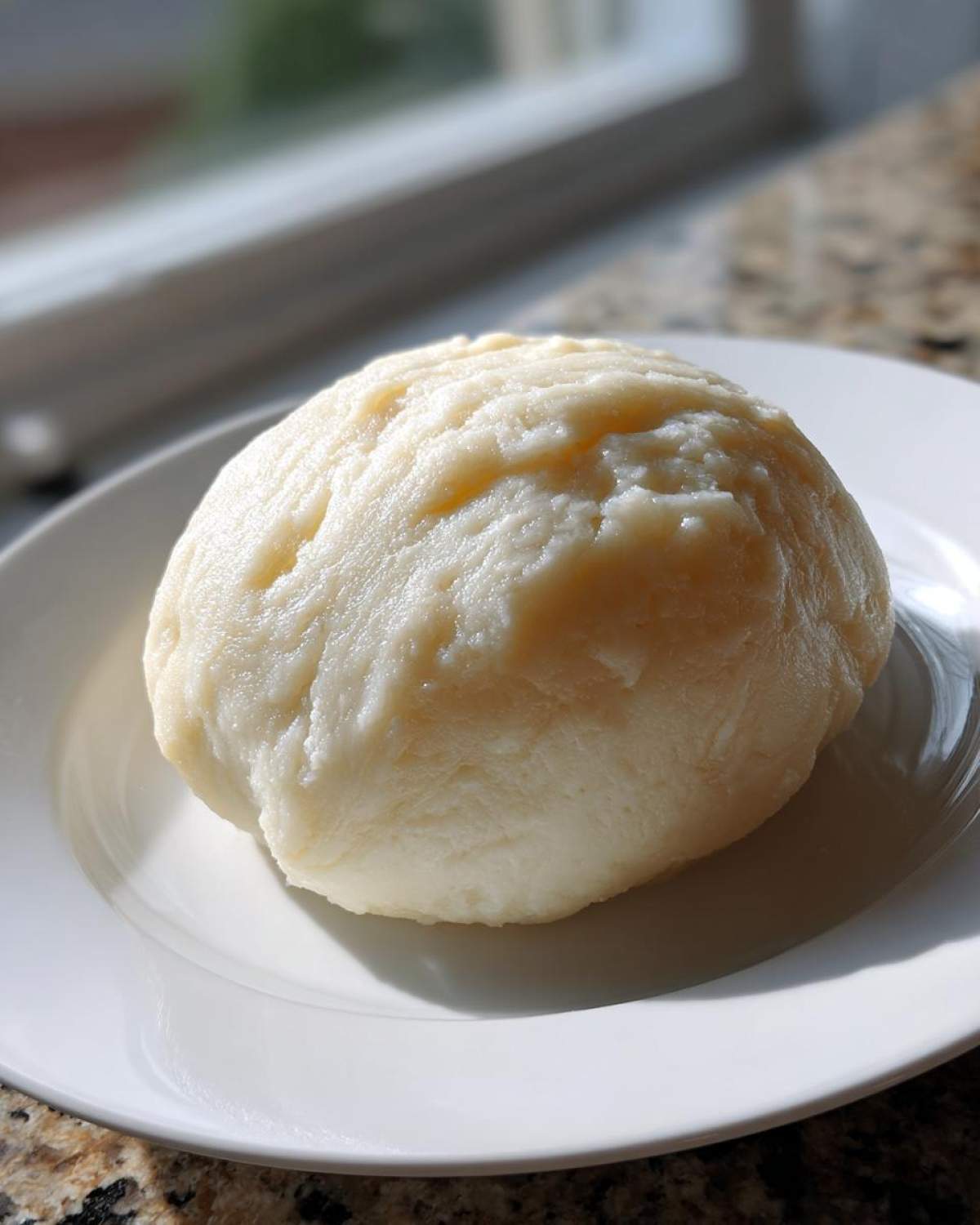
Handling the Heat and Effort in Fufu Preparation
Listen closely: once it starts thickening, stop stirring. That’s a disaster waiting to happen. You must keep stirring and folding hard. This physical action is non-negotiable. It builds the structure you want.
Always use a heavy-bottomed pot. Seriously, this prevents scorching underneath. Scorched bits ruin the smooth feel. Keep adding small splashes of water if it seems impossible to move.
Quick Version Note for Fufu
I know time sometimes runs short. Instant flour exists for this reason. It’s a much faster approach, frankly. But I must be honest here.
The texture from instant flour is just different. It won’t feel exactly like this traditional blend. Stick to our method for the best eating experience. Serve it right away, too.
Serving Suggestions for Your Homemade Fufu
You’ve done the work. Now comes the best part of the project. What do we eat with this wonderful staple? We love pairing it simply. The texture of good fufu demands a rich, flavorful partner.
Think of it as the perfect edible spoon. It needs something bold to soak up all those flavors. We always serve it hot immediately after preparation.
Classic West African Pairings for Fufu
This dough is built for soaking up delicious sauces. It truly shines next to hearty dishes. We highly recommend pairing your homemade fufu with traditional West African soups.
Egusi soup is a top contender in our kitchen. The rich, nutty flavor is fantastic. Groundnut Soup offers another amazing, comforting option. Any flavorful stew works beautifully as well. Scoop a portion of soup right onto the plate beside your dough ball.
Remember to tear off a small piece of the warm fufu. Then, use it to scoop up the savory goodness. Enjoy the combination!
Storing and Reheating Your Fufu
We know you might have leftovers sometimes. It happens even with our best planning. But texture is everything with this food. It really should be eaten fresh and hot.
If you must store it, do it right away. Don’t let it sit on the counter too long. This keeps the quality high.
Best Practice for Keeping Fufu Fresh
Wrap leftover fufu tightly. Use plastic wrap or an airtight container. Store it in the refrigerator for just a day or two. It firms up considerably when cold.
To reheat, add a little water. Place it in a microwave-safe bowl. Heat it slowly. Stir it often during reheating. You want that smooth, soft consistency back. Serve it steaming hot for the best taste experience.
Frequently Asked Questions About Fufu
I know you might have questions bubbling up. Cooking something new is often like that. We faced these same questions early on. Here are a few common things people ask about making this West African staple.
Don’t worry if your first attempt seems tough. Kitchen projects take practice. We gathered the most frequent queries here for you. Check out our main blog for more kitchen insights.
Common Concerns When Making Plantain Fufu
Texture issues are very common. If your dough feels too sticky, add a little more flour. Add it slowly while kneading vigorously. If it seems too hard, add hot water, just a splash. The kneading is crucial for smoothness. Keep folding it until it yields nicely. It should pull away cleanly from the pot.
Is Fufu Gluten-Free?
That’s a great question for dietary needs. Yes, our recipe is naturally gluten-free. We use cassava and plantain starches only. Both of these are safe for gluten-free eating. Always check your flour packaging, though. Ensure no cross-contamination happened during milling. This makes it a wonderful African staple for many diets.
Understanding the Nutrition in Your Fufu
Every great project needs a final review, right? Let’s look at the numbers for this staple. Please remember these values are estimates only. We base them on our recipe measurements.
This food provides good energy. It’s low in fat and sugar, which is a nice bonus. Here is a quick snapshot per serving size.
- Calories: About 280 per ball.
- Carbohydrates: High, around 65 grams.
- Protein: Low, near 2 grams.
- Fat: Very low, less than half a gram.
It’s a satisfying, energy-rich side dish. Perfect for pairing with that rich soup we talked about! If you are looking for other energy-rich sides, check out our recipe for sweet potato toast bites.
Share Your Fufu Project Success
You’ve planned it. You’ve cooked it. Now, show it off! We love seeing your kitchen projects.
Did you achieve that perfect, smooth texture? Tell us about your meal. We want to hear which soup you chose. Come join our community space. Share your beautiful homemade fufu pictures!
PrintAmazing 1 Easy Fufu Recipe

Learn how to make authentic, soft, and smooth West African Fufu using cassava and plantain. This guide, created by Amelia and Jacob from Taste Portfolio, provides simple steps for beginners. We show you exactly how to achieve the perfect dough-like consistency, ready to pair with your favorite soups and stews.
- Prep Time: 15 minutes
- Cook Time: 25 minutes
- Total Time: 40 minutes
- Yield: 4 servings
- Category: Staple/Side Dish
- Method: Boiling and Kneading/Pounding
- Cuisine: West African
- Diet: Vegetarian
Ingredients
- 2 cups Cassava flour (or 1 lb fresh or frozen cassava chunks)
- 1 cup Plantain flour (or 2 green plantains, peeled and chopped)
- 4 cups Water (adjust as needed)
Instructions
- Prepare the Starch Base: If using fresh cassava, boil the chunks until very tender. Drain the water completely. If using flour, skip this boiling step.
- Combine Starch and Water: Place the boiled cassava (or the flour) into a large, sturdy pot. Add 3 cups of water.
- Cook the Paste: Heat the mixture over medium heat, stirring constantly with a sturdy wooden spoon or spatula. The mixture will start to thicken quickly.
- Knead and Smooth: Continue stirring and folding the mixture vigorously. If it becomes too stiff or dry, add the remaining 1 cup of water, a little at a time.
- Achieve Consistency: Cook for about 10 to 15 minutes, turning and kneading the dough against the side of the pot until it forms a smooth, elastic, non-sticky ball. This requires effort.
- Serve Immediately: Traditionally, the fufu is shaped into smooth balls and served hot alongside soups like Egusi, Peanut Soup, or light stews.
Notes
- Fufu requires physical effort. Do not stop stirring once it starts to thicken.
- Taste Portfolio recommends using a heavy-bottomed pot to prevent scorching.
- For a quicker version, you can use instant fufu flour, but the texture may differ slightly from the traditional pounded method.
- Always serve fufu immediately while hot for the best texture.
Nutrition
- Serving Size: 1 ball (approx. 150g)
- Calories: 280
- Sugar: 0.5g
- Sodium: 5mg
- Fat: 0.2g
- Saturated Fat: 0g
- Unsaturated Fat: 0.2g
- Trans Fat: 0g
- Carbohydrates: 65g
- Fiber: 4g
- Protein: 2g
- Cholesterol: 0mg