

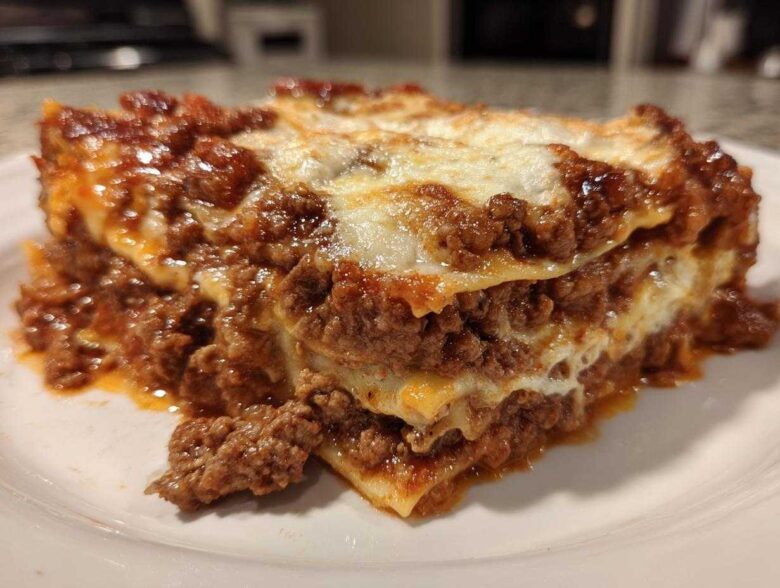
When you need a truly comforting meal, nothing beats a towering slice of homemade lasagna. Forget those flimsy frozen trays or overly fussy restaurant versions; I’m sharing the recipe that everyone in my family asks for, especially when a big Sunday dinner is on the menu. This is my absolute best, easy homemade lasagna recipe, sticking firmly to that rich, classic Italian American flavor profile with the perfect balance of meaty sauce, creamy ricotta, and lakes of melty mozzarella.
I swear by this method because it cuts out all the confusing steps while keeping all the flavor. I remember the first time I made it for my in-laws—they thought it came straight from a red-checkered tablecloth restaurant! It’s the dish that solves everything, from birthdays to just surviving a tough Tuesday. Seriously, grab your 9×13 dish, because we are building a masterpiece.
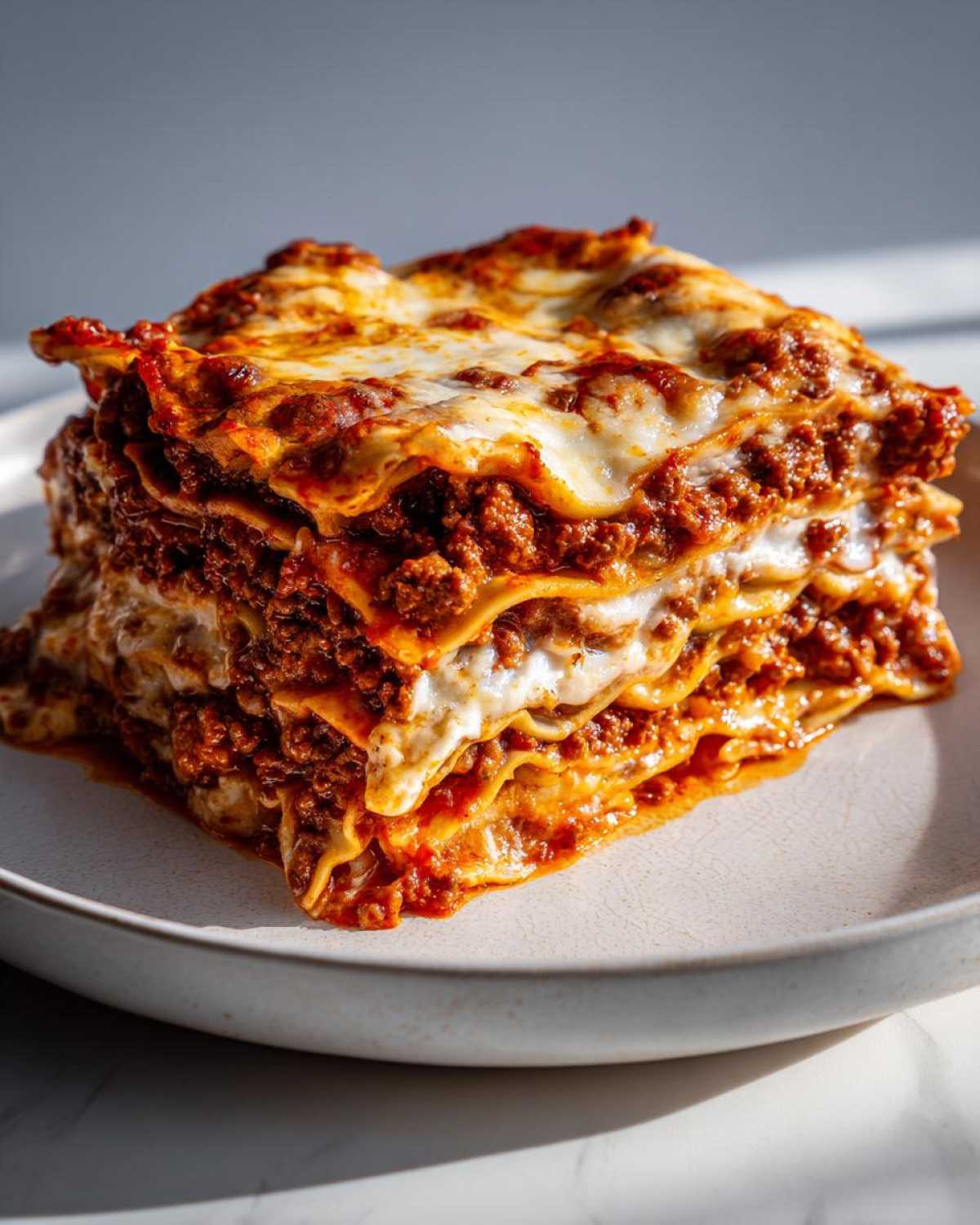
Why This Easy Homemade Lasagna Recipe Works for Family Dinner Italian
Look, I love a good cooking challenge, but when it comes to feeding the family during the week, I need efficiency that doesn’t taste like a shortcut. This lasagna recipe delivers on its promise to be an easy homemade lasagna that tastes like you spent all day on it. It’s the real deal when it comes to classic, hearty Comfort Food Dinners.
Most store-bought versions are watery or use strange fillers. Not ours! We keep the sauce rich with good ground beef and use a simple, seasoned ricotta mixture that never fails. Trust me, this is the foundation for every great Family Dinner Italian night. It layers up beautifully and requires zero fuss, which is why it’s always the first thing I reach for when company is coming over.
Ingredients for the Best Lasagna with Ricotta
Okay, let’s talk about the players on our team! For the best flavor in your Best Lasagna with Ricotta, you want quality, but you don’t need a dozen obscure items. Everything here is simple, pantry-friendly muscle that creates that signature, comforting texture. This particular recipe relies heavily on getting that ricotta layer just right—it’s the creamy backbone holding the whole operation together!
We use a standard store-bought sauce to keep things fast, but we punch it up with beef and seasoning. Make sure you have your mozzarella divided; that’s key for even melting across the layers. Here’s exactly what you need:
- 1 pound ground beef
- 1 (24 ounce) jar marinara sauce
- 1 (15 ounce) container ricotta cheese
- 1 large egg
- 1/4 cup grated Parmesan cheese
- 1 teaspoon dried Italian seasoning
- 1/2 teaspoon salt
- 1/4 teaspoon black pepper
- 12 lasagna noodles, cooked according to package directions
- 4 cups shredded mozzarella cheese, divided
Ingredient Notes and Substitutions for Perfect Lasagna
A quick word on a few items before we start mixing! For the ricotta, I always recommend using whole milk if you can swing it. It’s richer, holds its shape better when baked, and resists that watery texture some people complain about. If you only have part-skim, no biggie, but whole milk is chef’s kiss.
Also, remember that note in the recipe details? If you absolutely hate ricotta, you can swap it one-for-one with cottage cheese. It gives the filling a slightly different, grainier texture, but many people love that variation! And for those noodles—please cook them exactly as the box says. Undercooked noodles turn into concrete when you bake them later, and nobody wants to saw through their dinner.
How to Make Lasagna from Scratch: Simple Lasagna Cooking Steps
Alright, deep breaths! This is the fun part where all those prepped ingredients become one glorious, cheesy entity. Making this classic lasagna from scratch is way easier than you think. We are sticking strictly to the five core steps: sauce, ricotta mix, layering, baking, and the all-important resting period. Make sure your oven is set to 375 degrees Fahrenheit; we want it hot and ready before we even think about putting the aluminum foil cover on.
Preheating that oven right now means no waiting later! Grab that 9×13 dish and give it a quick grease. I like using a little cooking spray, honestly, just to be safe.
Preparing the Ground Beef Lasagna Sauce
First things first, the meat. Drop that pound of ground beef right into your skillet over medium heat. You need to break it up well while it browns so you don’t end up with giant clumps in your finished layers. Once it’s totally browned, carefully drain off any grease—we want beef flavor, not an oil slick! Pour in your jar of marinara sauce and let the whole thing simmer gently for about five minutes. This little simmer time lets the meat soak up all that yummy tomato flavor. When it’s done, pull it off the heat.
Assembling Your Layered Pasta Casserole
Now we build! This is where being organized pays off. First, spread a *thin* layer of the meat sauce right across the bottom of your prepared pan. You absolutely must do this thin layer first, or the bottom noodles will stick and get all tough later. Next, lay down four of your cooked noodles—don’t overlap them too much!
Time for the creamy filling. In your bowl, mix that ricotta, egg, Parmesan, seasoning, salt, and pepper until it’s completely uniform. Spread *half* of that ricotta mixture right over those noodles. Don’t skip a corner! Then, sprinkle on one-third of your mozzarella. Now, spoon half of the remaining meat sauce on top of the cheese.
Repeat that entire stack once more: four more noodles, the rest of the ricotta, another third of the mozzarella, and the rest of your sauce. For the top layer, place your final four noodles down, spread any leftover sauce you might have thinly across them, and then—the grand finale—sprinkle that last bit of mozzarella cheese over the top. Look at that beautiful Layered Pasta Casserole!
Baking and Resting Your Cheesy Baked Pasta
Cover that whole thing TIGHTLY with aluminum foil—don’t let the foil touch the cheese directly if you can help it. Pop it into your preheated 375°F oven and let it cook covered for 25 minutes. This steam traps in the moisture and cooks everything through gently.
After that initial bake, carefully pull the foil off. We want that gorgeous golden crust! Bake it uncovered for another 15 to 20 minutes until that cheese is bubbly and that beautiful brown top starts to form. Here’s the non-negotiable part for perfect slices: you MUST let it rest. Pull the cheesy baked pasta out of the oven and let it sit on the counter for a full 10 minutes before you slice into it. If you skip this, the whole thing turns into a sloppy mess on your plate!
Make Ahead Lasagna and Freezer Friendly Meals Tips
One of the best things about making a big pan of this comforting lasagna is knowing you have dinner covered for days! This recipe is absolutely built for easy prep, making it one of my go-to Make Ahead Lasagna recipes. If you assemble the whole thing—sauce, noodles, cheese, everything—but skip the baking, you can cover it tightly with plastic wrap and stick it right in the fridge for up to 24 hours. When you’re ready to bake it cold, just toss it in the oven covered for about 35 minutes instead of 25!
If you want to make it a true Freezer Friendly Meal, use a disposable foil pan—it makes life so much easier. Cover it incredibly well with two layers of foil. You can freeze it assembled for up to three months. If you bake it right from frozen, you’ll need to add about 30 minutes to the initial covered baking time. It’s the perfect strategy for busy weeks!
Serving Suggestions for Classic Lasagna Recipe
You’ve made this incredible, rich Italian American dinner—but what goes on the side? Since this Classic Lasagna Recipe is so hearty, you don’t want to weigh everyone down with heavy sides. I always keep it simple so the lasagna shines!
A light, crisp Italian salad dressed with a sharp vinaigrette is perfect for cutting through that richness. A simple garden salad with romaine, pepperoncini, and a little red onion does the trick. And you absolutely need some bread! Grab a loaf of crusty Italian bread or even some garlic breadsticks for dipping up any extra sauce left on the plate. Trust me, you won’t have much left, but you’ll need the bread just in case!
Storage and Reheating Instructions for Leftover Lasagna
First off, if you have leftovers, you’ve won the meal prep lottery for the week! Leftover lasagna is somehow even better the next day—all those flavors have really settled in together overnight. When it comes to storing it, ditch the foil you baked it in unless you’re freezing the whole thing. For refrigerated leftovers, you want an airtight container. Glass containers are my favorite because they reheat evenly, but even a sturdy plastic container works fine.
When you put your slices away, try to keep them separated by parchment paper if you can. That way, when you grab just one slice for lunch tomorrow, it doesn’t stick to the others. It lasts great in the fridge for about four days max.
Reheating is where people mess up! Throwing a slice in the microwave uncovered dries it out instantly. My secret—and this is for any cheesy baked pasta leftovers—is to splash just a teaspoon of water or a tiny bit of extra marinara sauce right over the top of the slice before nuking it. Cover the plate loosely with a damp paper towel. This traps the steam and keeps that mozzarella creamy instead of rubbery.
For oven reheating, which I prefer for a bigger batch, cover the dish tightly with foil and set it to 350 until it’s heated through, maybe 20 minutes. If the top looks like it might burn, pull the foil off for the last five minutes. That way, you get that perfect gooey texture back without scorching the edges!
Troubleshooting Common Lasagna Issues
Even with the simplest recipe, sometimes things go a little sideways in the oven! Don’t panic if your amazing Ground Beef Lasagna isn’t behaving exactly as planned. I’ve run into every single one of these issues over the years, and I’ve learned a few tricks to rescue the bake. Most problems come down to moisture control, which is the number one battle in making any great layered pasta casserole.
Why is my lasagna watery?
This is the most frequent complaint, and it almost always comes down to one of two culprits: the ricotta mix or the sauce. If you used part-skim ricotta, it naturally holds more water. Make sure you drained any excess liquid from the ricotta container before mixing in the egg and cheese. Also, if you used fresh mozzarella instead of the bagged stuff, you need to pat it dry or tear it up way ahead of time so it releases its liquid before it hits the pan.
If your meat sauce was too thin to start with (maybe you added too much water when rinsing the beef, or used an extra watery jarred sauce), that liquid has to go somewhere! The key in the assembly step is making sure that *initial* bottom layer of sauce is thin, and that you don’t leave any pools of sauce that aren’t covered by noodles.
My noodles stuck to the bottom of the pan! Help!
Oh, the horror of pulling up half the bottom layer when you try to serve it! This means you didn’t put enough sauce down first. Remember what I said about that thin base layer in the instructions? It acts as a barrier, almost like a non-stick foundation for your cheesy baked pasta. If you see a dry spot on the bottom of the pan before you layer the noodles, go ahead and swipe a little extra meat sauce there. It’s better to be saucy on the bottom than dry!
Why didn’t my cheese melt evenly?
If your mozzarella melted but didn’t get that beautiful, bubbly golden top, this usually happens because you didn’t bake it long enough uncovered, or your oven isn’t heating right. If your cheese looks pale but everything inside is cooked through, just uncover the pan and give it an extra 5 to 8 minutes on high heat, maybe even switching the rack up one level.
Also, think about temperature! If you assembled your Family Dinner Italian masterpiece and let it sit on the counter for two hours before baking, the cheese on top might start drying out before the center even warms up. Try to bake your lasagna (whether cold, room temp, or fresh) within an hour of assembly for the best results.
Frequently Asked Questions About This Lasagna
It happens every time I share this recipe—people get so excited, but a few little questions always pop up! That’s totally normal when dealing with a classic like this. I’ve compiled the most common things I hear about my Classic Lasagna Recipe, so you can bake with confidence.
Can I use cottage cheese instead of ricotta?
Yes, absolutely you can! As I mentioned above, cottage cheese is my go-to substitution if someone doesn’t have ricotta on hand or prefers the texture. Functionally, it works perfectly fine in the layering process. Since cottage cheese tends to be a bit wetter, I usually strain mine in a fine-mesh sieve for about 20 minutes before mixing it with the egg and Parmesan. You don’t want excess water sweating out into the bake. It still gives you that wonderful creamy middle for your Easy Homemade Lasagna!
What kind of noodles work best for this lasagna?
For this particular Layered Pasta Casserole, the standard, flat, oven-ready lasagna noodles are an absolute lifesaver. However, if you’re using the traditional ones—the ones you boil first—just make sure you are cooking them to a very firm *al dente*. They need to be pliable enough to bend into the pan layers but still have some bite left. If they feel mushy when they come out of the boiling water, they will fall apart when you layer them with the meat sauce!
Can I make this vegetarian?
You definitely can shift this into a delicious vegetarian offering! When I’m skipping the meat, I usually substitute the pound of ground beef with 16 ounces of brown or green lentils, cooked until tender, or a good quality plant-based ground substitute. If you use lentils, make sure to toss them with a bit of smoked paprika and maybe a teaspoon of fennel seed when you simmer them in the marinara sauce. That gives you that rich, savory depth that you lose when you take out the beef. It keeps the integrity of the Italian American Recipes flavor profile!
Do I have to use a 9×13 pan for this recipe?
While 9×13 inches is the perfect size for 8 generous servings, you can absolutely adjust! If you use two 8×8 pans instead, you’ll get thicker, taller slices, but you might have a little extra sauce or cheese left over. If you use two smaller pans, you might need to reduce the baking time by about 5 minutes on each stage. The key to making this a fantastic Comfort Food Dinner is the deep layering, so stick to the deepest pan you have for the best visual effect!
Nutritional Estimate for Your Lasagna Serving
Alright, let’s talk numbers, because sometimes after inhaling three layers of pasta and cheese, you just want to know what you’re dealing with! I’ve compiled the general nutritional breakdown for one slice of this magnificent lasagna based on the standard ingredients listed. Remember this is just an estimate—if you decide to triple the mozzarella (and who could blame you?), these numbers are going to swing wildly!
This is rich, satisfying food, so don’t expect it to be light, but it packs a serious protein punch thanks to all that beef and the ricotta mix. It provides great fuel for a busy family schedule!
Here is the snapshot per serving:
- Serving Size: 1 slice
- Calories: 550
- Fat: 30g
- Saturated Fat: 15g
- Sodium: 850mg
- Carbohydrates: 45g
- Fiber: 4g
- Protein: 32g
- Sugar: 12g
A quick word of caution, though: since we are using jarred sauce and plenty of Parmesan cheese, the sodium content is up there. I always try to cut back slightly on the added salt in the ricotta mixture if I know my jarred sauce is on the saltier side. Just a little trick for managing that!
Disclaimer Alert: Please remember these values are calculated based on the standard recipe yields and ingredients specified. If you substitute ground beef for turkey, swap whole milk with part-skim ricotta, or sneak in extra veggies, the final count will change!
PrintEasy Classic Homemade Beef Lasagna
A simple recipe for a rich, layered pasta casserole featuring ground beef meat sauce, creamy ricotta, and melted mozzarella cheese, perfect for family meals.
- Prep Time: 20 min
- Cook Time: 45 min
- Total Time: 65 min
- Yield: 8 servings
- Category: Dinner
- Method: Baking
- Cuisine: Italian American
- Diet: Vegetarian
Ingredients
- 1 pound ground beef
- 1 (24 ounce) jar marinara sauce
- 1 (15 ounce) container ricotta cheese
- 1 large egg
- 1/4 cup grated Parmesan cheese
- 1 teaspoon dried Italian seasoning
- 1/2 teaspoon salt
- 1/4 teaspoon black pepper
- 12 lasagna noodles, cooked according to package directions
- 4 cups shredded mozzarella cheese, divided
Instructions
- Preheat your oven to 375 degrees Fahrenheit. Lightly grease a 9×13 inch baking dish.
- Brown the ground beef in a large skillet over medium heat. Drain off any excess grease.
- Stir the marinara sauce into the ground beef. Bring the sauce to a simmer and cook for 5 minutes. Remove from heat.
- In a medium bowl, mix together the ricotta cheese, egg, Parmesan cheese, Italian seasoning, salt, and pepper until combined.
- Spread a thin layer of the meat sauce on the bottom of the prepared baking dish.
- Arrange four cooked lasagna noodles over the sauce layer.
- Spread half of the ricotta mixture evenly over the noodles.
- Sprinkle one-third of the mozzarella cheese over the ricotta layer.
- Spoon half of the remaining meat sauce over the mozzarella.
- Repeat the layers: 4 noodles, the remaining ricotta mixture, one-third of the mozzarella, and the remaining meat sauce.
- Top with the final 4 noodles. Spread any remaining sauce lightly over the top noodles.
- Sprinkle the remaining mozzarella cheese over the top layer.
- Cover the dish tightly with aluminum foil.
- Bake for 25 minutes. Remove the foil and bake for an additional 15 to 20 minutes, or until the cheese is melted and lightly browned.
- Let the lasagna rest for 10 minutes before slicing and serving.
Notes
- You can assemble this lasagna completely ahead of time. Cover tightly and refrigerate for up to 24 hours before baking. Add 10 minutes to the covered baking time if baking straight from the refrigerator.
- For a freezer-friendly meal, assemble the lasagna in a disposable aluminum pan, cover tightly with two layers of foil, and freeze for up to 3 months. Thaw overnight in the refrigerator before baking, or add about 30 minutes to the covered baking time if baking from frozen.
- Use cottage cheese instead of ricotta cheese for a slightly different texture.
Nutrition
- Serving Size: 1 slice
- Calories: 550
- Sugar: 12
- Sodium: 850
- Fat: 30
- Saturated Fat: 15
- Unsaturated Fat: 15
- Trans Fat: 1
- Carbohydrates: 45
- Fiber: 4
- Protein: 32
- Cholesterol: 90