

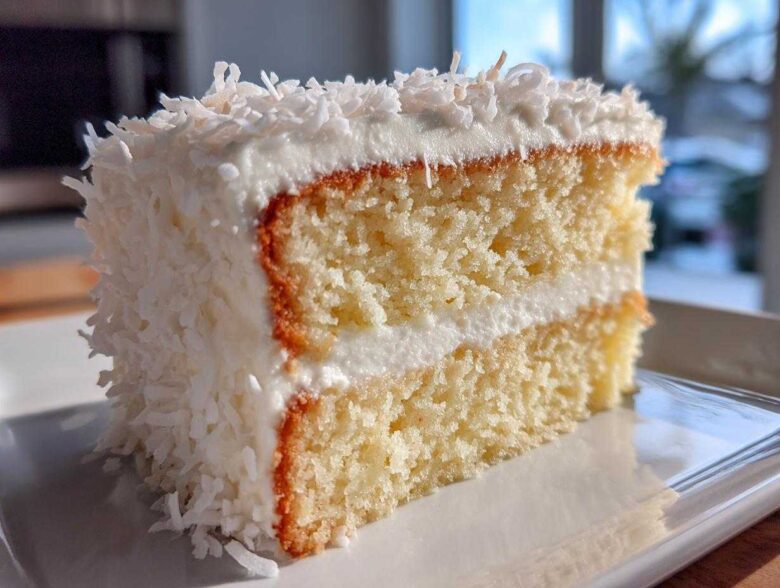
When I think about classic Southern baking, I picture something that’s rich, deeply comforting, and absolutely beautiful—a showstopper you bring out for the big holidays. That’s exactly what we have here with The Best Moist & Fluffy Southern Coconut Cream Cake. I did all the research, plotting out the perfect ratios for a truly bakery-style coconut cake, but when Jacob stepped in, he just had that intuitive sparkle that took it from good to unbelievable. Honestly, he makes the most amazing coconut cake without even looking at a timer, which is still magic to me! This recipe is the perfect blend of my planning and his culinary confidence, and now it belongs in our Taste Portfolio.
Why This Southern coconut cake Recipe is a Must-Try
We needed a true showstopper for our anniversary party, and this moist coconut cake recipe delivered! What sets this apart is how we nailed that elusive combination: incredibly tender cake layers that aren’t dense, paired with a frosting that tastes rich but somehow feels light. Forget those dry coconut cakes you might have tried before. This one is truly special, embodying that classic, cloud-like quality you usually only find in the best bakeries. It’s why we’re calling it our definitive bakery style coconut cake. If you loved the planning behind how we perfected that bakery-style blueberry muffin recipe, you’ll appreciate the method here!
Achieving the Light Fluffy coconut cake Texture
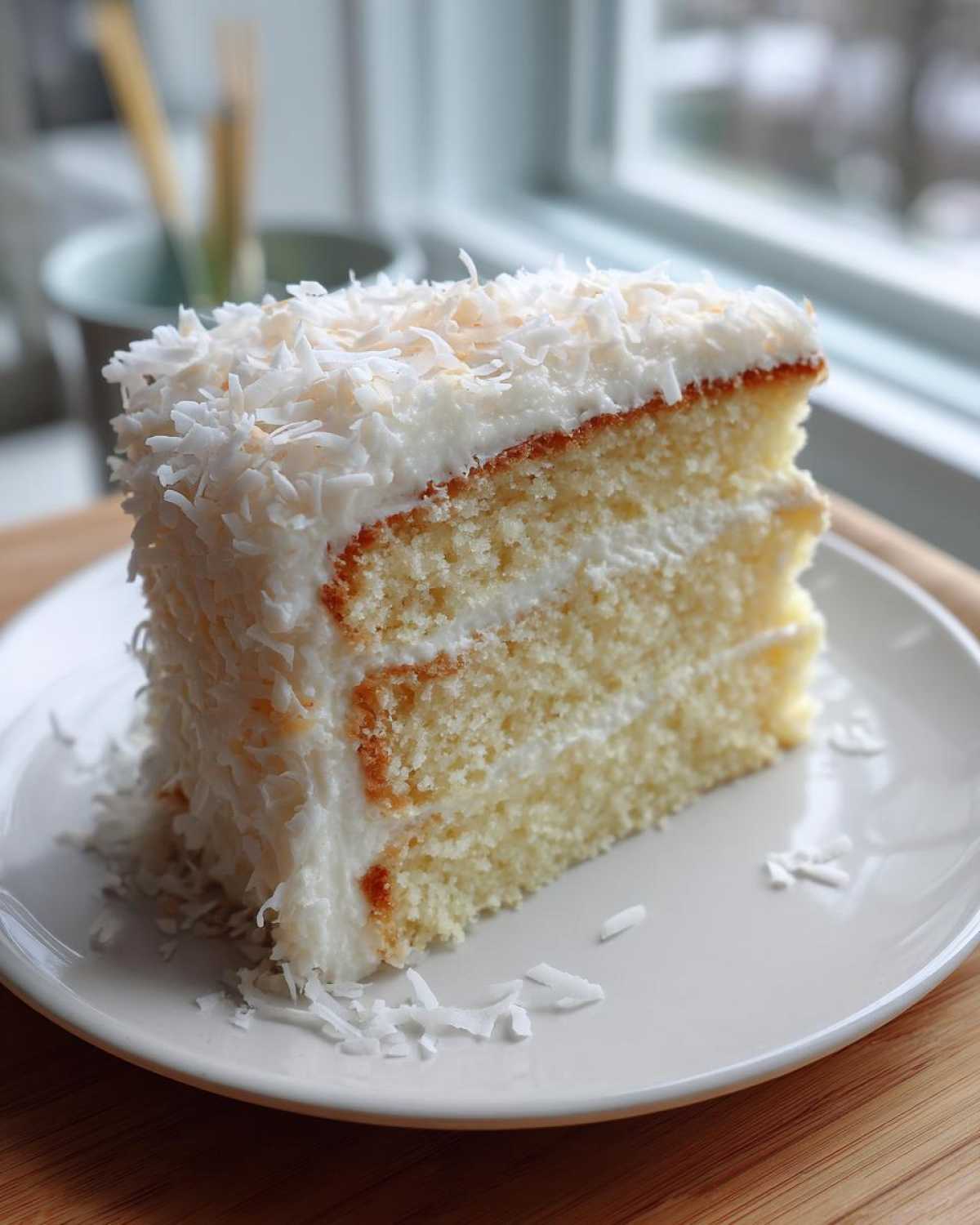
The secret weapon here is patience with temperature. Make sure your egg whites and milk are fully room temperature; this lets them incorporate air beautifully. Then, when we beat those egg whites separately and fold them in? Wow. That step is what gives us those ethereal, light fluffy coconut cake layers that just melt away. Don’t rush it; that fluffiness is earned!
The Dreamy coconut frosting Homemade Difference
Oh, the frosting. This is where Jacob refuses to compromise! We use cream cheese along with the butter, and trust me, that tiny bit of tang cuts through the sweetness perfectly. It stabilizes the frosting so it holds its shape for stacking, but it keeps that dreamy, airy texture we’ve come to expect from a top-tier coconut cream cake recipe. You just can’t beat homemade.
Gathering Ingredients for Your Moist coconut cake Recipe
Okay, now for the fun part—gathering our supplies! I love organizing everything into bowls before we start mixing; it keeps us moving quickly once we’re in the zone. When you’re aiming for that top-tier moist coconut cake texture, the quality and temperature of your ingredients make a huge difference. Every detail counts here, from the butter being perfectly softened to making sure we use that full-fat coconut milk for the creamiest finish. We’re dividing everything between the cake layers and the frosting so we don’t mix up our timelines!
For the Light Fluffy cake Layers
- 1 3/4 cups all-purpose flour
- 1 3/4 cups granulated sugar
- 1 tablespoon baking powder
- 1/2 teaspoon salt
- 1 cup unsalted butter, softened
- 4 large egg whites, room temperature
- 1 cup whole milk, room temperature
- 1 teaspoon vanilla extract
- 1/2 cup unsweetened shredded coconut, finely chopped (This is important—finely chopped blends better!)
- 1/4 cup coconut extract
- 1/2 cup coconut milk (from a can, full fat)
For the Rich coconut frosting Homemade
This frosting is what makes it a true coconut cream cake recipe, so be precise!
- 1 cup (2 sticks) unsalted butter, softened
- 4 cups powdered sugar, sifted (Make sure it’s sifted so we avoid lumps!)
- 1/2 cup cream cheese, softened
- 1 teaspoon vanilla extract
- 1/4 cup coconut extract
- 1/2 cup sweetened flaked coconut, for coating (for that snowy finish!)
Once we have these ready, we can move straight into the prep. If you’re looking for other great foundational recipes to build on, check out my notes on making the ultimate fluffy vanilla buttercream—the base technique is similar!
Step-by-Step Instructions for the Best coconut cake
This is where the planning meets the art, folks! Baking the perfect coconut layer cake from scratch takes a little focus, but trust me when I say it’s worth every minute. We have three distinct phases here—getting those layers baked perfectly, whipping up that cloud-like frosting, and then putting it all together so it looks as amazing as it tastes. Stick closely to the timing on the cooling; that’s half the battle when you’re working with delicate cake layers!
Preparing and Baking the coconut layer cake
First things first, turn that oven on right now—we need it at 350°F (175°C). Before you do anything else, prep those pans! I mean it—grease them up well, flour them, and then cut perfect circles of parchment paper for the bottom of all three 8-inch rounds. This is our fail-safe insurance against sticking! In a big bowl, whisk your flour, sugar, baking powder, and salt together. Now, here is Jacob’s trick: add the softened butter to those dry guys and beat it on low speed until it really looks like coarse, pale sand. That aerates the flour right from the start.
In a separate bowl, gently whisk your room-temperature egg whites, milk, vanilla, finely chopped coconut, and that gorgeous coconut extract. Now, add this wet mixture back into that sandy butter mixture in three slow additions. Mix on medium speed until it’s *just* combined—I mean it, stop when you barely see streaks of flour left! Overmixing is the enemy of those light fluffy cake layers. Divide that beautiful batter evenly, pop them in the oven, and bake for about 25 to 30 minutes. Test one with a toothpick; when it comes out clean, they are done! Cool them in the pan for exactly 10 minutes before flipping them onto a rack to cool completely. Completely cool, guys—or the frosting melts!
Making the Dreamy coconut cream cake frosting
While the layers are cooling down—which gives you a nice mini-break—it’s time for the crowning glory: the frosting. Get your softened butter, cream cheese, and sifted powdered sugar into the mixer. Beat that on medium speed until it looks creamy, but don’t stop there!
Once you have that smooth base, add the canned coconut milk, vanilla, and coconut extract. Turn the speed up to medium-high and let it whip for a solid three minutes. Seriously, that extra whizzing time is what turns a normal buttercream into that impossibly dreamy coconut frosting homemade. It should look ultra-light and fluffy!
Assembling Your Homemade coconut cake
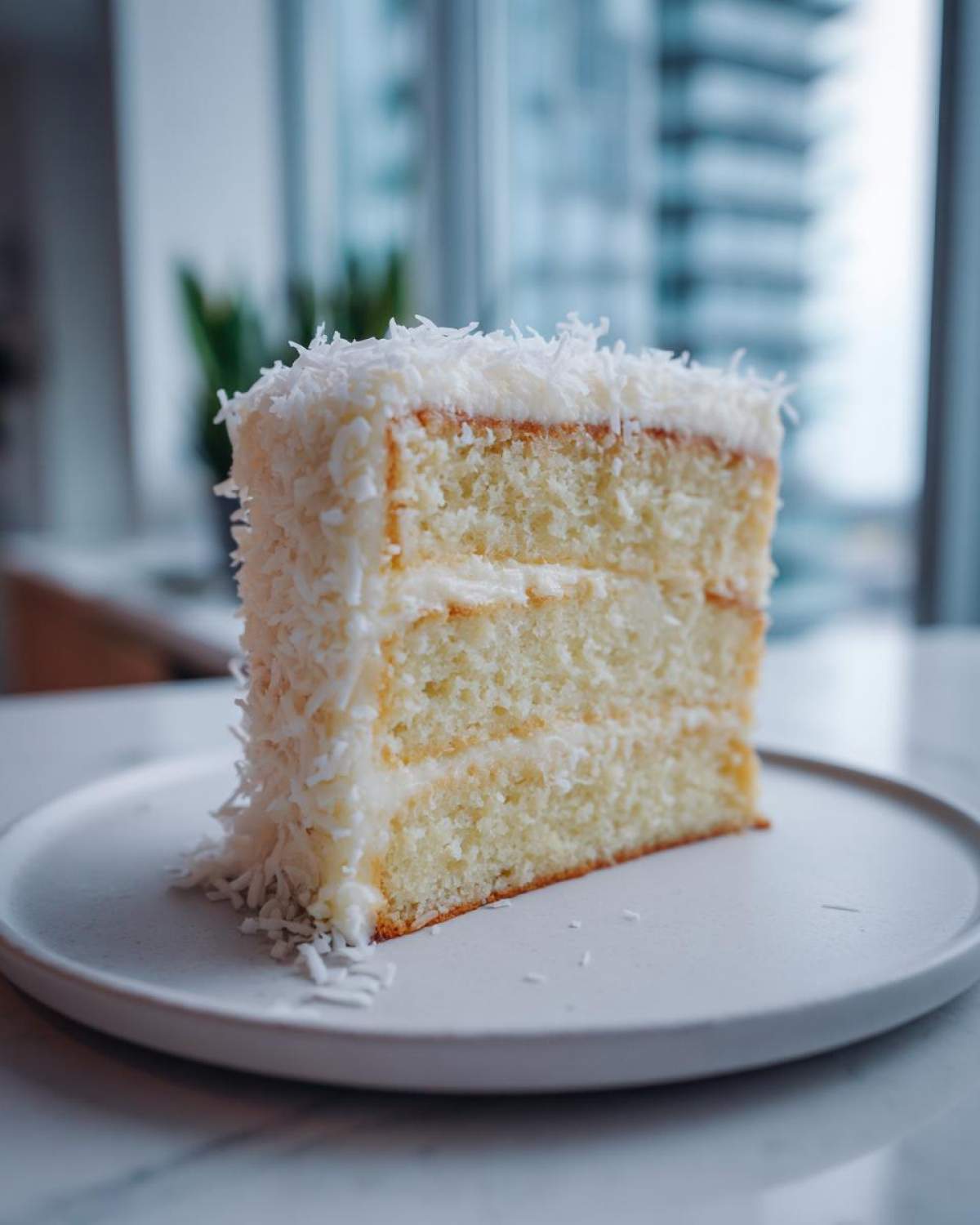
The assembly needs a steady hand, which is where Jacob usually takes over aesthetics. Take one cooled layer and put it on your final serving plate. Spread a nice, even layer (about a cup) of that luscious coconut frosting over the top. Repeat with the second layer. Place the final layer on top. Now, cover everything—top and sides—with the rest of that fluffy frosting. Don’t be shy with it!
The final signature move: gently press that sweetened flaked coconut all over the outside so it looks like a snowy tropical dream. This cake is structurally sound enough to eat right away, but I insist you cover it loosely and chill it for at least 30 minutes. That chilling step is key to giving the whole homemade coconut cake the perfect texture when you slice into it; it just holds together so much better!
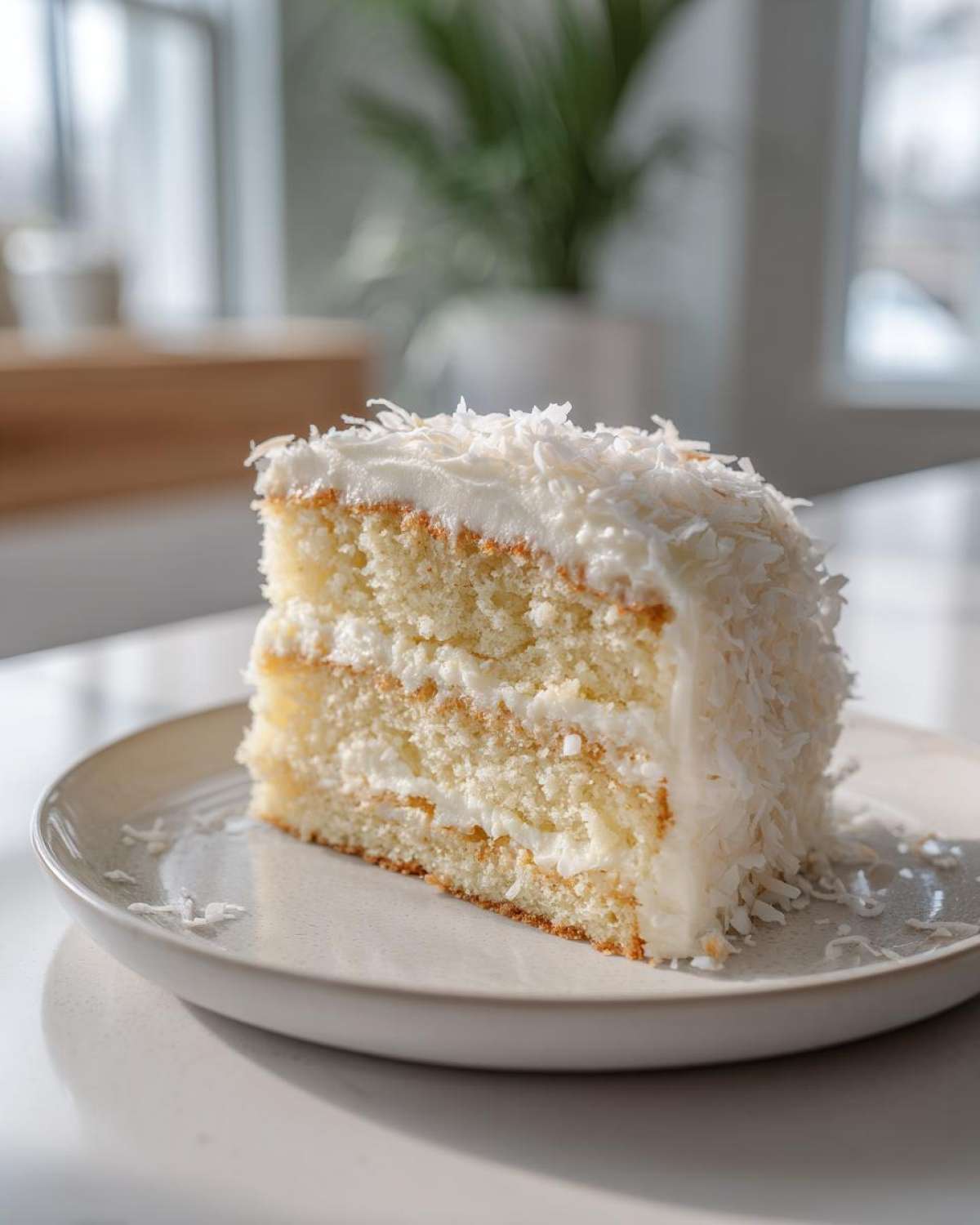
If you want more guidance on making beautiful stacked cakes that don’t fall over, check out my notes on easy layer cake recipes for structural tips!
Jacob’s Pro Tips for a Perfect coconut cake
Even though I’m the planner, Jacob shines when we get to the finesse work—the little tricks that elevate a standard recipe into something truly special. He swears by a few small things that I want to share with you now because perfecting this coconut cake is all about the details. These tips, pulled straight from our recipe notes, guarantee you get that professional, bakery-quality result! Make sure to check out more of our favorite baking projects over on the blog section!
Boosting Moisture in Your coconut cake
If you’re planning on making this ahead of time, listen up! The recipe notes suggested a little secret weapon: after your cake layers are completely cool, take a minute to gently brush the tops of each one layer with a mix of 1/4 cup coconut milk and 1 teaspoon of coconut extract. It sounds small, but this soak-up makes the entire moist coconut cake recipe even more intensely flavorful and tender the next day. It’s like giving your cake an extra little spa treatment before frosting!
Ingredient Substitutions for this Tropical coconut dessert
Jacob sometimes likes to experiment, especially if we’re out of butter. He noted that you can swap in coconut oil for some of the butter in the cake layers, keeping a 1:1 substitution ratio. Now, be warned: butter offers that classic richness, but coconut oil leans into that tropical coconut dessert vibe even harder. Me? I’d stick to the butter for the frosting every time, but hey, that’s why we blog—to test the boundaries!
Also? For that frosting, always reach for the full-fat canned coconut milk. The watery kind just doesn’t give you that thick, creamy texture we need for this beautiful fluffy coconut cake.
Variations on the Classic coconut dessert
You know me, Amelia loves a good blueprint, but Jacob always brings the creative flair! While this layer cake version is truly the best, sometimes you need a different shape for the event. If you’re looking for something simpler for a casual gathering, this recipe adapts beautifully. You can take this exact batter and pour it into a greased and floured Bundt pan—hello, gorgeous coconut bundt cake! Just watch the baking time, it will take longer to set up in the center.
Or, if you want to lean into that fun, playful vibe, this cake base is shockingly good as a coconut cream poke cake. Once baked, just poke holes all over and pour in some extra thinned frosting while it’s warm. That extra moisture delivery system is heavenly!
Serving Suggestions for Your Southern coconut cake
This stunning Southern coconut cake deserves the perfect companion! Because the flavor is so rich and tropical, I love keeping accompanying drinks light. A cool glass of homemade lemonade or maybe a sparkling water with lime really cuts through the richness of our coconut cream cake recipe.
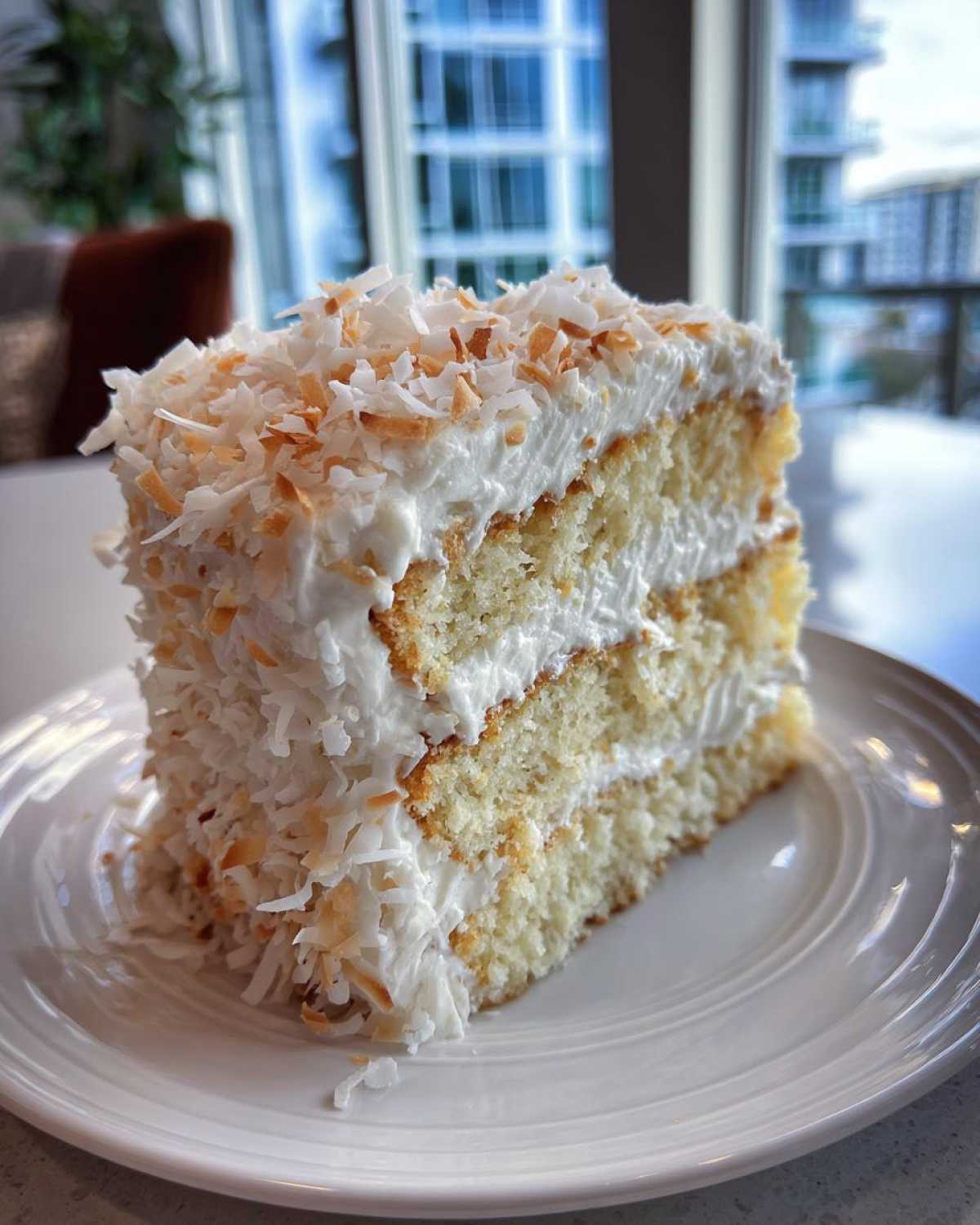
If you’re looking for unique birthday cake ideas coconut, try setting the slice next to a small bowl of mango salsa—the bright fruit lifts everything up! And for holiday gatherings, I always serve it alongside our tart cranberry apple cider punch. It’s just divine!
Storing Leftovers of Your Fluffy coconut cake
Now, I know this amazing fluffy coconut cake never lasts long, but if, by some miracle, you have slices left over, we need to store this beauty smart so it stays moist!
Because we used that divine, heavy coconut frosting homemade—the one with the cream cheese and butter—you absolutely need to treat this like a dairy situation. Don’t leave it sitting on the counter for hours! Cover the cake plate tightly with plastic wrap or put the slices into an airtight container. Then, slip it into the refrigerator. It’s going to last beautifully for three or maybe four days this way, which is perfect for enjoying bites the next morning!
Here’s the crucial bit from Jacob: the cold really firms up that creamy frosting, which makes slicing easier, but it also dulls the flavor slightly. Never serve refrigerated coconut cake straight from the fridge! Pull the slices—or the whole cake—out onto the counter about 45 minutes before you plan to eat them. That warming time lets the butter soften back up, bringing out all that tropical flavor and returning that tender, moist texture we worked so hard to achieve. Trust me, waiting those extra few minutes is the difference between a good bite and an absolute dessert dream!
Frequently Asked Questions About Making a coconut cake
I always get a ton of questions after I share one of our showstopper recipes, and The Best Moist & Fluffy Southern Coconut Cream Cake seems to inspire a lot! I’ve pulled the most common ones I see in the comments right here. Don’t worry if you’re new to layer cake baking; we broke this down to be as simple as possible for everyone!
Can I use fresh coconut instead of shredded in this moist coconut cake recipe?
That’s a great question, because fresh coconut is beautiful! If you are using fresh, unsweetened coconut, you will definitely need to adjust the sugar balance in the recipe to compensate. Fresh coconut holds a lot more moisture naturally than shredded varieties, and it’s usually coarser. If you swap it in, I’d only use about 3/4 of the volume compared to shredded, and I’d highly recommend running that fresh coconut through a food processor a few quick pulses just to break it down a little—otherwise, those big chunks might throw off the structure of your moist coconut cake recipe layers. It’s easier to stick to the shredded for consistency, honestly!
How do I prevent the coconut frosting from becoming too soft?
This is all about temperature management, especially since we’re using cream cheese! First, when you are whipping the coconut frosting homemade, make sure your butter and cream cheese are softened, but not greasy or warm. Once it’s fluffy, we use the chilling time to our advantage. After you’ve frosted the whole cake, you MUST chill it uncovered for at least 30 minutes before you press the final coconut flakes on. Covering it too soon traps moisture and steam, which softens the frosting immediately. Chilling firms up that butter/cream cheese structure beautifully, guaranteeing you have a stable, gorgeous exterior, perfect for slicing!
Is this recipe suitable for an easy layer cake recipes rotation?
Absolutely, yes! I totally get that sometimes you need impressive results without a whole afternoon commitment. While this sounds like a super complicated, bakery-style coconut cake, it really isn’t! Because we use the creaming method efficiently and the baking time is short for three thinner layers, the active prep time isn’t bad at all. You aren’t messing with yeast or complex techniques at all. If you can cream butter and sugar, you can nail this! It definitely deserves a spot in your go-to rotation for easy layer cake recipes, especially since the leftovers are so good.
If you’re interested in other simpler cake ideas, I put together a whole set of tips in my guide on other easy baking projects you might enjoy!
Nutritional Estimates for This Homemade coconut cake
Okay, deep breaths everyone! I know we bake for flavor and love, not for the numbers, but I always like to give a little heads-up on what we’re putting out there. Since Jacob and I are firm believers in transparency (it’s part of our whole portfolio concept!), here are the estimated nutritional facts for one slice of this incredible homemade coconut cake.
Please remember these are just rough approximations based on the standard ingredients list above. Every brand of butter or coconut milk is a little different, so take these charts as a helpful guideline and check out our full site disclaimer for more details!
- Serving Size: 1 slice
- Calories: 450
- Total Fat: 24g
- Saturated Fat: 15g
- Trans Fat: 0.5g
- Cholesterol: 65mg
- Sodium: 250mg
- Total Carbohydrates: 60g
- Dietary Fiber: 2g
- Total Sugars: 55g
- Protein: 5g
So, yes, it’s rich—it’s got butter and cream cheese, which makes it heavenly! But look at that texture profile; it proves why this coconut cake is worth every single delicious, fluffy calorie!
PrintThe Best Moist & Fluffy Southern Coconut Cream Cake
Bake a show-stopping Southern Coconut Cream Cake that is light, fluffy, and incredibly moist. This bakery-style layer cake features tender coconut-infused layers and a rich, dreamy coconut cream frosting, making it perfect for any celebration.
- Prep Time: 35 min
- Cook Time: 30 min
- Total Time: 65 min
- Yield: 12 servings
- Category: Dessert
- Method: Baking
- Cuisine: American
- Diet: Vegetarian
Ingredients
- 1 3/4 cups all-purpose flour
- 1 3/4 cups granulated sugar
- 1 tablespoon baking powder
- 1/2 teaspoon salt
- 1 cup unsalted butter, softened
- 4 large egg whites, room temperature
- 1 cup whole milk, room temperature
- 1 teaspoon vanilla extract
- 1/2 cup unsweetened shredded coconut, finely chopped
- 1/4 cup coconut extract
- 1/2 cup coconut milk (from a can, full fat)
- 1 cup (2 sticks) unsalted butter, softened
- 4 cups powdered sugar, sifted
- 1/2 cup cream cheese, softened
- 1 teaspoon vanilla extract
- 1/4 cup coconut extract
- 1/2 cup sweetened flaked coconut, for coating
Instructions
- Preheat your oven to 350°F (175°C). Grease and flour three 8-inch round cake pans. Line the bottoms with parchment paper circles.
- In a large bowl, whisk together the flour, sugar, baking powder, and salt.
- Add the softened butter to the dry ingredients. Beat on low speed until the mixture resembles coarse sand.
- In a separate bowl, whisk together the egg whites, milk, vanilla extract, finely chopped coconut, and coconut extract.
- Gradually add the wet mixture to the dry mixture in three additions, mixing on medium speed until just combined after each addition. Do not overmix.
- Divide the batter evenly among the prepared cake pans.
- Bake for 25 to 30 minutes, or until a toothpick inserted into the center comes out clean.
- Let the cakes cool in the pans for 10 minutes before inverting them onto a wire rack to cool completely.
- Prepare the Coconut Cream Frosting: In a large bowl, beat the softened butter, cream cheese, and powdered sugar together until smooth and creamy.
- Add the coconut milk, vanilla extract, and coconut extract. Beat on medium-high speed until the frosting is light and fluffy, about 3 minutes.
- Assemble the cake: Place one cooled cake layer on a serving plate. Spread about 1 cup of frosting evenly over the top. Repeat with the second layer. Place the final layer on top.
- Frost the top and sides of the entire cake with the remaining frosting.
- Gently press the sweetened flaked coconut onto the top and sides of the cake for a snowy finish.
- Chill the cake for at least 30 minutes before slicing and serving for the best texture.
Notes
- For extra moist layers, you can brush the cooled layers lightly with a mixture of 1/4 cup coconut milk and 1 teaspoon coconut extract before frosting.
- Use full-fat canned coconut milk for the creamiest frosting texture.
- If you want a stronger coconut flavor, use coconut oil instead of some of the butter in the cake layers, following a 1:1 substitution ratio.
Nutrition
- Serving Size: 1 slice
- Calories: 450
- Sugar: 55
- Sodium: 250
- Fat: 24
- Saturated Fat: 15
- Unsaturated Fat: 9
- Trans Fat: 0.5
- Carbohydrates: 60
- Fiber: 2
- Protein: 5
- Cholesterol: 65