

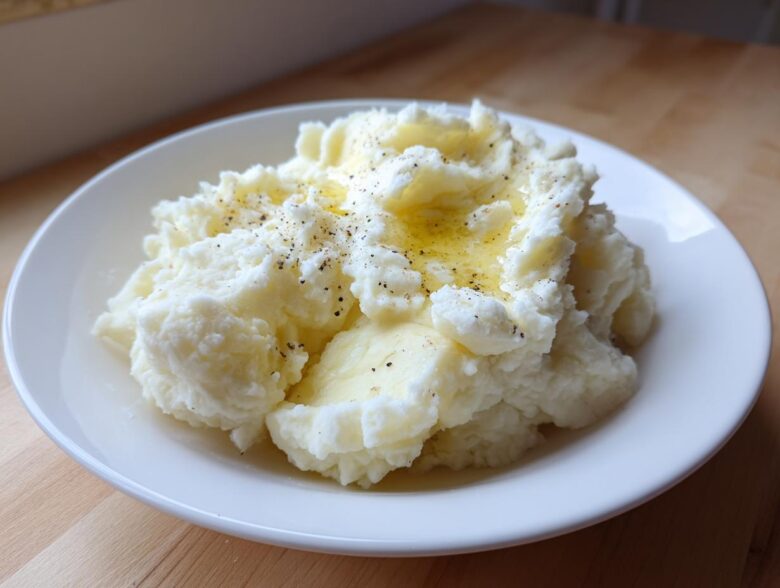
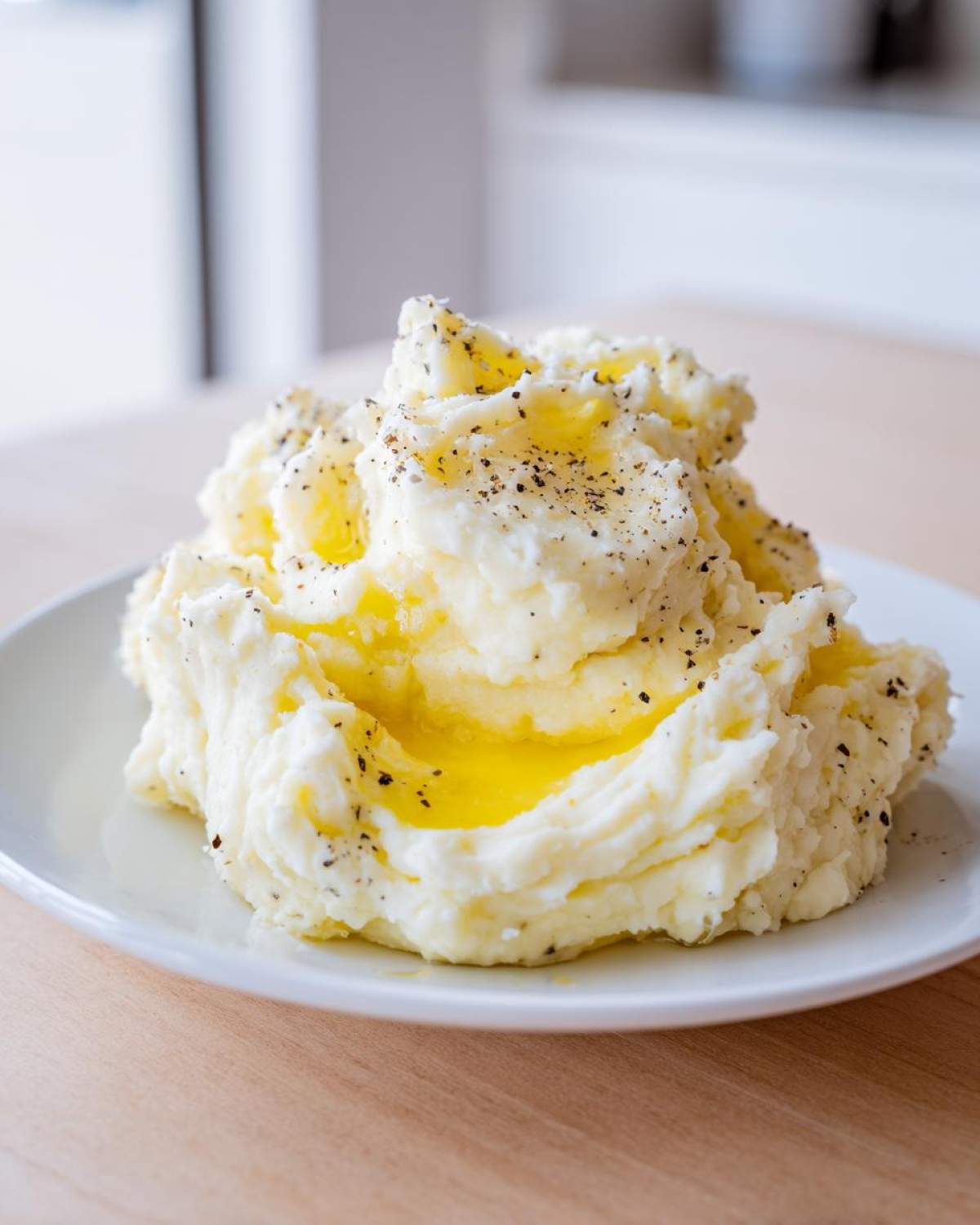
I’m going to be honest with you: I have spent years chasing the perfect cloud of potato goodness. I used to end up with watery lumps or, worse, that awful sticky glue that ruins a holiday dinner. But I cracked the code! After way too many failed batches of homemade mashed potatoes, I finally figured out that restaurant-style secret. This recipe is for The Ultimate Creamy & Fluffy Mashed Potatoes, and trust me, it’s foolproof. We aren’t messing around with lumpy potatoes here; we are aiming for velvety smooth perfection that tastes incredibly buttery every single time, whether it’s Tuesday night or Thanksgiving!
Why This Is The Best Mashed Potatoes Recipe (The Secret to Creamy Mashed Potatoes)
What makes these mashed potatoes the reigning champion on my dinner table? It all comes down to texture, my friend. We are achieving two things here: extreme creaminess and that fluffy lift that makes you want to take another bite before you’ve finished the first! So many recipes fall flat because they either use cold ingredients or they beat the life out of the final product. Not us! The real magic in these creamy mashed potatoes involves two specific moves: selecting the right potato and warming up all the dairy before it even touches the spuds.
If you follow those two rules, you’re already miles ahead of 90% of home cooks. We want smooth mashed potatoes that melt in your mouth, not heavy, gluey clumps. I’ve linked my main blog advice here if you want a deep dive into potato science, but the short version is: structure matters!
Choosing Your Potatoes for Perfect Mashed Potatoes
You have to pick your partner wisely! Since we want that fluffy, cloud-like texture, the potato type is huge. I always lean towards Russets because they are super starchy. That high starch content basically falls apart when cooked, which is exactly what we want for a light, airy mash.
Yukon Golds are a close second, and they give you a naturally buttery flavor profile, but they lean a little more waxy. If you use Golds, you might need to be even gentler when mashing so they don’t get too dense. For the absolute fluffiest mashed potatoes possible, stick to Russets, but either will work beautifully if you respect the mashing process!
Gathering Ingredients for Ultimate Creamy Mashed Potatoes
Okay, let’s talk about what goes into these show-stopping creamy mashed potatoes. Remember how I said warming the liquids is key? Well, here’s the lineup! You need about three pounds of potatoes—I listed both Russet and Yukon Gold above because sometimes you get lucky at the store!
The real decadence comes from the high-fat dairy. Grab a cup of whole milk or, if you’re feeling it, heavy cream, and eight tablespoons of unsalted butter, cut into little pieces so it melts faster. Don’t just dump cold stuff in! Everything must be incorporated gently.
Ingredient Notes and Substitutions for Mashed Potatoes
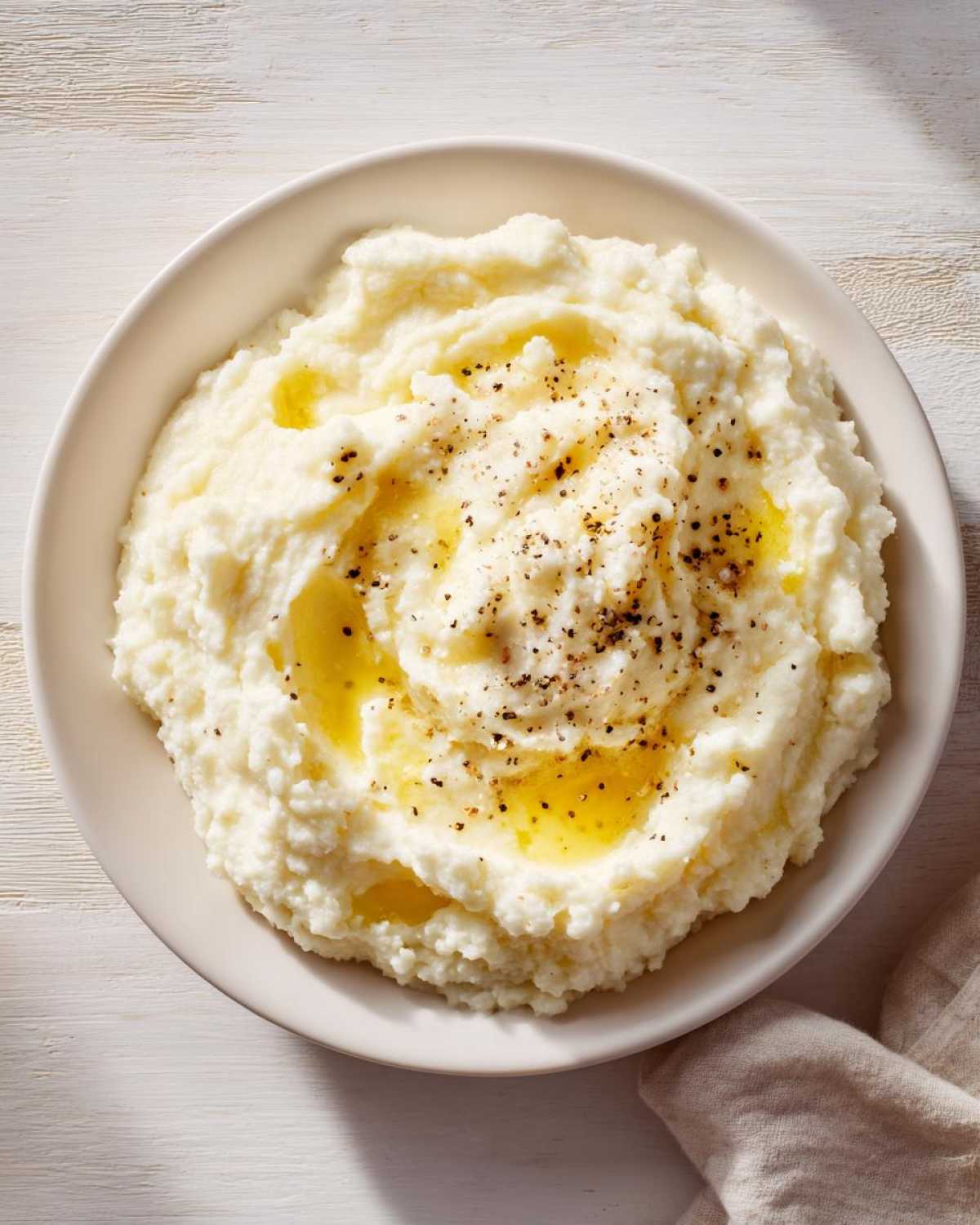
If you want that *million dollar* richness, that optional quarter cup of sour cream or cream cheese is your magic ticket. It adds a wonderful tang and makes the texture almost silken—I highly recommend it, especially for holiday side dishes.
Now, if you can’t do dairy, don’t panic! You can still get lovely results. Just use a full-fat, unsweetened plant-based milk—like oat or soy—and substitute the butter with a good quality vegan butter block. Warm it exactly the same way before you add it to the pot. It won’t be quite the same, but it’s still going to be delicious comfort food!
Step-by-Step Instructions for Restaurant Style Mashed Potatoes
This is where the transformation happens! We start with the potatoes in the pot. The first step is non-negotiable: always cover them with *cold* water and add a good heavy pinch of salt to the water itself. This seasons the potato from the inside out! Bring that pot to a rolling boil, then let them simmer until they are totally falling apart when you poke them with a fork—about 15 to 20 minutes.
Once tender, drain them out super thoroughly, and then let them sit in the colander for five minutes, uncovered. This might seem fussy, but resisting the urge to rush this step will save your whole batch of mashed potatoes from becoming too watery. Seriously, letting the steam escape is key to creamy, not soupy, results.
The Critical Step: Boiling and Evaporating Steam for Fluffy Mashed Potatoes
Don’t skip that rest time after draining! Water is the enemy of fluffy, decadent mashed potatoes. We want the potatoes to be dry little sponges, ready to soak up all that beautiful butter and cream we warmed up. If you rush this part, you’ll have to keep adding liquid later, and that starts us down the road to gluey territory. Patience here pays off big time.
Warming Dairy and Butter for Smooth Mashed Potatoes
While those potatoes are chilling out for five minutes, gently warm up your milk or cream and those chunks of butter on the stovetop over low heat until the butter is just melted. It should be warm to the touch, but please, don’t let it bubble or boil! Dumping hot liquid onto a potato cools it down too fast, and we need that gentle heat to keep emulsifying things nicely as we mix our buttery potato side.
Mashing Technique: Avoiding Gluey Mashed Potatoes
This is where I learned the hard way! You cannot, I repeat, *cannot* use an electric mixer or a food processor for these creamy mashed potatoes. That whips too much air in and breaks down the starch until it turns into paste. It’s just not worth it! Use an old-fashioned hand masher or even better, a potato ricer for the smoothest texture imaginable. Add your warm dairy mixture slowly, stirring with a wooden spoon until it’s *just* combined. If you want to stop and check out guide on making those amazing caramelized onions, you can do that later, but right now, mash gently!
Variations: Making Garlic Mashed Potatoes or Million Dollar Mashed Potatoes
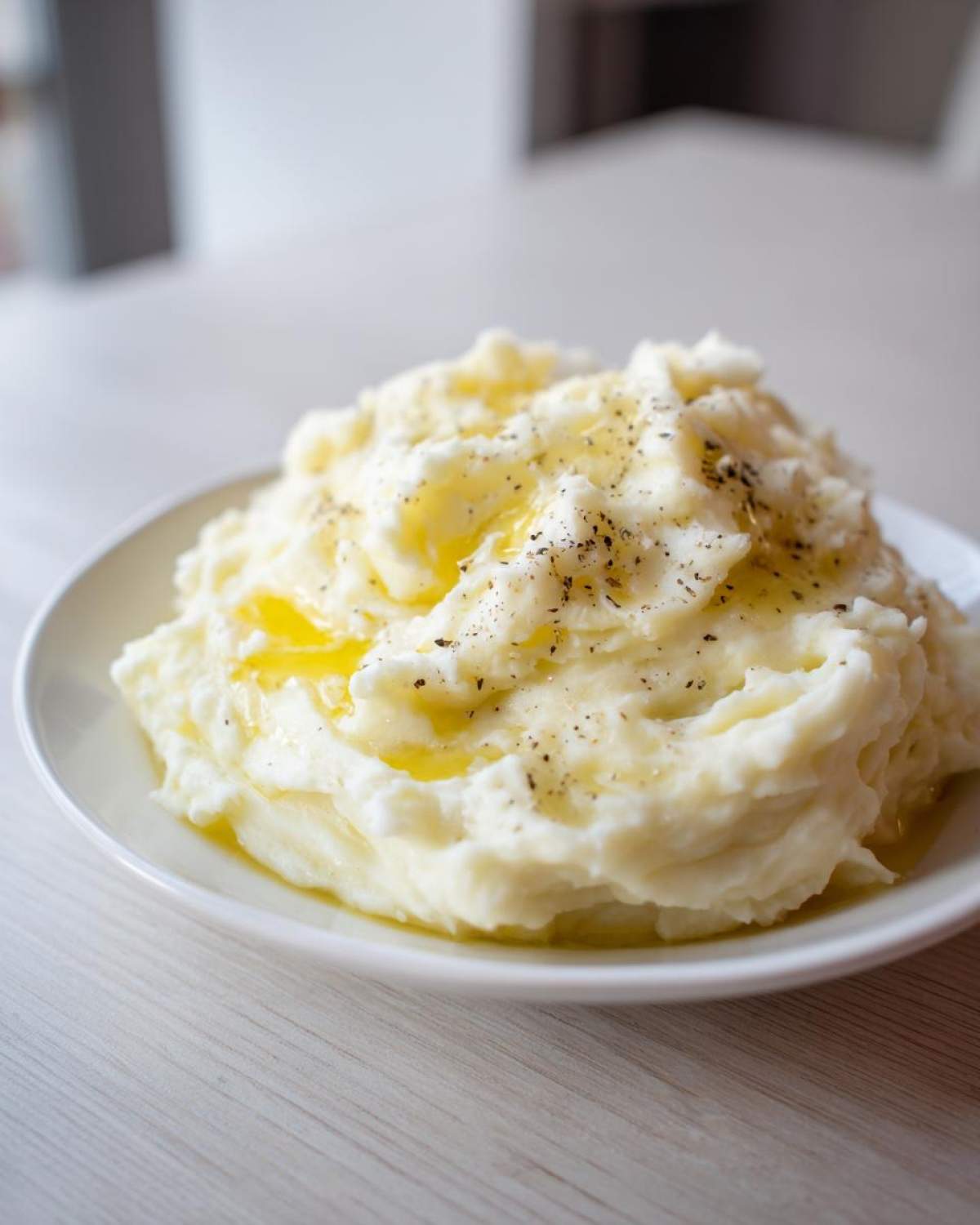
So, you’ve mastered the base recipe, and now you’re ready to take these already incredible mashed potatoes up a notch? I love that about you! If you want to transform these into steakhouse-style mashed potatoes, roasted garlic is absolutely the way to go. You just take a whole head of garlic, chop the top off, drizzle it with olive oil, wrap it in foil, and roast it until it’s soft and caramel-y—usually about 40 minutes at 400 degrees.
Once it’s cool enough to handle, squeeze those sweet, mellow cloves right out of the skin and mash them directly into your warm milk and butter mixture before you add it to the potatoes. It gives the whole batch a gorgeous, deep flavor without any fiery bite.
Now, if you’re aiming for that *decadent side dish* label—sometimes called Million Dollar Mashed Potatoes—you don’t have to do much extra work! That optional sour cream or cream cheese we added in the ingredients list is what creates that richness. It makes these mashed potatoes so luxurious, nobody will ask what’s in them; they’ll just ask for seconds. You can also check out my guide on making a fantastic garlic parmesan masterpiece if you want even more Italian flair!
Tips for Success When Making Homemade Mashed Potatoes
You’ve got the incredible ultimate creamy mashed potatoes in the pot; now let’s make absolutely sure they shine! My biggest tip, which I learned thanks to burnt fingertips, is to try and mash your potatoes while they are still quite warm. Don’t let them cool completely before you mix in the butter and cream, because cold potatoes absorb dairy differently, and frankly, they just don’t yield the same fluffy texture.
Also, don’t be shy with the seasoning in the water! A well-seasoned potato is the base for spectacular homemade mashed potatoes. Taste it before serving, too. That final seasoning check always makes the difference between “good” and “these are the best mashed potatoes I’ve ever had.”
If you want the absolute smoothest, thickest, most velvety result, you have to use a potato ricer. It presses the cooked potato through tiny holes, guaranteeing no gummy spots. If you’re looking for something fun to do with any leftovers, check out my recipe for mashed potato cakes later on—they are divine!
Storage and Reheating Creamy Mashed Potatoes
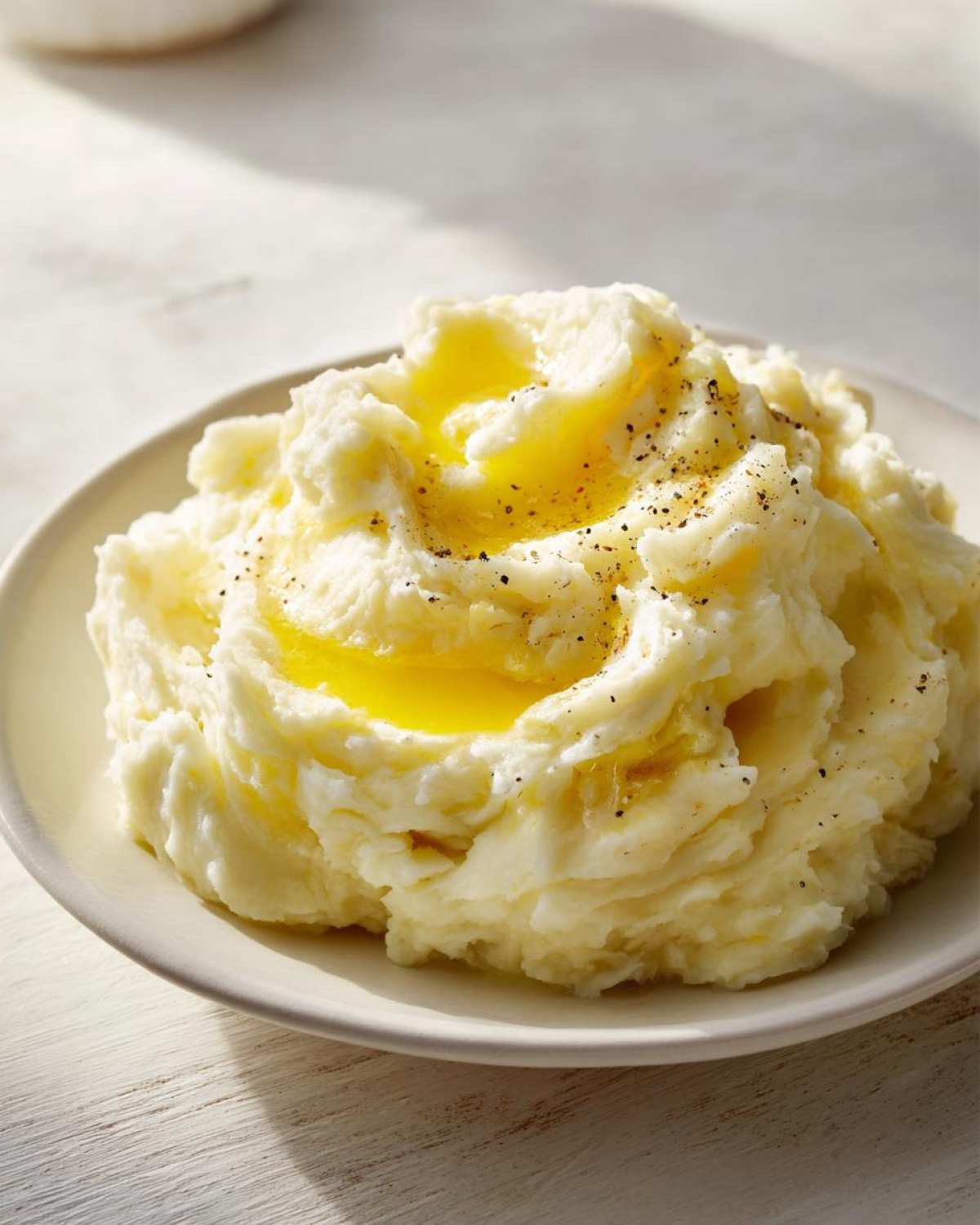
Even the best mashed potatoes are sometimes better served the next day, right? Life happens! If you have leftovers, don’t worry. These creamy mashed potatoes actually store beautifully, but you have to reheat them the right way to bring back that magical, fresh-off-the-stove texture.
First, the cooling part: You have to cool them down fast. Spread any leftovers into a shallow container so they aren’t sitting in one deep, warm block heating up slowly. Cover that tightly and get it into the fridge. They’ll last about three or four days like that, no problem.
When it’s time to reheat, my absolute favorite method is going back to the stovetop. Put the potatoes in a heavy-bottomed pot over medium-low heat. Now, here is the trick: throw in a splash of extra milk or a little pat of butter. Stir constantly. As they warm up, they’ll start to thicken again, and that added liquid brings back the moisture that evaporated while chilling.
I see people try to microwave them, and honestly, it’s a gamble. Microwaves heat unevenly, and you can end up with hot spots and dry edges. We want consistency! If you really must use the microwave, warm them in short 30-second bursts, stirring vigorously between each one, and always add a tiny splash of liquid beforehand to coax back that velvety texture.
And if you’re worried about leftovers turning into bricks, remember you can always repurpose them! I mentioned my recipe for mashed potato cakes—they are the perfect second-day meal. Just don’t throw out those delicious buttery remains!
Serving Suggestions for Your Buttery Potato Side
You’ve made the best fluffy mashed potatoes imaginable, so now you need something worthy to sit next to them, right? These buttery potato sides are superstars for any meal!
For a simple weeknight dinner, they are fantastic spooned alongside a perfectly cooked air fryer chicken—you can check out my favorite whole chicken recipe for that! But when that holiday table needs leveling up, these are your go-to holiday side dishes.
They pair beautifully with prime rib, and if you’re serving that, you absolutely must try my zesty horseradish sauce on the side, too. Honestly, whatever you make, these potatoes will steal the show!
Frequently Asked Questions About Perfect Mashed Potatoes
I always get questions after I serve these at parties, so let’s tackle a few things about making sure your homemade mashed potatoes turn out flawless every single time. Sometimes people panic if they don’t look exactly like mine, but don’t worry! These are easy fixes!
Can I use Russet potatoes for the creamiest mashed potatoes?
Yes, you absolutely can! I actually recommend Russet potatoes if your main goal is ultra fluffy mashed potatoes. They have the highest starch content, which is great because the starch breaks down easily when cooked, yielding that light, airy texture we love.
The only rule when using Russets is that you have to mash them gently. Because they fall apart so easily, if you overwork them—especially with a mixer—they turn sticky fast. Grab that hand masher or ricer and be kind to them!
How do I make dairy-free mashed potatoes that are still fluffy?
This is a great question for my fellow lactose-sensitive friends! You can totally make phenomenal dairy-free mashed potatoes. The secret is replacing the richness, not just the liquid.
Instead of milk, use a rich, unsweetened plant milk like oat or cashew milk—watery almond milk won’t cut it. For the fat, you need a firm vegan butter substitute, not a soft spread. Warm up your substitute or warmed coconut cream along with your potatoes, and treat it exactly like the real dairy version. The result is still incredibly buttery and so smooth!
If you get the liquid ratio right, these will be some of the best creamy mashed potatoes you’ve ever had, even without the cream!
Nutritional Estimates for This Classic Mashed Potatoes Recipe
Now, I know we aren’t making these potatoes for the diet—these are comfort food recipes, pure and simple! But since a lot of folks ask about the bigger picture, I’ve gone ahead and included the estimated numbers below. Remember, this breakdown is based on using whole milk and standard butter amounts listed in the ingredients above. If you swap in heavy cream or add extra sour cream, those numbers are going to jump up!
Think of this as a general guide, not a hard rule, since the exact amount of potato you end up eating versus the amount of butter that melts into the bottom of the pot can change things slightly. But this gives you a good idea of what you’re welcoming onto your plate when you enjoy this amazing, buttery potato side.
- Serving Size: 1 serving
- Calories: 320
- Fat: 20g (Mostly satisfying, rich butter fat!)
- Carbohydrates: 32g (That’s the potato goodness right there)
- Protein: 5g
- Sugar: 3g
- Sodium: 450mg (Depends a lot on how salty you make your boiling water, so watch that!)
There you have it! A totally satisfying, rich side dish that’s totally worth every single warm, creamy calorie. Now go enjoy those amazing mashed potatoes!
PrintThe Ultimate Creamy & Fluffy Mashed Potatoes (Restaurant Style Secret Revealed)
This recipe delivers ultra-creamy, velvety, and fluffy mashed potatoes using a simple method perfect for weeknight meals or holiday gatherings.
- Prep Time: 15 min
- Cook Time: 25 min
- Total Time: 40 min
- Yield: 6 servings
- Category: Side Dish
- Method: Boiling and Mashing
- Cuisine: American
- Diet: Vegetarian
Ingredients
- 3 lbs Russet or Yukon Gold potatoes, peeled and quartered
- 1 cup whole milk or heavy cream
- 8 tablespoons unsalted butter, cut into pieces
- 1 teaspoon salt, plus more for boiling water
- 1/2 teaspoon black pepper
- 1/4 cup sour cream or cream cheese (optional, for extra richness)
Instructions
- Place the peeled and quartered potatoes in a large pot. Cover them with cold water by about one inch. Add 1 tablespoon of salt to the water.
- Bring the water to a boil over high heat. Reduce the heat to maintain a steady simmer and cook until the potatoes are fork-tender, about 15 to 20 minutes.
- Drain the potatoes completely in a colander. Let them sit for 5 minutes to allow excess steam to evaporate. This step helps prevent watery potatoes.
- While the potatoes drain, gently warm the milk or cream and butter together in a small saucepan over low heat until the butter is melted. Do not boil.
- Return the drained potatoes to the dry, warm pot. Mash them thoroughly using a potato masher or ricer until mostly smooth. Avoid over-mashing at this stage.
- Gradually add the warm milk and butter mixture to the potatoes, mixing gently with a wooden spoon or spatula until just combined and creamy. Do not use an electric mixer, as this develops starch and makes them gluey.
- Stir in the salt, pepper, and optional sour cream or cream cheese until fully incorporated. Taste and adjust seasoning as needed.
- Serve immediately for the best texture.
Notes
- For garlic flavor, roast 1 head of garlic until soft, squeeze the cloves out, and mash them in with the butter and milk mixture.
- Use a potato ricer for the smoothest, fluffiest texture possible.
- If making ahead, cool the potatoes completely, then reheat gently on the stovetop with a splash of extra milk or cream.
Nutrition
- Serving Size: 1 serving
- Calories: 320
- Sugar: 3
- Sodium: 450
- Fat: 20
- Saturated Fat: 12
- Unsaturated Fat: 8
- Trans Fat: 0.5
- Carbohydrates: 32
- Fiber: 3
- Protein: 5
- Cholesterol: 55