

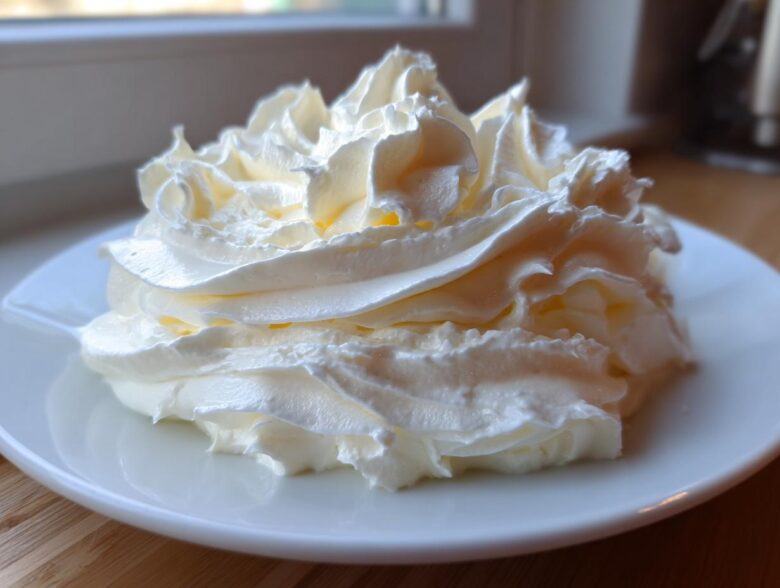
Oh, I know the frustration! There is nothing worse than spending time perfecting a cake only to have your topping turn out gritty, runny, or worse—lumpy! We’ve all been there, staring at a bowl of what looks like cottage cheese instead of smooth icing. Forget those sad substitutes; I’m sharing my absolute go-to recipe for the cream cheese frosting you’ll ever have. This isn’t some fancy, hours-long concoction. Seriously, we’re talking about a reliable, perfectly balanced topping that comes together in under ten minutes. I finally cracked the code for that signature tangy richness while guaranteeing zero lumps, every single time. You’re going to use this recipe for everything!
It mixes up beautifully on its own, but it’s also the perfect crowning glory for those leftover Red Velvet Cinnamon Rolls we whipped up last week. Trust me, once you try this quick homemade frosting, you won’t go back to the tub.
Why This Is the Best Classic Cream Cheese Frosting Recipe
Listen, what makes this recipe the absolute best cream cheese frosting isn’t just the flavor—though that tangy, sweet balance is incredible. It’s the texture and the speed! You need a topping that whips up fast and holds its shape, right? This formula uses a perfect ratio of full-fat cream cheese to butter, which keeps it stable enough to be a fantastic pipeable cream cheese frosting, yet soft enough to melt in your mouth. It’s a real stand-up guy compared to those flimsy store-bought versions.
Forget about waiting hours; this is your go-to for achieving a truly fluffy cream cheese frosting in minutes. It tastes ridiculously rich, yet it isn’t overly sweet like some competition. If you’re looking for a genuinely reliable no lump frosting outcome, stick close to these steps. It’s what I use when I bake my favorite holiday cookies, too.
Achieving That Perfect Smooth Buttercream Alternative Texture
The secret weapon against lumps is simple: temperature! You absolutely must use room temperature cream cheese and butter. I mean it—if they are cold directly from the fridge, the mixer screams, and you end up with little annoying chunks baked into your final product. Let them sit out for at least an hour before starting. This allows them to incorporate air evenly, which is essential for that beautifully smooth texture we are aiming for.
Ingredients for Perfect Cream Cheese Frosting
Okay, we’re keeping this super simple—only five things needed to make this incredibly rich cream cheese frosting! But, for it to come out looking professional and tasting amazing, we need to pay attention to the details. You’ll see the full ingredient list below, but I need you to promise me one thing right now: you have to sift that powdered sugar! Trust me, this step saves you so much heartache later when you’re mixing, and it’s key to getting that light, airy texture.
When I make this for my holiday sugar cookies, I always double-check that I have high-quality ingredients on hand. Quality counts here, especially since there are so few components!
Ingredient Notes and Substitutions for Cream Cheese Frosting
I insist on using full-fat cream cheese, folks; there’s simply no way around it if you want that signature, luscious mouthfeel. Low-fat just won’t cut it here—it adds too much extra liquid and makes the whole thing watery! Also, while the recipe calls for vanilla, if you have some almond extract hiding in the pantry, a half-teaspoon of that mixed with half the vanilla does wonders for complexity.
And remember when we talked about tang? For an extra acidic kick that really punches up the flavor—especially if you’re using this as a tangy cream cheese icing on something sweet like carrot cake—try swapping out a teaspoon of the vanilla for fresh lemon juice. It brightens everything up beautifully!
How to Make Quick Homemade Frosting: Step-by-Step Instructions
Making this amazing cream cheese frosting is almost embarrassingly easy, but the order you do things matters huge! Grab your stand mixer or a good hand mixer because we need some decent power here. First up, we need that base to be perfectly smooth. Toss in your room-temperature cream cheese and butter. Beat them together on medium speed until they look gorgeous—completely creamy, no texture visible at all. Scrape down the sides, because we don’t leave any butter unstirred!
Next, get your vanilla and salt in there and mix just until they disappear. Now comes the important part for avoiding lumps: We add the sifted powdered sugar one cup at a time, keeping the mixer speed on LOW to start. We don’t want sugar dust all over the house, right? Once that cup is mostly mixed in, crank the speed up to medium-high and let it whip for a full two to three minutes. This is what makes it so light and fluffy!
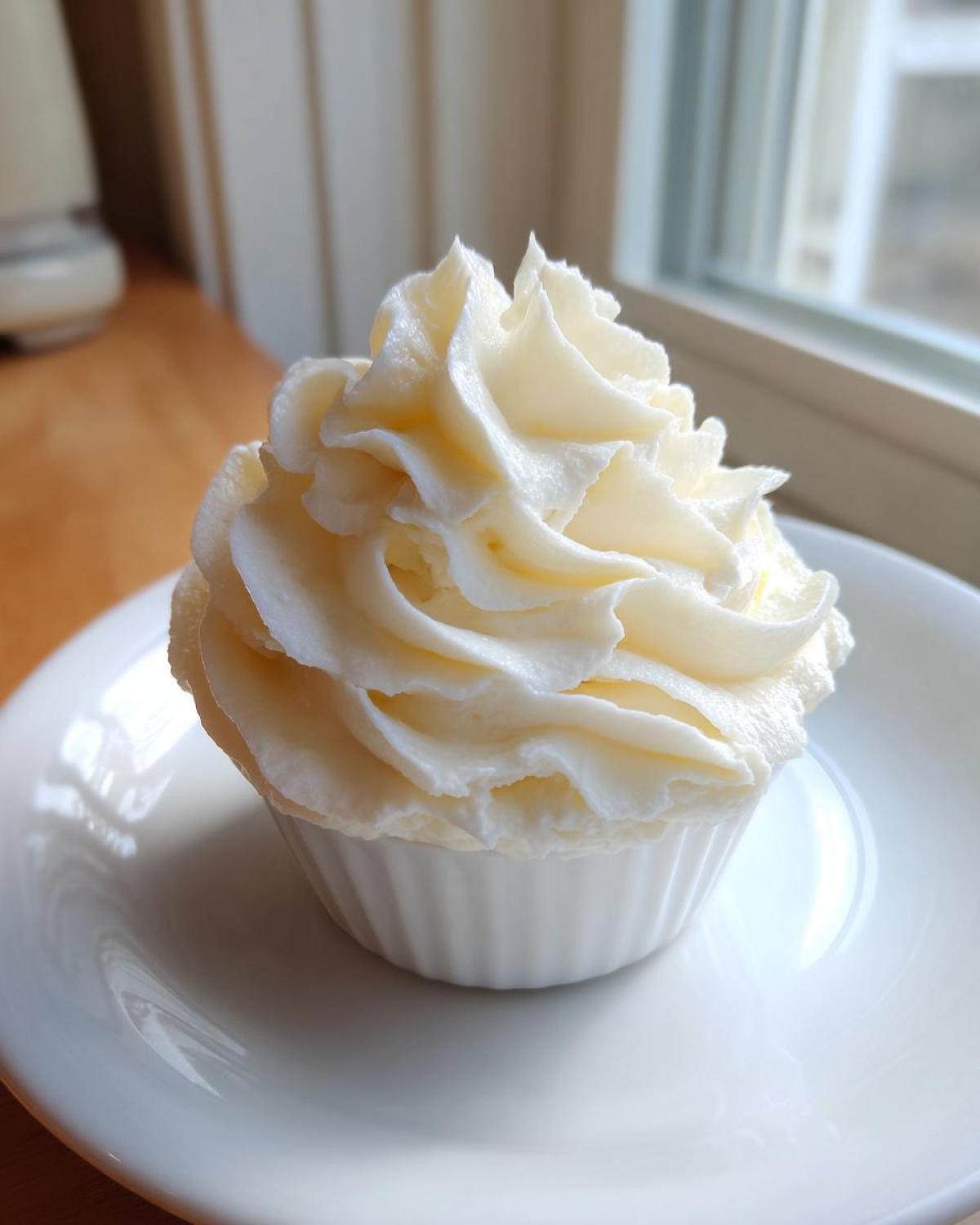
For cakes, you might stop here, but if you’re using this for drizzling over those moist pistachio muffins, you might need a touch more milk until it’s spreadable.
Troubleshooting Common Cream Cheese Frosting Issues
Don’t panic if it’s not quite right after the main whip! If your frosting seems too stiff for spreading, just add a teaspoon of milk or cream at a time until you hit that sweet spot. If you went too far and it’s floppy, whip in a tablespoon of extra sifted sugar until it firms up again. It’s all about small adjustments to get that perfect homemade consistency!
Tips for Pipeable Cream Cheese Frosting Stability
Everyone wants frosting that looks amazing when it comes out of the piping bag, not something that puddles onto your plate! If you’re planning on doing detailed borders or writing on your cupcakes, you’ll want this trick for making sure your cream cheese frosting stays stiff.
Remember how I said the recipe calls for 3 to 4 cups of sugar? If piping is your main goal, lean toward that higher four-cup mark. That extra sugar gives the structure it needs to stand up tall. Also, if your kitchen is like a sauna when you bake—which mine often is!—try chilling your mixing bowl and beaters for about fifteen minutes before you start whipping everything together. That initial coolness helps the fats stay firm.
If you mix it up and it seems just a little soft, put the whole bowl in the fridge for about fifteen minutes. A quick chill firms everything up beautifully, making it the perfect consistency. If you’re looking for more tips on getting light decorations, check out my guide to fluffy vanilla buttercream, as the principles for piping are similar!
Versatile Applications for Your Cream Cheese Frosting
This isn’t just a one-trick pony topping, trust me! While it is the absolute perfect frosting for red velvet cake—that slightly savory tang cutting through the cocoa is divine—I use this recipe constantly for other things, too. Like, I always make extra because I know I’ll need it for my famous gooey cinnamon buns the next morning. It melts into the crevices just perfectly when you dollop it on top!
I also adore this over a warm slice of my cranberry orange Bundt cake when I want something richer than a simple glaze. It acts as a fantastic, quick dessert topping that feels far more luxurious than it actually is. Honestly, it works on everything that needs that signature sweet-and-sour zing.
Storage and Reheating Instructions for Homemade Cream Cheese Frosting
So you made a massive batch of amazing cream cheese frosting? Good move! You definitely want to save some for later. Pop any leftovers into an airtight container—don’t just drape plastic wrap over the bowl; that invites weird textures. Put it in the fridge, and it should stay perfectly usable for about five days.
The catch is bringing it back to life! When you pull it out, it will be hard as a rock. Don’t try beating it cold, or you’ll end up back at square one with lumps! Just let it sit on the counter for a good hour or two to warm up slowly. Once it’s soft again, give it a quick 30-second blast with the mixer, and it will be smooth and ready to top your next batch of easy fudge or whatever you dreamed up!
Frequently Asked Questions About Cream Cheese Frosting
Can I make this cream cheese frosting ahead of time?
Yes, you absolutely can! I often make a triple batch just so I have some on hand. Just make sure you store it in a truly airtight container in the fridge. Remember what I said earlier though: don’t try to use it straight from the fridge! You need to let it sit on the counter for at least an hour, maybe two depending on how warm your kitchen is, and then give it a quick whip to bring back that beautiful, airy texture we worked so hard to create.
How do I get a tangier cream cheese icing?
If you love that sharp, pucker-up flavor, you have two great options! You can slightly reduce the sugar—maybe cut back by a quarter cup—but you have to be careful not to affect the stability too much. My preferred way, though, is adding a splash of acidity. A half-teaspoon of fresh lemon juice works wonders to enhance the tangy cream cheese icing flavor without messing up the structure too badly. It really cuts through the sweetness!
What is the best way to prevent my cream cheese frosting from being runny?
Runny frosting is usually a temperature problem or a sugar problem! If your kitchen feels hot, chill your butter and cream cheese slightly before you even start mixing. If you follow the recipe and it’s still a bit soft, you need more structure, which means adding more sifted powdered sugar, one tablespoon at a time, until it stiffens up for piping. If you are planning on making a dip instead, like my smoked salmon dip, you’d actually want to keep it softer!
Estimated Nutritional Data for This Cream Cheese Frosting
Now, I always say that when you’re baking something truly divine, you shouldn’t sit there counting every single gram of sugar (life is too short!), but I know some of you are curious about what’s in this glorious topping. So, here is the estimated nutritional breakdown for this cream cheese frosting recipe. Keep in mind these numbers are based on a standard yield of about 3 cups, divided into 16 servings, which is what I usually get for a standard two-layer cake.
It’s rich, sure—that’s the butter and cheese doing their job! But honestly, it’s worth every single calorie when you see how happy it makes people. If you’re making a big batch following my instructions, this is roughly what you’re looking at:
- Serving Size: 1/4 cup
- Calories: Around 350
- Total Fat: 23g (mostly saturated fats from the dairy)
- Total Carbohydrates: 38g
- Sugar: 38g (Yes, it’s sweet because it’s frosting!)
- Protein: 2g
This is just an estimate, of course, because the exact amount of sugar you use can shift things around. But I wanted to give you a general idea of what you’re dealing with when you whip up this incredible, quick, and reliable cream cheese topping!
Share Your Experience with This Easy Cream Cheese Frosting Recipe
Now that you’ve mastered this unbelievably simple batch of cream cheese frosting, I really want to know how it turned out for you! Did you use it on cupcakes, or did you smother your weekend cinnamon rolls in it? Take a moment to leave a star rating right below this—it helps other bakers know this recipe is reliable. Drop a comment with any fun variations you tried. Happy baking, everyone!
PrintBest Classic Cream Cheese Frosting

Make a smooth, fluffy, and tangy cream cheese frosting quickly. This recipe yields a stable topping perfect for cakes, cupcakes, and cinnamon rolls.
- Prep Time: 10 min
- Cook Time: 0 min
- Total Time: 10 min
- Yield: About 3 cups
- Category: Dessert Topping
- Method: Mixing
- Cuisine: American
- Diet: Vegetarian
Ingredients
- 8 ounces cream cheese, softened
- 1/2 cup (1 stick) unsalted butter, softened
- 3 to 4 cups powdered sugar, sifted
- 1 teaspoon vanilla extract
- 1/4 teaspoon salt
Instructions
- Beat the softened cream cheese and butter together in a large bowl using an electric mixer until the mixture is completely smooth and creamy. Scrape down the sides of the bowl.
- Add the vanilla extract and salt. Mix briefly to combine.
- Gradually add the sifted powdered sugar, one cup at a time, mixing on low speed until incorporated.
- Increase the mixer speed to medium-high and beat for 2 to 3 minutes until the frosting is light and fluffy.
- If the frosting is too thick for spreading, add 1 teaspoon of milk or heavy cream at a time until you reach your desired consistency. If it is too thin, add more sifted powdered sugar, one tablespoon at a time.
- Use immediately for frosting cakes or spreading over cinnamon rolls.
Notes
- Use room temperature cream cheese and butter to prevent lumps.
- Sift the powdered sugar before adding it to the mixture for the smoothest texture.
- For a tangier flavor, reduce the amount of powdered sugar slightly or add 1/2 teaspoon of fresh lemon juice.
- To make the frosting pipeable, ensure you use the lower end of the powdered sugar range (3 cups) and mix until stiff peaks form.
Nutrition
- Serving Size: 1/4 cup
- Calories: 350
- Sugar: 38
- Sodium: 120
- Fat: 23
- Saturated Fat: 14
- Unsaturated Fat: 9
- Trans Fat: 0.5
- Carbohydrates: 38
- Fiber: 0
- Protein: 2
- Cholesterol: 65