
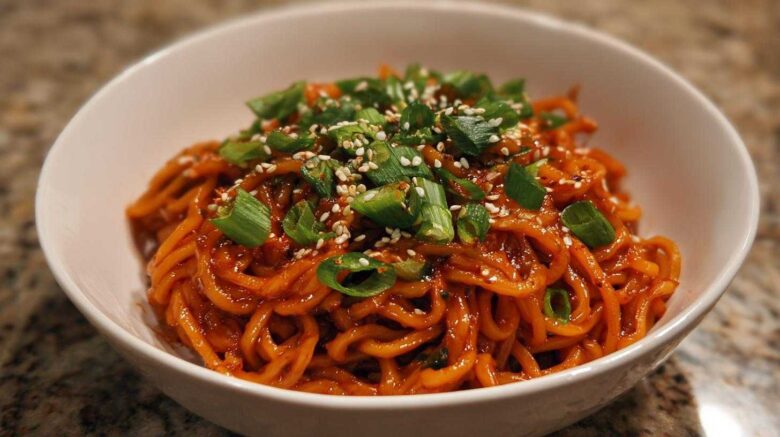
Get ready to ignite your taste buds! I’m Amelia, and along with my partner Jacob, we’ve perfected a dish that’s both incredibly quick and bursting with bold flavor. Our Hot and Spicy Korean Gochujang Noodles are a testament to our kitchen adventures. They’re the perfect weeknight meal when you crave something exciting. This recipe is a winner for us, and we know you’ll love it too.
Why You’ll Love This Hot and Spicy Korean Gochujang Noodles Recipe
You’ll adore these noodles because they’re:
- Super speedy to make.
- Packed with bold, spicy Korean flavors.
- Incredibly versatile for add-ins.
- Amazingly easy for any skill level.
Amelia and Jacob’s Hot and Spicy Korean Gochujang Noodles: The Essential Ingredients
Every great dish starts with quality ingredients. For our Hot and Spicy Korean Gochujang Noodles, we’ve chosen simple items that pack a punch. Jacob always says these are the building blocks of flavor. We’ve found that using the right products makes all the difference. Let’s break down what you need for this delicious recipe. We’ve tested many options, and these work best.
Gochujang: The Heart of the Spice
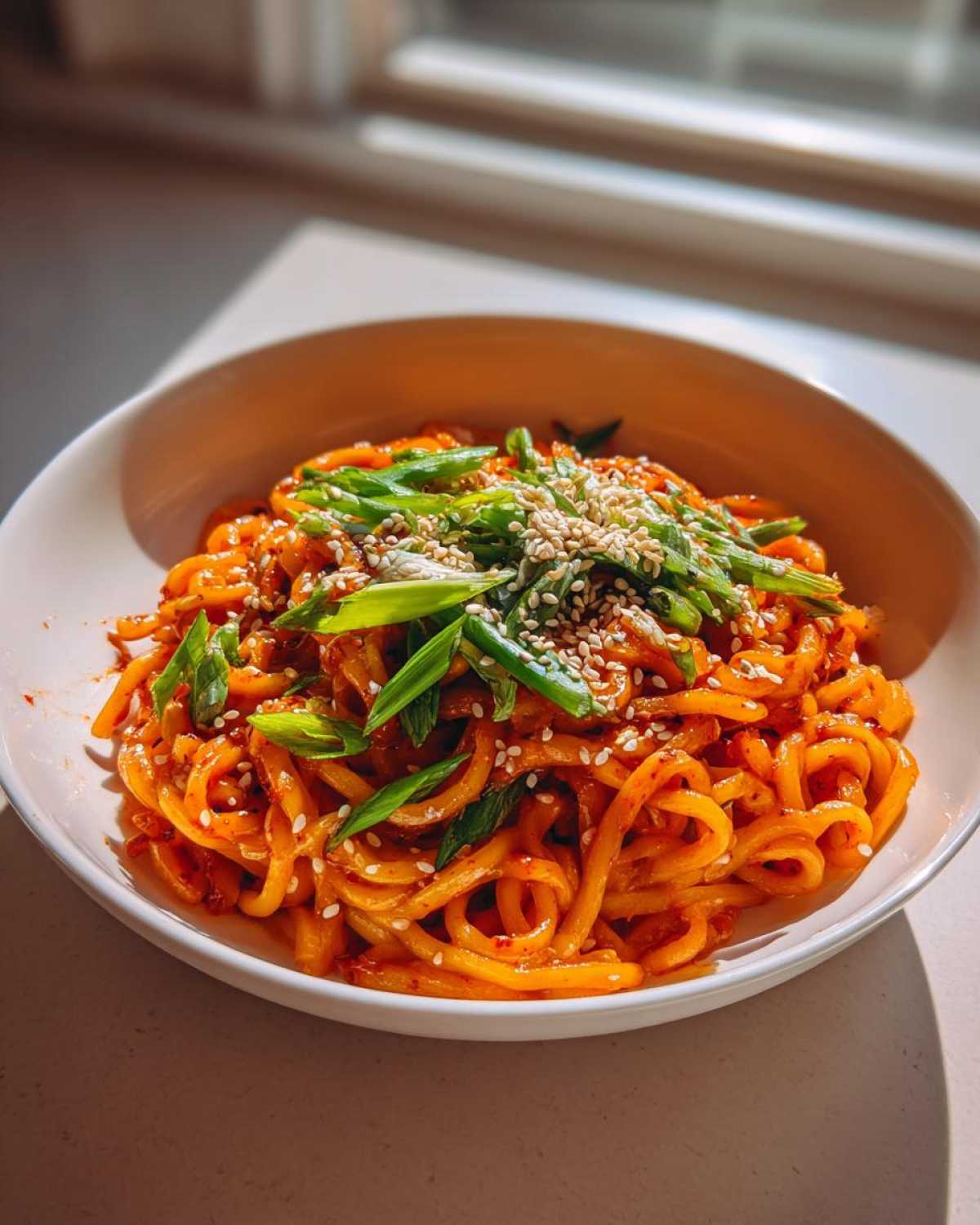
Gochujang is key here. It’s a fermented Korean chili paste. It’s savory, a little sweet, and definitely spicy. You can find it in Asian markets or the international aisle of most grocery stores. Brands can vary, so try a few to find your favorite. If you can’t find it, a mix of gochugaru (Korean chili flakes) and miso paste can work in a pinch, but gochujang is best. Learn more about gochujang.
Noodles: Your Flavor Canvas
For this recipe, we love using ramen or udon noodles. They really soak up the sauce beautifully. You can use your favorite kind of noodles, though. Just make sure they are cooked according to package directions. Al dente is usually perfect. We sometimes use leftover cooked pasta too! It’s a great way to use up what you have.
Aromatics and Seasonings for Hot and Spicy Korean Gochujang Noodles
These add depth. Fresh garlic and ginger are a must. They give a fantastic zing. Soy sauce brings that salty, umami flavor we all crave. Rice vinegar adds a touch of brightness. A little sugar balances the heat. We sometimes add extra red pepper flakes for a real kick. It’s amazing how these simple things create such big flavor.
How to Prepare Hot and Spicy Korean Gochujang Noodles: A Step-by-Step Guide
Now for the fun part! Turning simple ingredients into something truly special. Jacob and I love this part because it’s where the magic really happens. We’ve streamlined this process so it’s easy for anyone. Follow these simple steps, and you’ll have amazing noodles in no time. It’s a quick dance in the kitchen.
Crafting the Flavorful Sauce
First, let’s build our flavor base. In a small bowl, whisk together the sesame oil, minced garlic, and grated ginger. This creates a wonderful aromatic start. Then, add the gochujang, soy sauce, rice vinegar, and sugar. If you’re feeling brave, toss in the red pepper flakes too. Whisk it all until it’s smooth and well combined. This is the soul of our dish.
Bringing the Hot and Spicy Korean Gochujang Noodles Together
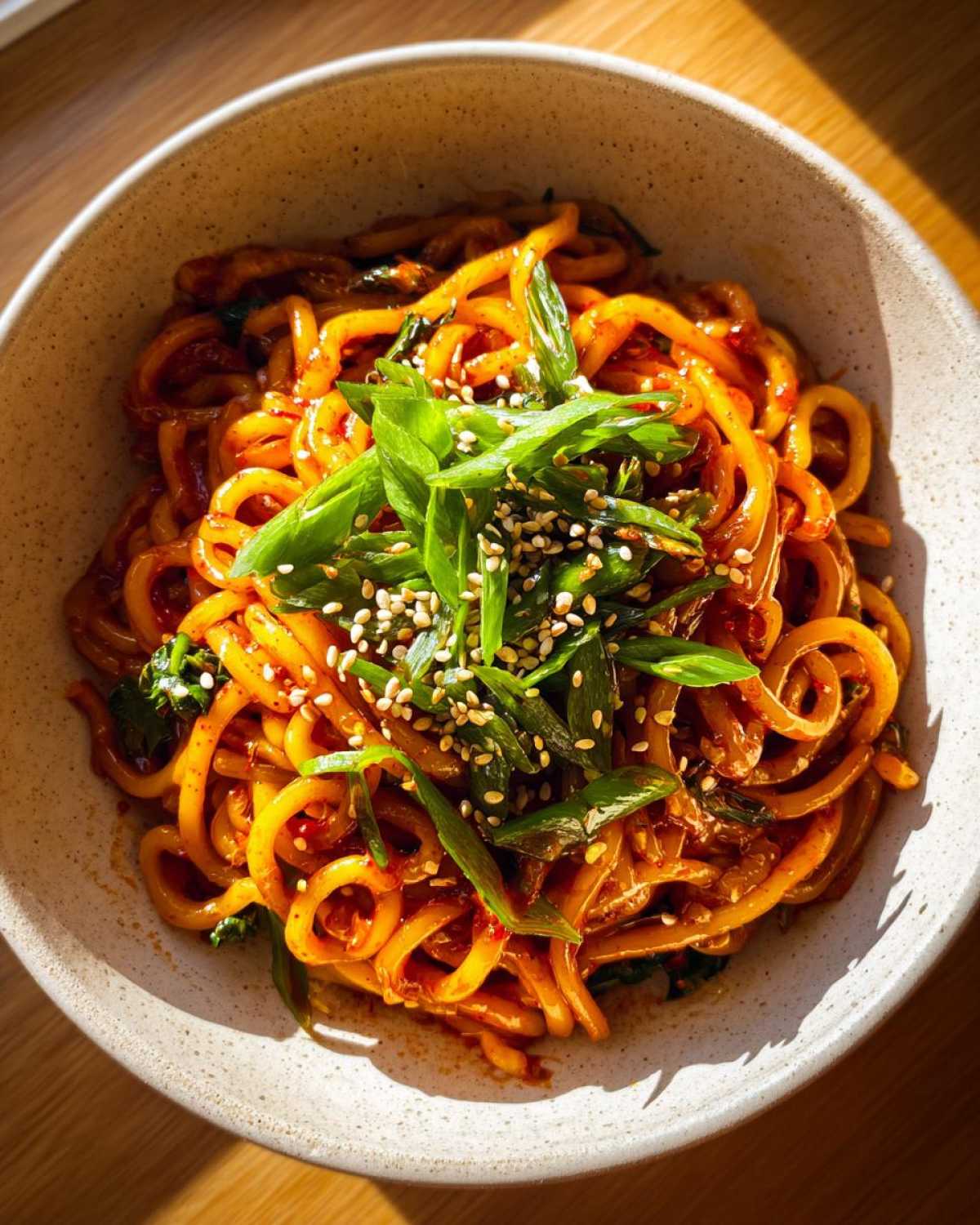
Next, grab a large skillet or wok. Heat the sauce over medium heat. You just want it to warm up and start to bubble gently. Don’t let it boil rapidly. Now, add your cooked noodles right into the skillet. Toss them really well. Make sure every strand is coated in that gorgeous, spicy sauce. Let them cook for just a minute or two. We want them heated through and glistening.
Garnishing Your Hot and Spicy Korean Gochujang Noodles
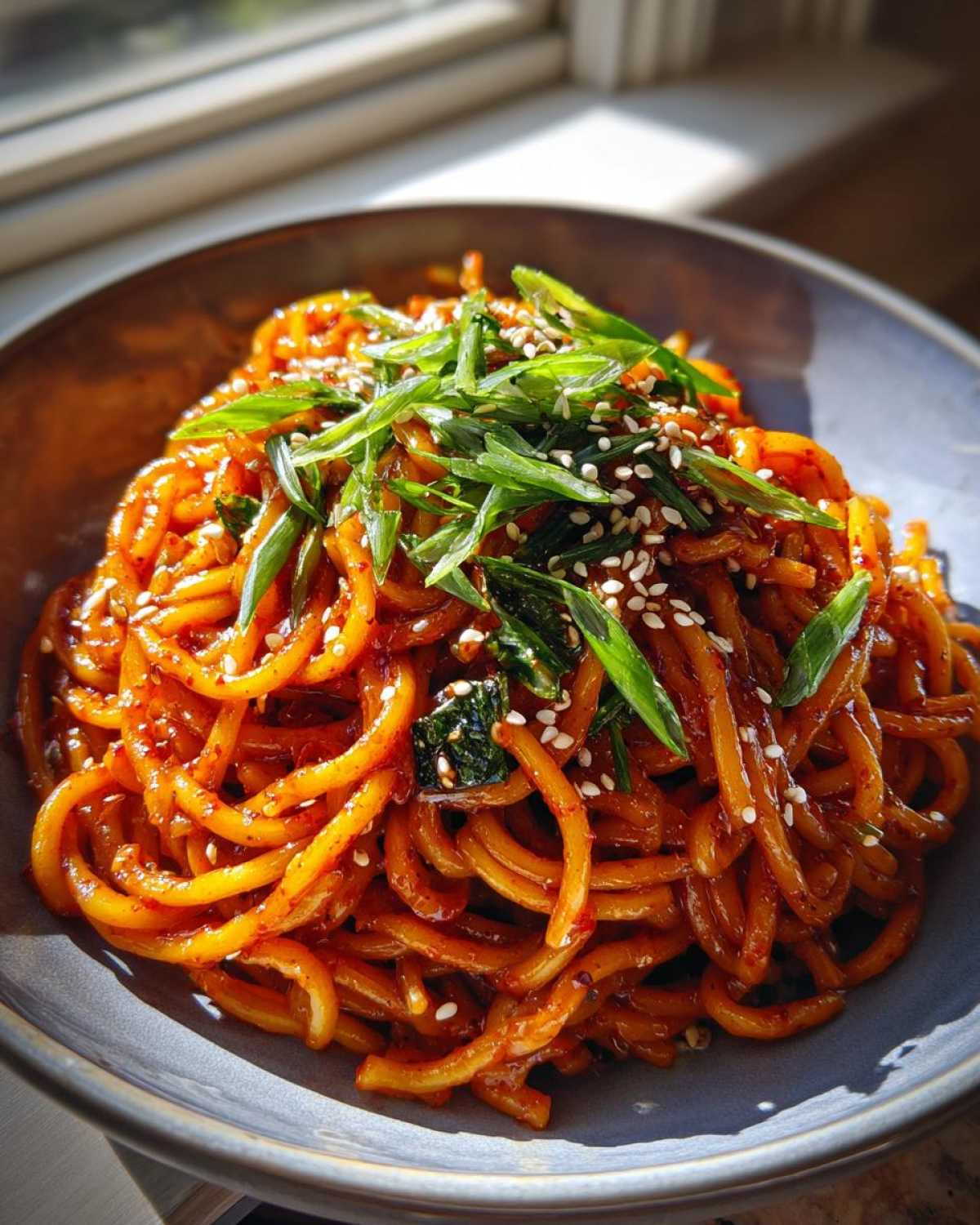
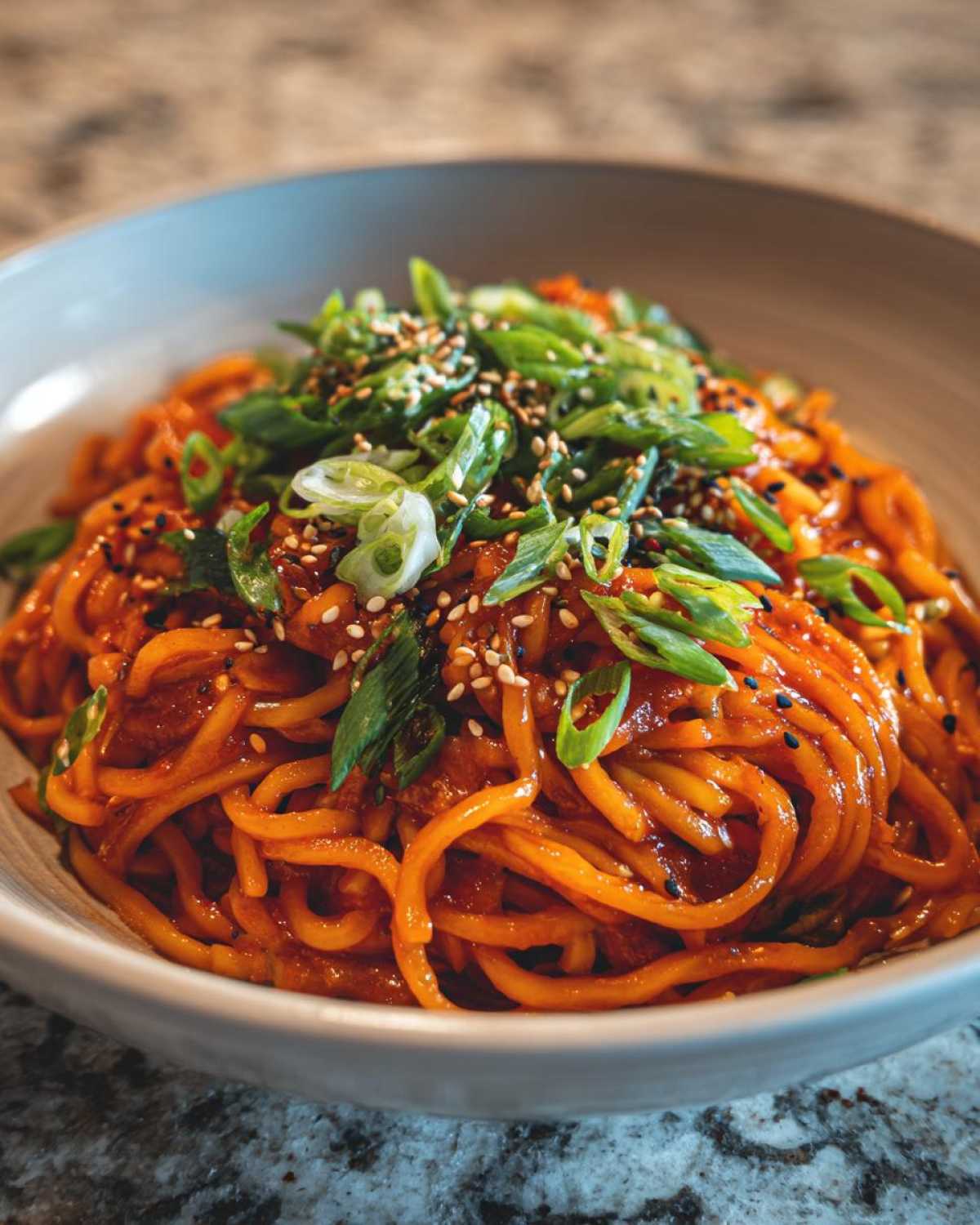
The final touch is crucial for both flavor and looks. Sprinkle generously with thinly sliced green onions. They add a fresh, crisp bite. Then, add toasted sesame seeds. They give a lovely nutty flavor and a bit of crunch. This is what makes our simple noodles feel restaurant-worthy. It’s the perfect finishing flourish.
Tips for Perfecting Your Hot and Spicy Korean Gochujang Noodles
Achieving noodle perfection is easy with a few tricks. Always taste your sauce before adding noodles. This lets you adjust the heat. Need it spicier? Add more gochujang or red pepper flakes. Too spicy? A little more sugar or a splash of water can help. Ensure your noodles are well-drained. This helps the sauce cling better. Toss them gently but thoroughly in the pan. We want every strand coated. This guarantees a flavor explosion in every bite. Jacob taught me that patience here pays off hugely! For more cooking tips, check out our about us page.
Frequently Asked Questions About Hot and Spicy Korean Gochujang Noodles
Got questions about our favorite spicy noodles? We’ve got answers!
Can I make these noodles less spicy? Absolutely! You can easily control the heat. Reduce the amount of gochujang. Omit the red pepper flakes entirely. A little extra sugar also helps balance the spice. You can even add a touch of honey for sweetness.
What kind of noodles work best for gochujang noodles? We love ramen or udon noodles. They have a great chew. They soak up the sauce perfectly. Feel free to use spaghetti or linguine if that’s what you have on hand. Just cook them al dente.
Where can I find gochujang? Gochujang is readily available. Look for it in Asian grocery stores. Many larger supermarkets have it too. Check the international foods aisle. It’s a staple for Korean cooking.
Can I add protein to this dish? Yes! This recipe is super adaptable. Cooked chicken, shrimp, or tofu work wonderfully. Add your cooked protein when you add the noodles. Toss everything together to coat. It makes a complete meal.
Serving and Storing Your Hot and Spicy Korean Gochujang Noodles
These spicy noodles are fantastic on their own. They also pair well with simple sides. Try a crisp cucumber salad or some quick pickled radishes. They cut through the richness nicely. If you have leftovers, store them in an airtight container. Keep them in the fridge for up to two days. Reheat gently in a skillet or microwave. Add a tiny splash of water if the sauce seems too thick. For more information on food storage, please see our disclaimer.
Nutritional Estimate for Hot and Spicy Korean Gochujang Noodles
Here’s a rough idea of what you’re getting. Remember, this is an estimate. It can change lots based on your noodle choice and brands. We aim for deliciousness first! Nutrition facts are helpful, but taste is king for us. If you have any concerns, please review our privacy policy.
PrintPerfect Hot and Spicy Korean Gochujang Noodles 3 Ways
Spice up your week with these incredibly flavorful Hot and Spicy Korean Gochujang Noodles. This recipe is perfect for anyone craving a bold and satisfying meal with a kick. Amelia and Jacob share their tested and perfected dish, designed for both planners and spontaneous cooks.
- Prep Time: 5 minutes
- Cook Time: 5 minutes
- Total Time: 10 minutes
- Yield: 2 servings
- Category: Noodles
- Method: Stovetop
- Cuisine: Korean
- Diet: Vegetarian
Ingredients
- 1 tablespoon sesame oil
- 2 cloves garlic, minced
- 1 teaspoon grated fresh ginger
- 2 tablespoons gochujang (Korean chili paste)
- 1 tablespoon soy sauce
- 1 tablespoon rice vinegar
- 1 teaspoon sugar
- 1/4 teaspoon red pepper flakes (optional, for extra heat)
- 8 ounces cooked noodles (ramen, udon, or your favorite)
- 1 green onion, thinly sliced
- 1 teaspoon toasted sesame seeds
Instructions
- In a small bowl, whisk together sesame oil, minced garlic, grated ginger, gochujang, soy sauce, rice vinegar, sugar, and red pepper flakes if using.
- In a large skillet or wok, heat the sauce over medium heat until it just begins to bubble.
- Add the cooked noodles to the skillet and toss well to coat them evenly with the sauce.
- Cook for 1-2 minutes, stirring constantly, until the noodles are heated through and well-coated.
- Serve immediately, garnished with sliced green onions and toasted sesame seeds.
Notes
- Adjust the amount of gochujang and red pepper flakes to control the spice level.
- You can add cooked protein like chicken, tofu, or shrimp to make it a complete meal.
- For a milder flavor, reduce the gochujang or add a touch more sugar.
Nutrition
- Serving Size: 1 serving
- Calories: Approx. 350-400 (will vary based on noodles and specific ingredients)
- Sugar: Approx. 8g
- Sodium: Approx. 1200mg
- Fat: Approx. 10g
- Saturated Fat: Approx. 2g
- Unsaturated Fat: Approx. 8g
- Trans Fat: 0g
- Carbohydrates: Approx. 55g
- Fiber: Approx. 3g
- Protein: Approx. 10g
- Cholesterol: Approx. 0mg