

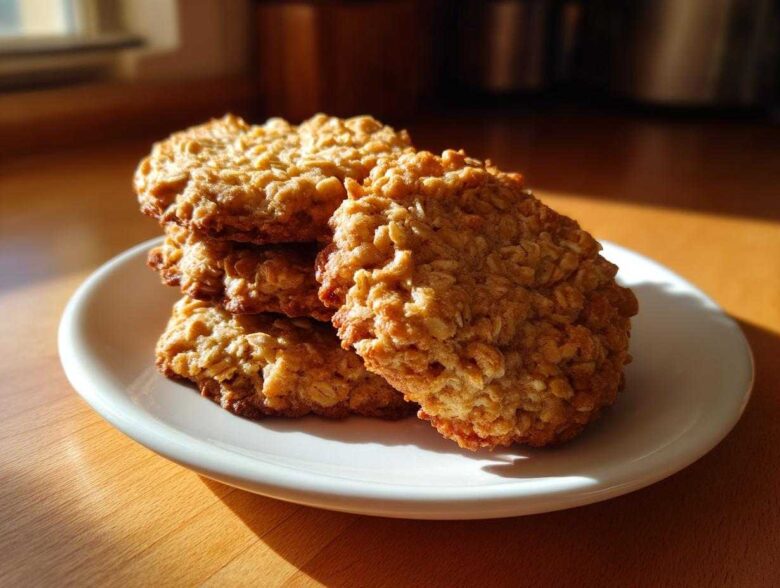
There is honestly nothing quite like the smell of fresh baking when you need a little comfort, right? Sometimes you just need something simple that tastes like a hug from your favorite relative. Well, I’ve finally organized one of Jacob’s absolute go-to recipes and turned it into a perfect plan for you! I’m shouting this from the rooftops: these Classic Soft and Chewy One-Bowl Oatmeal Cookies are going to change your baking life. If you’ve been searching for that ultimate, never-fail oatmeal cookie, you can stop looking now. They deliver that perfect chewiness every time, and yes, we did it all in just one bowl! For another amazing, easy project that delivers on texture, you should definitely check out my guide to the best soft, chewy classic snickerdoodles next!
Why This Classic Oatmeal Cookie Recipe Is Your New Favorite
I know, I know, everyone claims they have the “best” recipe, but I promise you, this one is different. Jacob and I developed this because we were so tired of oatmeal cookies that crumbled into dry dust the second you picked them up. We wanted that satisfyingly weighty, chewy center that barely holds together.
- It’s unbelievably quick—we’re talking 15 minutes prep time. No chilling required!
- It produces cookies with perfectly crisp edges that give way to a super soft interior.
- Seriously, fewer dishes means more time enjoying the cookies. We love that for us.
If you love a good, substantial cookie experience, you have to try this one. If you enjoyed how simple this felt, you might want to check out my notes on making soft and chewy peanut butter cup cookies next!
The Secret to Soft Baked Oatmeal Cookies
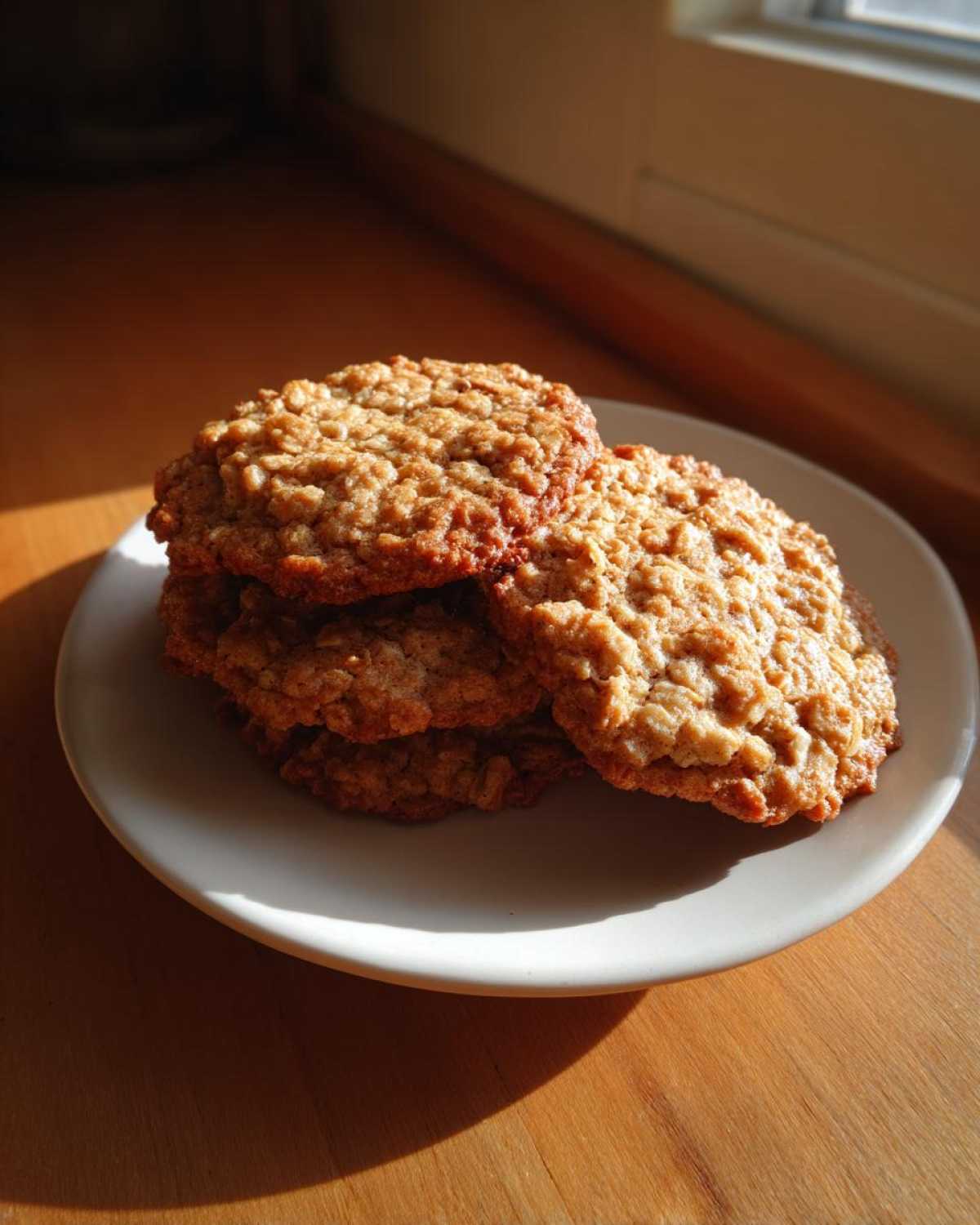
The main reason these stay soft instead of turning into hockey pucks is all about the sugar ratio. We use way more light brown sugar than white. Brown sugar has molasses, which is naturally acidic and holds onto moisture like a little sponge. Also, you have to beat that softened butter and the sugars together until it’s legitimately fluffy. That creaming traps air, and that trapped air is what gives the finished cookie that wonderful, slightly tender structure instead of being dense and flat.
Making the Best Chewy Oatmeal Cookies in One Bowl
This is where Jacob gets so smug because he hates having extra bowls dirty. Luckily, this recipe truly is a one-bowl wonder! You cream your wet ingredients, then gently mix in the dry stuff, and finally fold in those magnificent oats. Forget multi-mixing bowls! Keeping everything in one spot ensures the butter and sugar base doesn’t get overworked when you introduce the flour. This simplicity is why this oatmeal cookie recipe is perfect for weeknights.
Gathering Ingredients for Homemade Oatmeal Cookies From Scratch
Okay, project time! Since this is a homemade oatmeal cookies from scratch masterpiece, you need to make sure your pantry is stocked. The beauty of this recipe is you probably have most of this stuff already, which is why it qualifies as an easy one bowl oatmeal cookies situation. I tried to be super specific on the measurements, because remember, baking is chemistry, and baking requires clarity!
Here is exactly what you need laid out on your counter:
- 1 cup (2 sticks) unsalted butter, softened — make sure it’s actually soft, not melted!
- 1 cup packed light brown sugar (The darker the better for chewiness!)
- 1/2 cup granulated sugar
- 2 large eggs — room temperature is always best, if you remember to pull them out.
- 1 teaspoon vanilla extract
- 1 1/2 cups all-purpose flour
- 1 teaspoon baking soda
- 1/2 teaspoon salt
- 3 cups old-fashioned rolled oats — not quick oats for this first batch!
- 1 cup mix-in of choice (raisins OR classic chocolate chips!)
That mix-in part is where you get to make it your own. If you’re making these as a decadent dessert, grab the chocolate chips. If you want something closer to a classic, go for the raisins. For inspiration on other delicious, rich projects we’ve tackled, you should check out how we make our fudgy date brownies. But for now, let’s get these ingredients ready for action!
Step-by-Step Instructions for Perfect Oatmeal Cookie Dough
Alright, let’s get baking! Since Jacob likes clear plans for his artistic endeavors, I’ve written these instructions out in the most straightforward way possible. Seriously, don’t let the list intimidate you. This process is super quick once you get started. Before we even mix the first ingredient for your oatmeal cookie dough, you need to get the oven ready. Preheat that baby to 350°F (175°C) and line your baking sheets with parchment paper. This step is non-negotiable for easy cleanup and perfect bottom crusts!
Preparing the Wet Base for Your Oatmeal Cookie
This is the moment that sets up the entire texture, so pay attention here! You need a large bowl for this. Take your softened butter—it should yield slightly when you press it, but not melt all over your hand—and beat it together with both the light brown sugar and the white sugar. You need to cream this mixture until it gets really pale and looks light and fluffy, almost like whipped frosting. Jacob says if it’s not fluffy, you’ve got a flat cookie waiting to happen. Once that’s looking fantastic, beat in your eggs one by one, making sure the first one is fully incorporated before adding the second. Finish this stage by mixing in your vanilla extract.
Combining Dry Ingredients for the Best Chewy Oatmeal Cookies
Now, for our dry components. Grab a separate, medium-sized bowl. Whisk the flour, the baking soda, and the salt together really well. I stress this: whisking is important! If you just dump the baking soda right into the wet stuff, you risk getting weird pockets of flavor or uneven rising. Do a quick whisk so everything is evenly distributed. Once that’s done, reduce your mixer speed to low—we don’t want a flour explosion!—and gradually add this dry mix into your gorgeous wet ingredients. Mix only until it’s *just* combined. Seriously, stop the second you don’t see streaks of white flour anymore. Overmixing is the enemy of the best chewy oatmeal cookies.
Finally, pull out that wooden spoon—the one that feels right in your hand. Gently stir in your 3 cups of old-fashioned rolled oats and your 1 cup of mix-ins (whether that’s raisins or chocolate chips). Remember, we’re folding gently here, not beating the life out of our dough! For more cookie inspiration after this success, take a peek at my recipe for brown butter bakery chocolate chip cookies; they have a bit more complexity, but this simple dough is perfect for beginners.
Baking Your Oatmeal Cookie Recipe to Ideal Doneness
Okay, dough is scooped and sitting on the parchment-lined sheets—it’s time for the oven magic! Getting the timing right is the absolute crux of making a good oatmeal cookie versus a rock-hard disappointment. Remember we preheated to 350°F (175°C)? Keep that temperature steady; we don’t want any sudden temperature shocks messing with the rise.
The instructions say 10 to 12 minutes, but you know I always tell people to watch the edges, not the clock! You want the edges of your cookies to look set and just barely starting to turn a lovely shade of golden brown. If the whole cookie looks completely set and golden, you’ve probably gone too far, especially if you’re after that satisfying chewiness we talked about.
Here is my biggest trick for achieving that perfect texture: pull them out right around the 10-minute mark if you like them super soft. The centers will look slightly underdone, maybe even a little puffed or glossy. Don’t panic! That residual heat is doing work. Let those beauties cool on the baking sheet for a solid five minutes. Trust me, they firm up beautifully in that time, giving you that mix of crispy edge and moist middle. If you want to check out how we nail the texture on another favorite, take a look at my guide for ultimate soft and chewy sugar cookies later!
Tips for Success with Soft Baked Oatmeal Cookies
Now that you’ve mastered the dough, I want to cover the little secret tweaks Jacob and I use when we make this batch of oatmeal cookie dough. These aren’t mandatory, but they are the things that take a great cookie and turn it into a recipe you bake every single week. A little bit of planning here goes a long way in guaranteeing texture success!
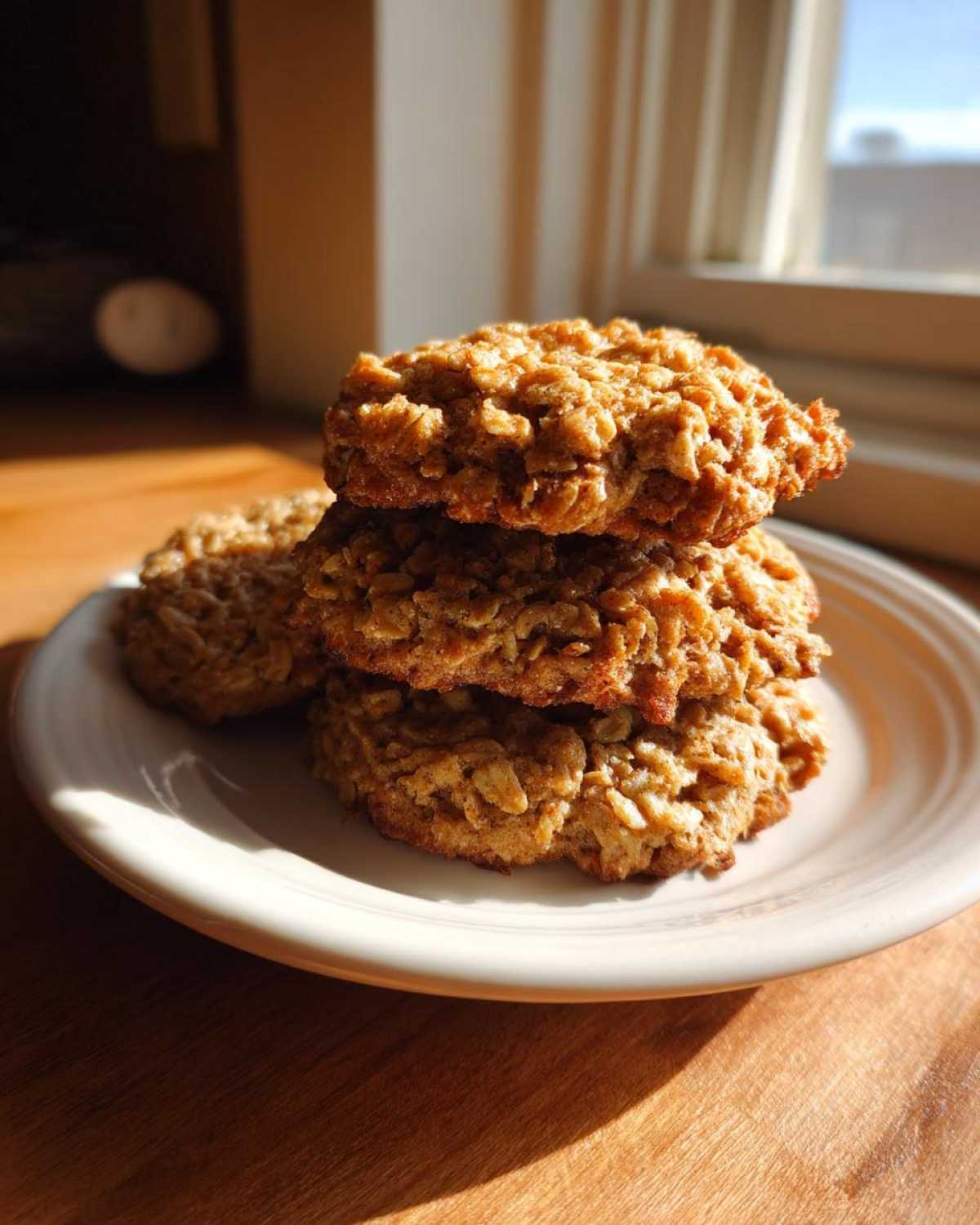
I still see people asking if they can just dump in the quick oats from the box, and look, you *can*, but it changes the game! Old-fashioned rolled oats are key because they hold their shape better and give you that classic, satisfying chew. If you look over at the recipe from I Heart Naptime, they often suggest using quick oats for a slightly more tender crumb, which is fine if you want that! But for our classic, chewy profile, stick to the big, flaky guys.
Another great trick is in the blending process itself. Remember how I told you to stir in the oats and chips with a spoon? Well, if you want a chewier, nuttier-tasting cookie that still melts in your mouth, try this: take about half of those 3 cups of rolled oats and pulse them in a food processor or blender until they look a bit more like coarse flour. Then, mix those pulsed oats in with the rest of the whole ones. See, the ground-up oats release more flavor and help bind things deliciously, but the whole oats keep that structural chewiness intact! It’s the best of both worlds for your oatmeal cookie.
Also, are you looking for a flatter, crispier edge? Then you need to gently flatten your dough balls with the bottom of a glass just before they go in the oven. Don’t press them down completely flat, just a gentle press to encourage even spreading. If you leave them perfectly mounded, they’ll stay thicker and softer in the middle. It really comes down to personal preference whether you want that crackly edge or total pillow status! For more fantastic, moist results in our baking adventures, check out my notes on making moist sour cream coffee cake.
Customizing Your Oatmeal Cookie: Add-Ins and Variations
This is my favorite part! Even though we nailed the classic oatmeal cookie recipe just the way it is written, baking is supposed to be personal, right? That’s why Jacob always tells me to leave room for creative flair. Our base recipe already accounts for either raisins or classic chocolate chips, but we should absolutely talk about expanding the flavor profiles here.
If you want to elevate this into a true comfort food baking experience, don’t be shy with other mix-ins! Chopped pecans or walnuts add an amazing crunch and a little savory depth that balances the sweetness. Dried cranberries or chopped dried apricots are wonderful if you want a slightly tart contrast, similar to how I use fruit in my cranberry orange cake. Just remember that if you use dried fruit, make sure it’s not rock hard; a quick soak in warm water beforehand helps them plump up and stay moist inside the cookie!
Also, if you are trying to make this accessible for a slightly healthier snack during the week—maybe filling that request for good breakfast cookies with oats—just leave out the chocolate chips and maybe try adding some unsweetened shredded coconut or a teaspoon of chia seeds when you mix in the dry ingredients. If sugar intake is a bigger concern, I saw a fabulous recipe where they use applesauce to cut the fat, which you can check out over at Q8 Rashaqa for their low-sugar approach. But whatever you choose, this oatmeal cookie dough is robust enough to handle whatever you throw into it and still come out chewy and delicious!
Storing and Reheating Your Homemade Oatmeal Cookies
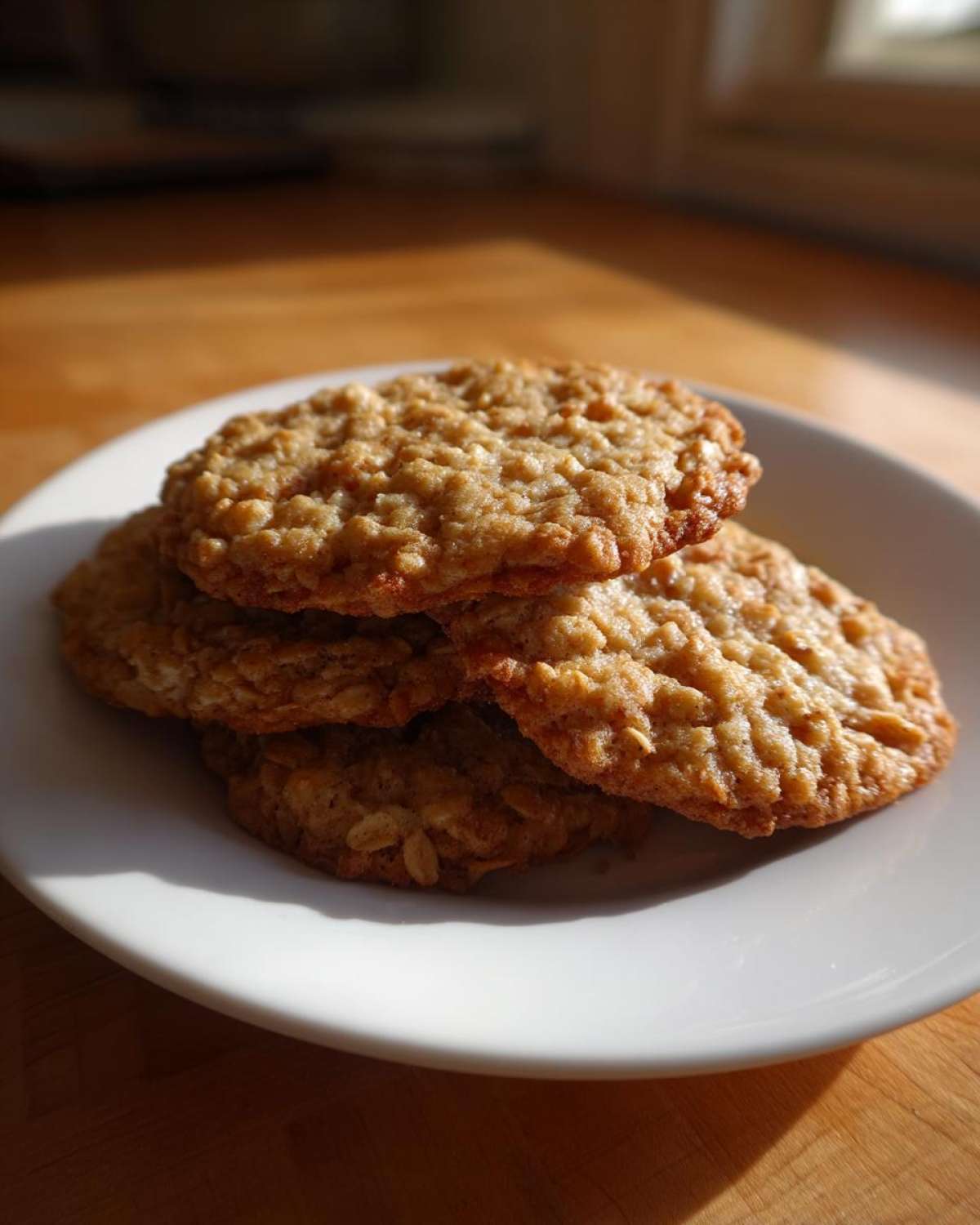
One of the greatest joys of baking an entire batch is having them available when those 3 PM cravings hit, but we have to talk strategy here. If you want these cookies to keep that incredible soft-baked texture we worked so hard to achieve, storage is everything. You absolutely cannot let them sit out in the open air. They will dry out faster than you can blink, and that chewy center will turn into something you need to dunk in milk just to soften!
Keep them in an airtight container at room temperature. That is the golden ticket. If you were making something really fragile, maybe I’d suggest layering them with parchment paper so they don’t stick together, but honestly, these cookies are sturdy enough that they usually stack just fine if you separate them with a small sheet of parchment every few layers. They seriously stay perfectly moist for almost a week this way—if they last that long! Jacob and I usually don’t get past day three before the container is empty.
Now, what if you accidentally left them out, or what if you just want one straight out of the container and you want it warm right now? Don’t worry, refreshing them is super easy. For one or two cookies, pop them in the microwave for about 8 to 12 seconds. Any longer and they might get tough, but that little burst of heat reactivates that wonderful buttery flavor and makes the center gooey again. It’s instantaneous gratification!
If you happen to be reheating a larger batch—say, four or five cookies—the oven or toaster oven is actually better. Set your oven to a low temperature, maybe 300°F (150°C), and just let them sit on the edge for about three minutes. This warms them all the way through without drying them out, and you get that lovely slightly crisp edge back too. These little tips are the result of a lot of trial and—okay, maybe a little bit of error—but they work! Speaking of great kitchen hacks, I have a wonderful guide for making easy homemade garlic butter that is perfect for dipping crusty bread while you enjoy these cookies!
Frequently Asked Questions About Making the Perfect Oatmeal Cookie
I always get a million questions when I post this recipe, and that’s okay! It means you care about making the absolute best chewy oatmeal cookies possible. Here are the things I hear most often as we transition from planning to baking!
Why don’t I need to chill the dough for this oatmeal cookie recipe?
This is one of the things that makes this recipe a lifesaver when you need a quick fix! Because we use a higher ratio of brown sugar than white sugar, and because we rely on the creaming method to create the structure, there isn’t enough fat migration happening to cause spreading issues during the short bake time. If you were using only white sugar or a lot of melted butter, chilling would be crucial to prevent your cookies from turning into flat lace. With this recipe, you can go from mixing bowl to oven in minutes for those quick and easy cookie recipes you crave.
Can I use quick oats instead of old-fashioned rolled oats?
You absolutely can, but prepare for a texture change! Old-fashioned oats are what give you that gorgeous, substantial chewiness—they hold their shape beautifully. If you substitute with quick oats, you’ll end up with a much more tender, almost cake-like texture in your soft baked oatmeal cookies. For our favorite result, pulse about half the rolled oats in a blender first to create a finer texture, then mix those with the rest of the whole oats. It’s a great trick for maximizing flavor without losing the overall chew!
Why did my homemade oatmeal cookies come out flat instead of thick?
Flat cookies almost always come down to one of three things, and we talked about how to fix them earlier! First, make sure your butter and sugar are creamed until genuinely light and fluffy; if they look like wet sand, you haven’t built enough air pockets. Second, check your leavening agent—if your baking soda is old, it won’t lift the dough properly. Third, if you flattened the dough balls too much before baking, they will naturally spread more. For thicker results, make sure you are dropping rounded tablespoons and leaving them in a nice dome shape!
Can this classic oatmeal cookie recipe be made healthier for a snack?
Yes! If you want to lean into the healthy feel of these being great breakfast cookies with oats, you can easily adapt it. As mentioned before, leave out the chocolate chips. If you’re looking to replace the sugar significantly, you might need to look into a specialized low-sugar oatmeal cookies recipe, but for a simple modification, substitute half the butter with an equal amount of unsweetened applesauce. This will change the texture slightly—making them a little softer—but it definitely cuts down on the richness!
How do I ensure these stay moist for days?
Moisture retention is the goal for any great oatmeal cookie! The key secrets here are the brown sugar ratio and the baking time. We specifically bake them until the edges are just set, leaving the centers slightly soft. When you store them in an airtight container, that residual moisture steams slightly, keeping the internal structure cakey and soft for days. For tips on other baked goods that stay moist, you might enjoy my notes on making easy, fluffy oatmeal pancakes—that same science applies!
Nutritional Estimates for This Oatmeal Cookie Recipe
I know some of you are planners like me, Amelia, and you want to see the numbers before you even start mixing! Jacob reminds me constantly that while we bake for love and comfort, it’s good to have an idea of what’s in the final product. So, here are the estimated nutrition facts for one of these soft, chewy cookies based on the ingredients listed.
Now, this is important: these are just guidelines, okay? Since we are making these homemade oatmeal cookies from scratch with real butter and brown sugar, the results can vary slightly depending on your brand of oats or the exact chocolate chips you use. Think of this as a baseline for your project planning!
- Serving Size: 1 cookie
- Calories: 180
- Fat: 9g (with 5g being saturated fat)
- Carbohydrates: 23g
- Sugar: 14g
- Protein: 2g
See? They are substantial! That’s why they taste so rich and comforting. These aren’t your low-sugar options (though we linked to one above if that’s what you need), but they are packed with energy from those oats and deliver pure joy. If you’re looking for another baked good that gives you great flavor without too much fuss, you should definitely look at my recipe for easy bakery moist pistachio muffins—that one is wonderfully balanced!
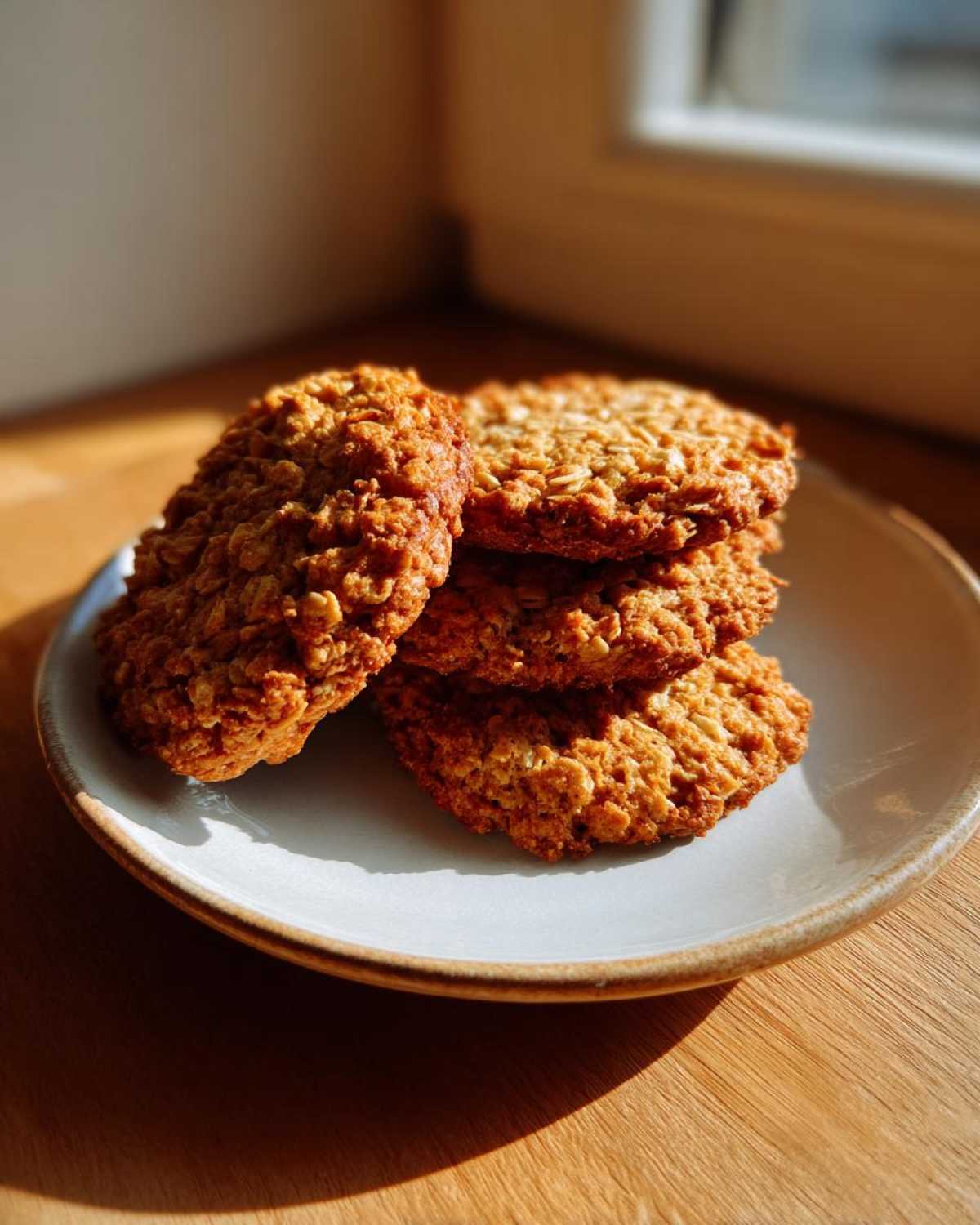
Classic Soft and Chewy One-Bowl Oatmeal Cookies

You can make these classic oatmeal cookies in just one bowl. They bake up perfectly soft and chewy with slightly crisp edges. This is a straightforward recipe you will want to save.
- Prep Time: 15 min
- Cook Time: 12 min
- Total Time: 27 min
- Yield: 24 cookies
- Category: Dessert
- Method: Baking
- Cuisine: American
- Diet: Vegetarian
Ingredients
- 1 cup (2 sticks) unsalted butter, softened
- 1 cup packed light brown sugar
- 1/2 cup granulated sugar
- 2 large eggs
- 1 teaspoon vanilla extract
- 1 1/2 cups all-purpose flour
- 1 teaspoon baking soda
- 1/2 teaspoon salt
- 3 cups old-fashioned rolled oats
- 1 cup mix-in of choice (raisins or chocolate chips)
Instructions
- Preheat your oven to 350°F (175°C). Line baking sheets with parchment paper.
- In a large bowl, cream together the softened butter, brown sugar, and granulated sugar until the mixture is light and fluffy. This is your base for the best chewy oatmeal cookies.
- Beat in the eggs one at a time, then mix in the vanilla extract.
- In a separate medium bowl, whisk together the flour, baking soda, and salt.
- Gradually add the dry ingredients to the wet ingredients, mixing on low speed until just combined. Do not overmix.
- Stir in the rolled oats and your chosen mix-in (raisins or chocolate chips) using a wooden spoon or spatula.
- Drop rounded tablespoons of dough onto the prepared baking sheets, spacing them about 2 inches apart.
- Bake for 10 to 12 minutes, or until the edges are set and lightly golden brown. For softer centers, pull them out closer to 10 minutes.
- Let the oatmeal cookies cool on the baking sheet for 5 minutes before transferring them to a wire rack to cool completely.
Notes
- For extra flavor in your homemade oatmeal cookies from scratch, use quick oats instead of rolled oats for a more tender texture, or blend half the oats before adding them for a nuttier flavor.
- If you prefer crispy edges, flatten the dough balls slightly before baking.
- This recipe works well for breakfast cookies with oats; simply omit the chocolate chips if you prefer a less sweet option.
Nutrition
- Serving Size: 1 cookie
- Calories: 180
- Sugar: 14g
- Sodium: 105mg
- Fat: 9g
- Saturated Fat: 5g
- Unsaturated Fat: 4g
- Trans Fat: 0g
- Carbohydrates: 23g
- Fiber: 1g
- Protein: 2g
- Cholesterol: 30mg