

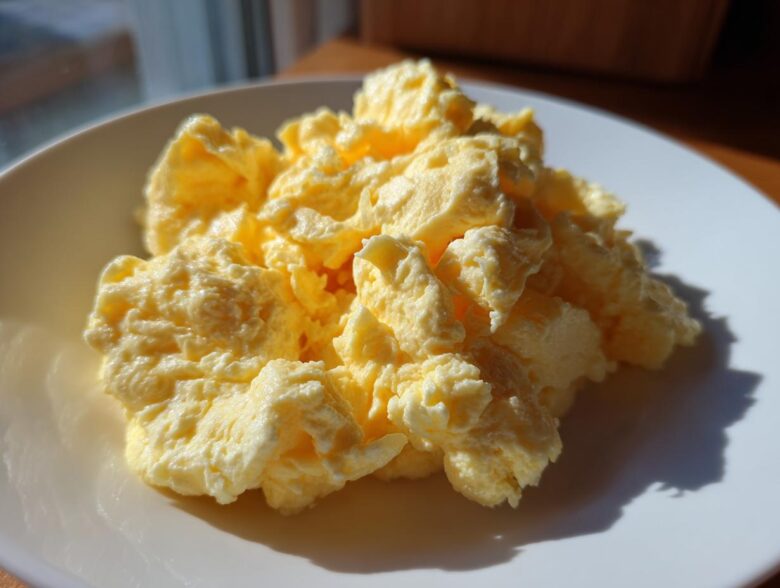
Oh, honey, let’s talk about the humble scrambled egg. It sounds so simple, right? Just crack, whisk, and flip? Wrong! For years, I struggled to get those magazine-worthy, soft-set masterpieces. Mine were either rubbery hockey pucks or sad, soupy messes. It drove me nuts! But I finally cracked the code—literally and figuratively. This detailed guide isn’t just another recipe; it’s the exact method I use to nail the “best ever” version every single morning. If you’re tired of dry results, you’re in the right place because we are learning how to make truly fluffy AND creamy scrambled eggs that feel gourmet but take five minutes. I’ve spent countless mornings experimenting with heat and agitation, and I can tell you, the secret is all in the patience (which, trust me, I never thought I had until eggs were involved!).
If you want to see more amazing Easy Breakfast Recipes like this one, stick around!
Why You’ll Love These Perfect Scrambled Eggs
I know you’ve made scrambled eggs a million times, but I promise you, these are different. They hit that sweet spot every time. I’m giving you the power to stop settling for mediocre mornings. These are genuinely the fluffiest, creamiest scrambled eggs you’ll ever make at home. Here’s why you need to try them today:
- Texture Guaranteed: Fluffy and Creamy Scrambled Eggs
- Quick Egg Meals: Ready in Under 10 Minutes
- Simple Egg Techniques that require zero fancy equipment
- The perfect foundation for any Gourmet Egg Breakfast
Texture Guaranteed: Fluffy and Creamy Scrambled Eggs
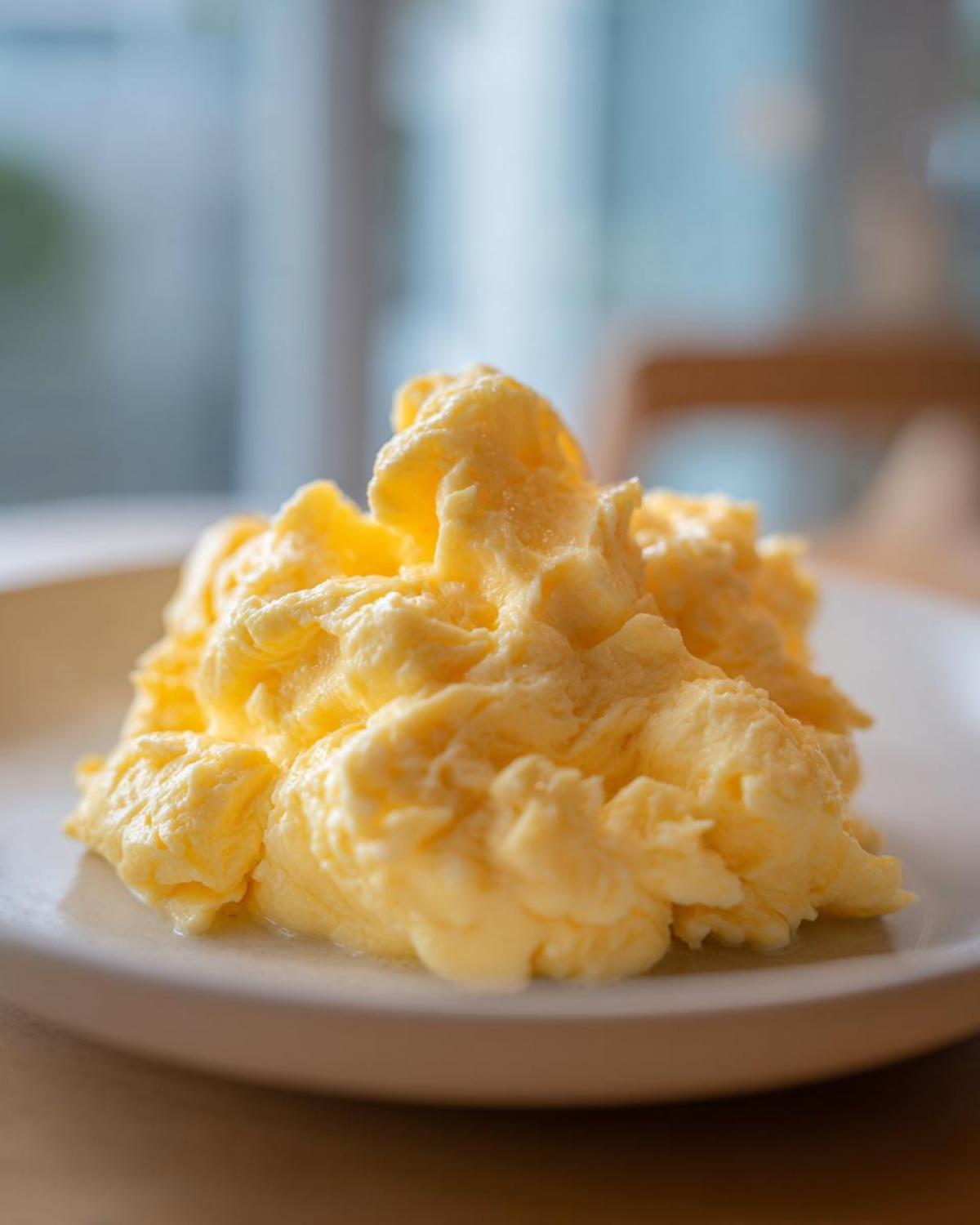
This is the big one! Everyone wants eggs that are soft when you bite into them but still feel substantial enough to call a meal. We manage to get both the airy lift of a fluffy egg and the smooth, velvety coating of a creamy one, all in the same pan. It’s a balancing act, and I’m showing you the exact rhythm to follow.
Quick Egg Meals: Ready in Under 10 Minutes
When it comes to making this a go-to as an Easy Breakfast Recipe, speed matters just as much as taste. You’re only looking at about 5 minutes on the stove, tops. That means you can have a fantastic, high-protein meal ready before your toast even finishes popping!
Essential Ingredients for Superior Scrambled Eggs
You don’t need a million fancy things for great eggs—in fact, the fewer ingredients, the better, as long as they are high quality! We are only using four core components here, plus seasoning. I always grab four large eggs for a satisfying single serving. Make sure your butter is good quality; it really shines through! Those little changes make a huge difference between a standard breakfast and what I call Gourmet Egg Breakfast quality.
Here’s what you’ll need:
- 4 large eggs (Room temperature is a bonus, just saying!)
- 2 tablespoons whole milk or heavy cream (Decide your texture preference here!)
- 1 teaspoon unsalted butter (Don’t skimp on flavour!)
- A healthy pinch of salt
- And just a tiny crack of black pepper
Ingredient Notes and Substitutions for Your Scrambled Eggs
Okay, let’s talk dairy. This is where you tell your eggs what kind of personality they’re going to have! If you are chasing that fluffy vibe, use the cold milk; it incorporates quick air pockets. But if you want that rich, velvety texture we talked about, swap that milk for heavy cream. Cream slows down the cooking process slightly and gives you the most incredible mouthfeel. And listen up on the salt: always add it *before* cooking! Salting your eggs right before they hit the pan helps break down the proteins so they cook evenly and stay tender. If you wait until the end, the salt just sits on the outside, making your How To Make Creamy Scrambled Eggs attempt slightly gritty.
Mastering Breakfast Eggs: Step-by-Step Scrambled Eggs Instructions
This is where the magic happens, and honestly, it’s where most people mess up. They crank the heat up to medium-high because they are hungry *now*. Don’t do it! If you want those gorgeous, thick curds that melt in your mouth, you have to commit to the low and slow method. This whole process takes about five minutes of actual cooking time, but it requires your full attention. Grab your whisk and spatula, because here’s exactly how I whip these up for my Easy Breakfast Recipe of choice.
The Whisking Technique for Fluffy Scrambled Eggs
Before anything hits the pan, we need air! Crack those eggs into a bowl—four of them, remember? Now, add your salt, pepper, and milk (or cream). I use a regular balloon whisk or even a fork and I beat them like I mean it. You want to incorporate as much air as you possibly can without turning it into meringue. Keep whisking vigorously until that mixture is totally uniform, pale yellow, and slightly frothy on top. This initial aggressive whisking is the main trick behind getting genuinely Best Fluffy Eggs instead of just runny yolks.
Low and Slow: Cooking Scrambled Eggs to Perfection
First, heat management is everything. Put your non-stick skillet over low heat and drop in that teaspoon of butter. You want it melted and swirling nicely, coating the pan, but absolutely no browning or sizzling—if it sizzles loudly, your pan is too hot! Pour in the whisked eggs. Let them sit untouched for about thirty seconds. Just watch the edges start to haze over. Now, take your rubber spatula—a plastic or silicone one is best so you don’t scratch your pan—and gently push the cooked edge toward the center. Tilt the pan so the runny stuff slides underneath where the heat is. Keep doing this slow push-and-fold technique. This gentle movement is what creates those beautiful, soft folds that result in Soft Cooked Eggs. When they look about 90% done—still slightly glossy and wet—pull the pan right off the burner. They will finish cooking themselves on the residual heat, transforming into those perfect Velvety Scrambled Eggs.
Tips for Success When Making Gourmet Egg Breakfast Scrambled Eggs
I’ve given you the method, but learning any technique always involves avoiding the pitfalls, right? If you follow the low-and-slow mantra, you’ll already be miles ahead of 90% of home cooks. But here are my three non-negotiable tips for truly mastering Mastering Breakfast Eggs and getting those picture-perfect results every single time.
First big tip: never whisk your eggs too far ahead of time! It’s tempting to whisk a giant bowl for the whole family, but once you add that liquid and salt, the proteins start breaking down right away. If you let that mixture sit on the counter for 15 minutes while you get dressed, you’re going to end up with lackluster eggs. Whisk them the moment you turn the heat on, not before. This is a crucial part of achieving those Perfect Egg Texture Tips.
Second, clean your pan immediately after! I know, cleanup is the worst, but residual heat in a pan can absolutely ruin your leftover eggs if you try to reheat them later. If you *must* save some, put them into a cool bowl the second they come off the heat. If you leave them sitting in that warm pan, they will instantly deflate and turn grainy. That’s called carryover cooking, and it’s the enemy of soft eggs.
And finally, my little secret for preventing sticking even with non-stick pans: wipe out the pan with a paper towel *after* the butter melts and *before* you pour the eggs in. Sounds weird since you just added fat, but it helps spread that thin layer of butter evenly across the surface and removes any tiny bits that might burn and cause sticking. It’s a small step that really guarantees a clean release, perfect for those beautiful, wide curds!
Variations: Scrambled Eggs with Cheese and Chives
Now that you’ve mastered the base technique for those dreamy, soft-set eggs, it’s time to dress them up a bit! We don’t want to mess with the cooking time too much, because remember, the goal is the perfect texture. Adding things too early—like cheese—will raise the temperature too fast and cause them to seize up and turn rubbery. No thanks!
I love keeping things simple, but these two additions elevate the experience straight into Comfort Food Morning Meals territory without demanding extra cooking time.
Scrambled Eggs with Cheese
If you’re going to add cheese, you absolutely must wait until the very last second. Remember how I said to take the pan off the heat when the eggs are still glossy and slightly wet? *That* is your window for cheese.
I usually grab about a quarter cup of coarsely grated sharp cheddar or Monterey Jack. Sprinkle it over the eggs right as you take the pan off the burner. Use your spatula to gently fold the cheese into the hot eggs once or twice. The residual heat is more than enough to melt it into gorgeous, creamy puddles throughout the eggs without actually cooking the eggs any further. This is the secret to avoiding stiff, greasy Scrambled Eggs with Cheese!
Scrambled Eggs with Chives
Fresh herbs brighten everything up, and chives are just heavenly with eggs. They add a subtle oniony freshness that makes your breakfast feel genuinely special. For chives, you have a little more flexibility! You can add them during the whisking stage (though some of the flavor cooks out) OR you can do what I prefer.
I finely snip a tablespoon or so of fresh chives and sprinkle them directly over the finished product, right before serving. They keep that bright green pop and their fresh flavor sings against the creamy richness of the eggs. This is a simple way to make your Scrambled Eggs with Chives feel like something you ordered at a fancy cafe.
Serving Suggestions for Your Comfort Food Morning Meals
So, you’ve got this incredible pile of perfectly cooked eggs sitting there—what do we serve them with? Because these are so rich and decadent, you don’t need a huge mountain of food next to them. For me, the perfect accompaniment keeps things simple and classic. I love pairing mine with a couple of slices of crispy, thick-cut bacon or—if I’m going lighter—a slice of toasted sourdough bread for dipping.
Another favorite among the family, turning this into a full Classic Breakfast Dish, is serving them alongside some roasted cherry tomatoes. They burst with sweetness and juice that cuts through the butter beautifully. If you want something truly hearty, a side of hash browns or even a scoop of my Loaded Potato Casserole recipe makes this the ultimate Sunday brunch!
Storage and Reheating Instructions for Leftover Scrambled Eggs
Okay, real talk: these beautiful, creamy scrambled eggs are truly at their peak glory the minute they leave the pan. Seriously, eat them right away if you can! They are so delicate that they don’t exactly love being stored. But hey, sometimes life happens, and we end up with a tiny bit left over—especially if you’re cooking for one and accidentally made a double batch while testing out the technique. I get it!
If you must store them, you need to be quick because overcooking starts happening the moment they hit the cool air. Put any leftovers into a chilled, airtight container immediately. Don’t let them sit on the counter waiting for later; that residual heat will keep cooking them until they look like rubber. Once they are chilled, they’ll last safely in the fridge for about two days max. This way, you have a quick option for a 5 Minute Breakfast the next morning!
Now, for reheating—and I won’t lie, this is tricky. You can’t just blast them in the microwave. That’s the fastest way to turn your perfectly soft eggs into something suitable for concrete repair. If you’re trying to revive them, the key is low heat and adding back moisture.
The best method I’ve found is to put the leftovers in a small, non-stick pan over *very* low heat. Add a tiny splash of milk or even just a teaspoon of water—whichever you used originally. Stir them constantly, gently, just until they warm through. Do not let them bubble or sit still! They won’t ever be *quite* as fluffy as the first time, but adding that liquid helps them absorb moisture and prevents them from drying out completely, making them almost palatable again. It’s the only way I can convince myself to keep them for my next Low Carb Breakfast Eggs meal!
Frequently Asked Questions About Making Scrambled Eggs
I get so many messages about what went wrong when people try my method, so I figured I’d put the most common snags right here at the end. These questions usually circle back to texture, which we have worked so hard to perfect! These answers should help you troubleshoot if your results aren’t quite matching mine. Mastering basic Simple Egg Techniques is what separates the good cooks from the great ones!
Is it better to use milk or cream in scrambled eggs?
Oh, that’s the ultimate debate, isn’t it? It really depends on which texture you are chasing that morning! Personally, if I want those really big, soft, fluffy layers, I lean towards using cold whole milk because it has just enough water content to create lightness when whisked. However, if you are looking for the absolute richest, most decadent, spoon-coating experience—the kind that feels straight out of a five-star hotel—heavy cream is the way to go. The fat in the cream coats the proteins beautifully, giving you those gorgeous Velvety Scrambled Eggs. You can’t go wrong either way, but know that cream equals richness, and milk leans toward fluffiness!
What pan material is best for achieving perfect egg texture?
If you try making these delicate scrambled eggs in a heavy stainless steel pan, I guarantee you’ll have sticking, and you’ll end up with half your breakfast stuck to the bottom. For the soft-cooked, low-and-slow method, you absolutely need a low-stick surface. My recommendation is always a good quality non-stick skillet. It ensures that the heat spreads evenly, which is vital when you are using low heat. Plus, cleanup is a dream, and it lets you use less butter, which keeps the whole dish feeling lighter. Seriously, save your cast iron for searing and stick to non-stick for anything delicate!
I also get asked a lot if you can make them in a saucepan, which you certainly can if it’s non-stick or enameled, but you must stir almost constantly! The bottom surface area is smaller, so things heat up faster there. For wider, fluffier curds, the wide surface of a skillet wins every time.
Why do my scrambled eggs always turn out dry instead of creamy?
This is usually a heat and timing problem. If you’re cooking them over medium or medium-high heat, they are cooking too fast! When the heat is too high, the water evaporates out of the eggs before the fats and proteins can really set into that creamy structure. It goes from perfectly cooked to dry in about ten seconds flat, I swear. My number one tip for avoiding this—and this is vital for creamy results—is to pull the pan off the heat when the eggs look slightly underdone, even a little glossy. I mean, they should look like they still need another minute! That residual heat that’s trapped in the pan and the eggs themselves will finish the job just perfectly on the delivery to your plate. No extra heat means moist results!
If you want to check out some equally amazing, moisture-forward recipes, take a peek at my Soft Chewy Classic Snickerdoodles recipe sometime!
Estimated Nutritional Data for These Scrambled Eggs
Now, I always feel a little weird posting nutrition facts because, honestly, when I’m whipping up my favorite Low Carb Breakfast Eggs, I’m really focused on flavor and texture, not counting every last calorie! These numbers are just an approximation based on the standard ingredients I listed (using whole milk, not cream, for consistency in testing). If you add extra cheese or switch to heavy cream, things will definitely change!
But for those of you who track macros or just like knowing what you’re eating, here’s the general breakdown for one serving of these perfect scrambled eggs:
- Calories: Roughly 200
- Fat: Around 15 grams (Mostly good fats from the egg yolks and butter!)
- Protein: About 13 grams (A solid start to any day!)
- Carbohydrates: Very low, usually 2 grams or less
- Sugar: Practically zero, just 1 gram naturally occurring
- Cholesterol: Remember that eggs are high in cholesterol, typically around 450mg here, but please don’t stress the yolks too much unless your doctor says so!
Think of this as simple, wholesome morning food that keeps you full and happy until lunchtime. If you’re looking for other wholesome, Low Carb Breakfast Eggs recipes that follow this ethos, be sure to check out my zucchini lasagna recipe—it tastes way far out and fits perfectly into a Wholesome Morning Food lifestyle when you swap out the pasta!
PrintThe Ultimate Fluffy and Creamy Scrambled Eggs Recipe
Learn the simple technique to make perfectly fluffy yet creamy scrambled eggs every time. This recipe focuses on low heat and gentle stirring for a superior breakfast texture.
- Prep Time: 3 min
- Cook Time: 5 min
- Total Time: 8 min
- Yield: 1 serving
- Category: Breakfast
- Method: Stovetop Cooking
- Cuisine: American
- Diet: Vegetarian
Ingredients
- 4 large eggs
- 2 tablespoons whole milk or heavy cream
- 1 teaspoon unsalted butter
- Pinch of salt
- Pinch of black pepper
Instructions
- Crack the eggs into a medium bowl. Add the milk or cream, salt, and pepper. Whisk vigorously until the mixture is uniform in color and slightly frothy.
- Place a non-stick skillet over low heat. Add the butter and let it melt completely until it coats the bottom of the pan. Do not let the butter brown.
- Pour the egg mixture into the warm skillet. Let the eggs sit undisturbed for about 30 seconds until the edges just begin to set.
- Using a heat-resistant rubber spatula, gently push the cooked egg from the edge toward the center, tilting the pan so the uncooked egg flows underneath.
- Continue this gentle pushing and folding motion every few seconds. Keep the heat low.
- When the eggs are mostly set but still look slightly wet and glossy, remove the pan from the heat. The residual heat will finish cooking them to a creamy consistency.
- Serve immediately for the best texture.
Notes
- For extra fluffiness, add 1 teaspoon of cold water instead of milk and whisk until slightly bubbly.
- For a creamier result, use heavy cream and cook slower, stirring constantly once the eggs start to set.
- If adding cheese, stir it in during the last 30 seconds of cooking, just before removing from the heat.
Nutrition
- Serving Size: 1 serving
- Calories: 200
- Sugar: 1
- Sodium: 150
- Fat: 15
- Saturated Fat: 8
- Unsaturated Fat: 7
- Trans Fat: 0
- Carbohydrates: 2
- Fiber: 0
- Protein: 13
- Cholesterol: 450