

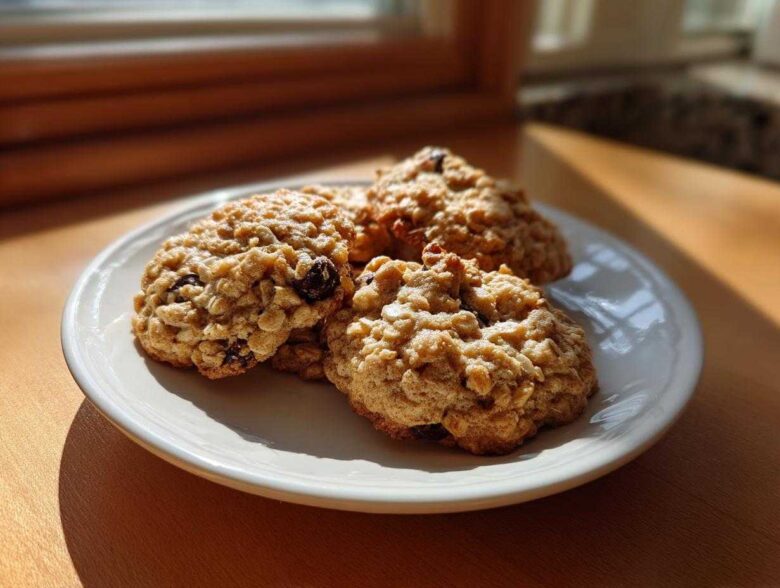
There is nothing quite like the smell of homemade cookies wafting from the oven, right? It’s instant comfort, pure and simple. And when it comes to comforting bakes, you just can’t beat a traditional oatmeal cookie. I’ve spent years messing around with flour ratios and chilling times to nail down one specific texture, and I finally cracked the code!
This isn’t just any recipe; this is my blueprint for the classic oatmeal cookie that manages that amazing feat: a wonderfully soft and impossibly chewy middle, surrounded by just the right amount of crisp, golden edge. Seriously, after batch number twenty-seven, I knew I had found the one. Trust me when I say this specific ingredient balance yields the most satisfying bite every single time you make these from scratch. If you love that rich depth of flavor you get in a brown butter bakery cookie, you’re going to adore the subtle warmth here!
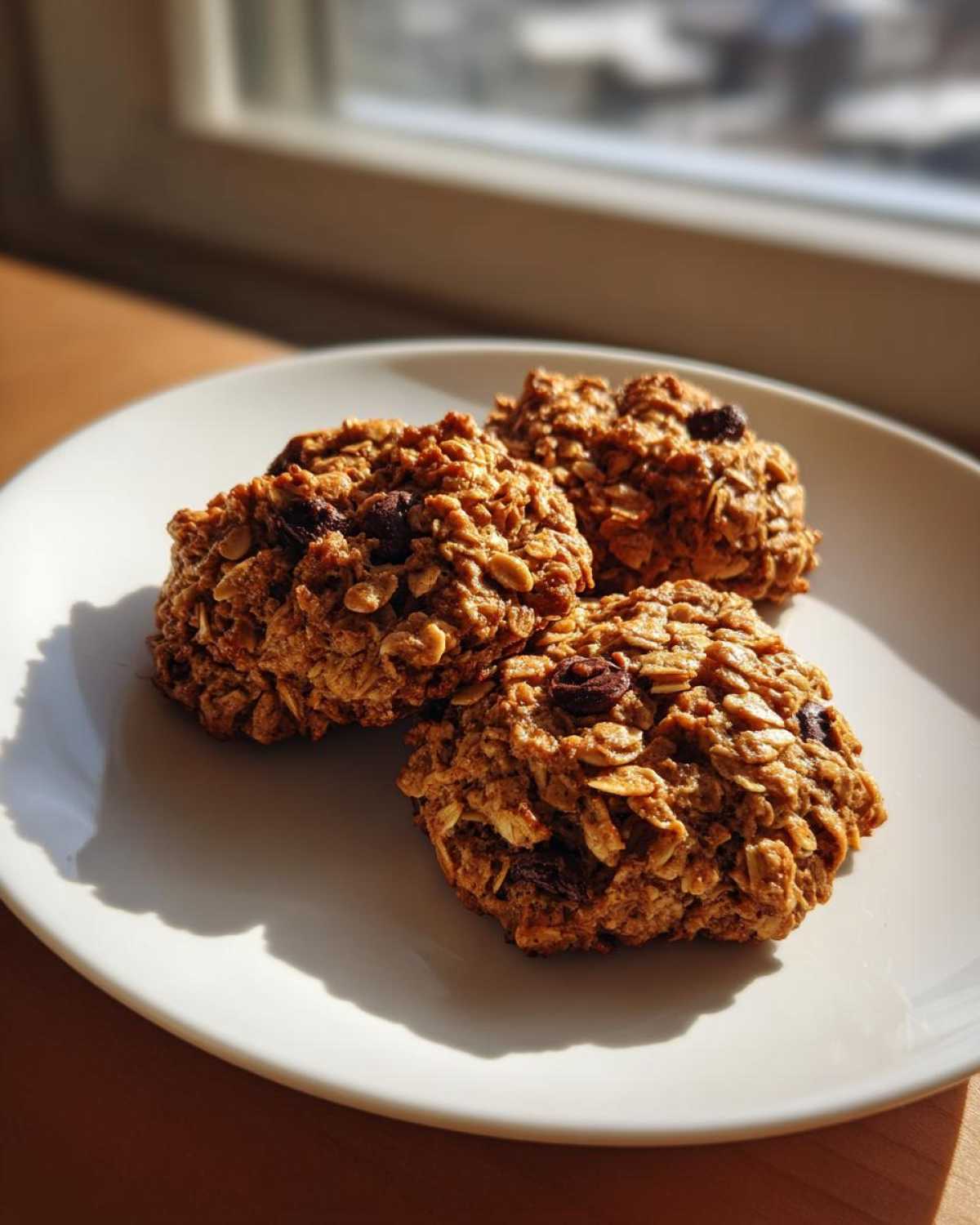
Why This Classic Oatmeal Cookie Recipe Works So Well
The reason this recipe always ends up on my ‘must-make’ list—especially when I need comfort food baking in a hurry—boils down to texture and speed. You get bakery results without any fuss! I’ve linked my favorite snickerdoodle recipe too, if you need another hug in a baked good form. These snickerdoodles are amazing!
- The edges brown up beautifully while the center stays wonderfully soft.
- It absolutely requires minimal dishes—we’re talking one primary bowl here!
- The flavor profile is perfectly balanced between sweet, spiced, and nutty.
Achieving the Perfect Soft Baked Oatmeal Cookies Texture
For soft baked oatmeal cookies, you need to trust the brown sugar. That molasses content is non-negotiable; it keeps everything moist and chewy long after they leave the pan. Also, don’t even think about using instant oats! We need the structure that only old-fashioned rolled oats provide when they soak up the moisture during baking.
The Simplicity of Our Easy One Bowl Oatmeal Cookies
If cleanup is holding you back from baking, this recipe is your answer. Once the butter and sugars are creamed, everything else goes right into that same bowl. Seriously, after you stir in the oats, just grab a spoon and get ready for some seriously easy one bowl oatmeal cookies. It’s the perfect quick and easy cookie recipe for a weeknight!
Gathering Ingredients for Your Homemade Oatmeal Cookies from Scratch
Okay, time to talk supplies! This recipe for homemade oatmeal cookies from scratch is pretty streamlined, but paying attention to the state of your ingredients makes all the difference. I always grab my ingredients before I even turn the mixer on—it keeps me organized and stops me from, say, forgetting the salt! You’ll notice we rely heavily on one full cup of packed light brown sugar. That’s what gives us the chew!
Here is the lineup you’ll need for about two dozen cookies. Remember, everything needs to be measured accurately, especially the flour and the oats. I keep forgetting to link my favorite muffin recipe here, too, in case you need something lighter—give these pistachio muffins a try!
- 1 cup (2 sticks) unsalted butter, always softened (not melted!)
- 1 cup packed light brown sugar (yes, pack it tight!)
- 1/2 cup white granulated sugar
- 2 large eggs
- 1 tablespoon vanilla extract – don’t skimp here!
- 1 1/2 cups all-purpose flour
- 1 teaspoon baking soda
- 1 teaspoon ground cinnamon
- 1/2 teaspoon salt
- 3 cups old-fashioned rolled oats (this is important!)
- 1 cup mix-ins, like semi-sweet chocolate chips or raisins
Ingredient Notes and Substitution Tips for the Oatmeal Cookie
Let’s get serious about those oats for a minute. You absolutely must use old-fashioned rolled oats here. Instant oats dissolve too quickly and you end up with a weird, dense paste instead of that lovely, hearty texture we want in an oatmeal cookie. If you’re worried about the sugar, I totally get it! If you check the notes section, you’ll see you can pull back the granulated sugar to just 1/4 cup if you want to go truly low sugar.
Also, if you are using raisins, sometimes they are rock hard straight from the box. For the softest results, I’ll give them a quick 10-minute soak in hot water first, then pat them dry thoroughly. Nobody likes a dry cookie stealing moisture!
Step-by-Step Instructions for the Best Chewy Oatmeal Cookies
Alright, the moment of truth! Getting the best results for these classic oatmeal cookie recipe calls for paying close attention to the mixing stages. I always preheat my oven to 350 degrees F right before I start so it’s ready when the dough is. Parchment paper goes on my baking sheets—it’s the best for cleanup, trust me!
It takes about 27 minutes total once you start mixing, which is a miracle for a cookie this good. If you’re feeling inspired after these, you have to try my oatmeal pancakes!
Creaming Fats and Sugars for the Classic Oatmeal Cookie Recipe
This is where the structure starts! In your big bowl, you need to beat the softened butter, brown sugar, and white sugar until it looks genuinely light and fluffy. I mean it—set a timer for about three full minutes if you’re using a mixer. When you add your two eggs, do them one at a time, beating well after each addition, followed by that vanilla extract. If this base isn’t light, your cookies won’t cooperate later!
Combining Dry Ingredients and Folding in Oats for the Oatmeal Cookie
While the wet stuff is mixing, quickly whisk your flour, baking soda, cinnamon, and salt together in a separate smaller bowl. Now, add that dry mix to your creamy wet base, but only on low speed, and stop mixing the second it’s just combined. Seriously, stop! Overmixing flour develops gluten and gives you cakey, not chewy, oatmeal cookies. After that, ditch the mixer and use a wooden spoon to gently stir in those 3 cups of rolled oats and any mix-ins you choose.
Baking and Cooling Times for Optimal Oatmeal Cookie Results
Scoop rounded tablespoons onto those prepared sheets, leaving about two inches between them so they have room to stretch out. Bake for 10 to 12 minutes. You’re looking for edges that are golden brown, but the centers should still look slightly soft—that’s the secret to best chewy oatmeal cookies. Let them sit right there on the hot baking sheet for a full five minutes before moving them to a cooling rack. If you transfer them too soon, they fall apart!
Customizing Your Oatmeal Chocolate Chip Cookies Recipe
Okay, I know the base recipe is perfection, but sometimes you just need to doctor things up a bit, right? That’s why the stand-alone cup of mix-ins is listed as optional but highly encouraged! For me, it’s almost always chocolate chips, but I know many of you are steadfast raisin fans. The great thing about this recipe is that it handles both wonderfully.
If you go the chocolate chip route, and I’m not going to lie, I prefer it, try using a high-quality chip. I swear by mixing semi-sweet with a few dark chocolate chunks—it gives you that delightful molten texture and a richer flavor contrast against the oatmeal. If you want to try my favorite peanut butter variation, check out these peanut butter cup cookies!
Making Oatmeal Raisin Cookies Soft and Chewy with Flavor Enhancements
If you’re making oatmeal raisin cookies soft and chewy, the biggest game-changer is making sure those raisins aren’t dried out little pebbles! I mentioned it briefly before, but if your raisins look sad, throw them into a little bowl with some hot water or even apple juice for about ten minutes before you start mixing the wet ingredients. Pat them totally dry afterward, really dry, so they don’t throw off the flour ratio.
Another trick I use when I know I’m making a batch destined for the raisin lovers is adding a splash more vanilla extract—maybe an extra half teaspoon—to boost the overall sweetness illusion. It really helps the raisin flavor sing without having to dump in more sugar overall! It’s such a simple addition but makes a noticeable difference in moistness.
Tips for Success When Baking Any Oatmeal Cookie
Even with the best recipe, sometimes the dough doesn’t behave! If your oatmeal cookies are spreading out into thin little puddles on the sheet, it usually means your butter was too warm, or you skipped chilling the dough. Next time, try chilling the dough for 30 minutes before scooping. A cold dough holds its shape much better in the heat of the oven.
If you made the mistake of using instant oats and ended up with dry, crumbly cookies, don’t toss the batch! You can salvage them by adding a tiny bit more vanilla and maybe a tablespoon of applesauce next time around. For now, let’s talk about achieving that dream texture.
How to Make Oatmeal Cookies Crispy and Chewy Simultaneously
This is my favorite way to bake them, honestly! You want a crisp edge but that soft middle, right? The trick is in the scoop and flatten. Scoop your dough balls slightly smaller than you normally would. Then, when you place them on the sheet, gently use the bottom of a glass (maybe dip it quickly in flour first!) to press the dough ball down until it’s about three-quarters of an inch thick. This pre-flattens them so the edges get exposure faster.
When they bake, the edges are basically baked flat, meaning they crisp right up. But because the center is still thick, it cooks slower, keeping that gorgeous, gooey, chewy texture we are aiming for. It works like magic, honestly. Check out my tips for ultimate sugar cookies for more shaping advice!
Storage and Reheating Instructions for Freshness
No matter how perfect the batch, cookies never last long in my house, but I know some of you need to save them for later—or maybe you just want to have ready-to-bake dough on hand! Managing your homemade oatmeal cookies is actually super straightforward, whether they are baked or raw.
Once cooled completely—and I mean totally room temperature, or they will sweat in the container—store them in a truly airtight container at room temperature. If you don’t seal them tight, they’ll go stale fast. They stay wonderfully fresh this way for about four good days. If you need them to last longer than that, grab your freezer bag!
Freezing the dough balls is genius, especially when you manage to make a double batch. Just scoop the dough, place the balls on a parchment-lined tray, and freeze them solid until they are rock hard. Then, transfer them to a heavy-duty zip-top bag. When you want a dessert later, just pull out what you need and pop them straight from the freezer onto a baking sheet. They might need an extra minute or two in the oven, but they bake up just as soft!
If you already baked them and need to revive a day-old cookie, don’t use the microwave! That just makes them tough. Microwave your favorite dipping liquid instead—I love warming up a mug of milk—or wrap the cookie in foil and place it in a 300-degree oven for just four minutes. That quick blast of dry heat brings back that beautiful texture wonderfully. If you love rich desserts, you need to see how fudgy my date brownies are; I keep those frozen too! Check out the recipe here.
Serving Suggestions for Your Homemade Cookies
Now that you have a tower of perfect, warm oatmeal cookies, the biggest question remains: what do you eat them with? Honestly, they are fantastic all by themselves—especially when they’re still warm with slightly melty chocolate chips. The mix of oats and cinnamon makes them so hearty, they almost feel like a snack or even a breakfast cookie!
But since nothing beats tradition, you know I’m going to recommend a tall, cold glass of whole milk right next to the cooling rack. It’s the ultimate comfort food pairing for a reason! The milk cuts through the sweetness just enough, and dunking them softens the cookie even more.
If you prefer a warm beverage, these cookies absolutely demand a strong, freshly brewed cup of coffee. The bitterness of the coffee pairs beautifully with the molasses notes from that brown sugar we used. If you’re trying to make a morning out of it, try serving them alongside one of my quick smoothie recipes for a balanced start. You can find that quick coffee smoothie recipe right here!
And for the grand finale? A scoop of vanilla bean ice cream. Don’t even try to be fancy; just take a warm cookie, stick it on top of the cold ice cream, and let the flavors mingle together as you eat it quick before it melts everywhere. That contrast between the warm, spicy cookie and the cold, creamy vanilla is simply unbeatable!
Frequently Asked Questions About Oatmeal Cookies
Whenever I share this recipe, people always have great questions about tweaking it to fit exactly what they need. It’s fantastic how versatile a good classic oatmeal cookie recipe can be! Here are the things I get asked most often, especially regarding texture and ingredients.
Can I use quick oats instead of old-fashioned oats?
Oh, I really wouldn’t recommend it if you are aiming for chewy cookies! Quick oats, also called instant oats, are rolled thinner and have been steamed slightly longer. If you use them in this recipe, they break down way too much when baking, making your cookies dense, flat, and more cake-like than chewy. Stick to old-fashioned rolled oats for the necessary structure!
Why are my oatmeal cookies spreading too much when I bake them?
This is a super common issue, and nine times out of ten, it’s because the butter was too soft—maybe even slightly melted—when you creamed it. Or, sometimes people forget to chill the dough! Remember how I mentioned in the instructions that the centers should look slightly soft when you pull them out? If that dough is too warm, it melts into a puddle before the flour has time to set. Next time, be diligent about softening the butter just right, and chill the dough balls for at least 30 minutes before they hit the heat for flatter, crispier edges!
Are these considered healthy oatmeal cookies or breakfast cookies with oats?
Well, they’re definitely a dessert, but they have some really good stuff in them! Because they are packed with three cups of oats, they have way more fiber and staying power than a regular sugar cookie. They certainly work as a hearty snack or a better-for-you indulgence. If you want to push them toward being true breakfast cookies with oats, halve the sugar content (as noted in the recipe tips) and throw in some flaxseed instead of chocolate chips!
If you want to see a truly healthier take on an oat treat, you might enjoy my recipe for banana oatmeal muffins. They are fantastic for grab-and-go mornings!
What is the best way to store soft baked oatmeal cookies?
To keep those centers truly soft, the container needs to be airtight. Period. If you leave them exposed on a plate, they dry out fast! I usually store them in a plastic container with a tight-fitting lid at room temperature. They usually stay perfectly moist for about four days like this. If you need them to last longer, you have to freeze them—but make sure they are completely cool first, or you’ll end up with a sticky mess inside your container!
Nutritional Estimates for This Dessert Recipe
I always feel a little weird posting this part because let’s be honest, we’re making cookies here for joy, not for tracking every single macro! But since I know some of you are tracking things like lower sugar options or watching fat intake, I did run these through a calculator based on the standard recipe yield of 24 cookies.
Please remember these are just estimates! They vary wildly based on what brand of butter you use or if you decide to load yours up with extra chocolate chips instead of raisins. If you’re curious about my baking philosophy or sourcing, you can always read more about us here: Check out our About Us page!
For one standard cookie, here’s what you can generally expect:
- Serving Size: 1 cookie
- Calories: About 180
- Fat: 9g (with 5g of that being saturated fat—that’s the butter working hard!)
- Carbohydrates: 24g
- Sugar: 13g
- Protein: 3g
Classic Soft and Chewy Oatmeal Cookies

Make soft and chewy oatmeal cookies from scratch using this simple one-bowl recipe. This recipe yields classic cookies with slightly crisp edges.
- Prep Time: 15 min
- Cook Time: 12 min
- Total Time: 27 min
- Yield: 24 cookies
- Category: Dessert
- Method: Baking
- Cuisine: American
- Diet: Vegetarian
Ingredients
- 1 cup (2 sticks) unsalted butter, softened
- 1 cup packed light brown sugar
- 1/2 cup granulated sugar
- 2 large eggs
- 1 tablespoon vanilla extract
- 1 1/2 cups all-purpose flour
- 1 teaspoon baking soda
- 1 teaspoon ground cinnamon
- 1/2 teaspoon salt
- 3 cups old-fashioned rolled oats
- 1 cup mix-ins (optional: semi-sweet chocolate chips or raisins)
Instructions
- Preheat your oven to 350 degrees F. Line baking sheets with parchment paper.
- In a large bowl, beat the softened butter, brown sugar, and granulated sugar with an electric mixer until light and fluffy, about 3 minutes.
- Beat in the eggs one at a time, then mix in the vanilla extract.
- In a separate medium bowl, whisk together the flour, baking soda, cinnamon, and salt.
- Gradually add the dry ingredients to the wet ingredients, mixing on low speed until just combined. Do not overmix.
- Stir in the rolled oats and your chosen mix-ins (chocolate chips or raisins) by hand until evenly distributed.
- Drop rounded tablespoons of dough onto the prepared baking sheets, spacing them about 2 inches apart.
- Bake for 10 to 12 minutes, or until the edges are golden brown and the centers look slightly soft.
- Let the cookies cool on the baking sheets for 5 minutes before transferring them to a wire rack to cool completely.
Notes
- For chewier cookies, slightly underbake them. They will firm up as they cool.
- If you prefer crispy edges, flatten the dough balls slightly before baking.
- To make this a low-sugar cookie, reduce the granulated sugar to 1/4 cup and use sugar-free chocolate chips if adding them.
- Use old-fashioned rolled oats, not instant oats, for the best texture.
Nutrition
- Serving Size: 1 cookie
- Calories: 180
- Sugar: 13g
- Sodium: 110mg
- Fat: 9g
- Saturated Fat: 5g
- Unsaturated Fat: 4g
- Trans Fat: 0g
- Carbohydrates: 24g
- Fiber: 2g
- Protein: 3g
- Cholesterol: 30mg