

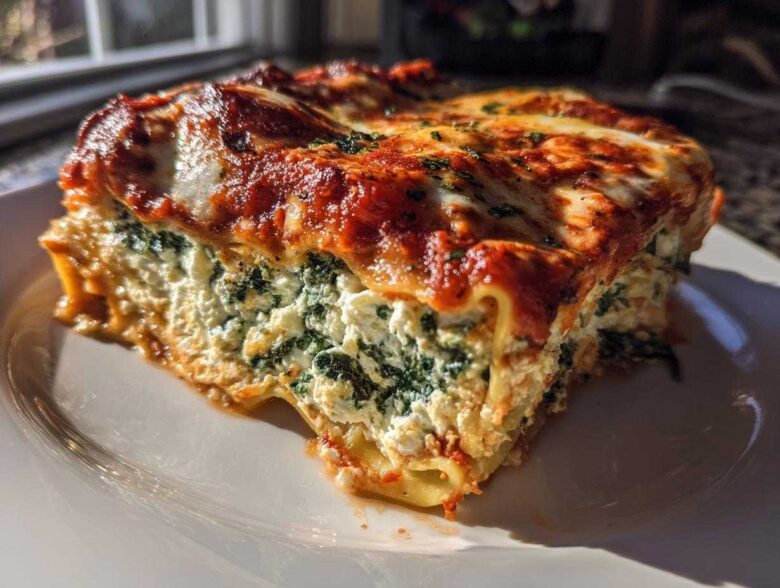
Oh, you know those nights when only a giant, bubbling pan of baked pasta will do? Lasagna is the ultimate comfort food, right? But sometimes, the traditional ricotta mix feels so heavy, and honestly, sometimes the grocery budget screams at me when I look at the price of fancy cheese!
I totally get it! That’s why I want to shout from the rooftops about the best Lasagna with Cottage Cheese you will ever make. Seriously, swapping out all or most of that ricotta for cottage cheese was a game-changer for me. My first attempt wasn’t perfect—I got a little watery—but I figured out the secrets! Now? It’s creamy, lighter tasting, fantastic for a high protein lasagna, AND it stretches further for the family dinner budget. Trust me, switching to cottage cheese actually gives you a lighter texture without sacrificing that unbelievably creamy, cheesy layer everyone wants.
Why This Lasagna with Cottage Cheese Recipe Works So Well
When people ask me why I preach this substitution, it always comes down to three things: protein, ease, and budget! This isn’t just some random kitchen experiment; it’s smart cooking for busy families. If you’re looking for an amazing comfort food hero that doesn’t require a library card of ingredients, this is it.
I swear by the results, which you can see when you look at the structure:
-
Achieving a High Protein Lasagna Filling
This is where cottage cheese really shows off! You automatically load your filling with way more protein than you’d get from standard ricotta. If you’re trying to sneak more nutrients into the kids—or just feeling better about that massive second slice—this is the secret weapon you need. It’s fantastic for a proper high protein lasagna!
-
Making This an Easy Lasagna for Weeknights
Let’s be real, I don’t have time for homemade sauce unless it’s Sunday. We use good quality jarred sauce here, which pulls our prep time way down. The assembly is just a straightforward layering process. That means you can get this entire baked pasta in the oven in under 30 minutes. That’s my definition of an easy lasagna!
Gathering Ingredients for Your Lasagna with Cottage Cheese
Okay, let’s talk about what we need! Since this is such a simple recipe, the quality of just a few ingredients really matters. We’re keeping things classic but swapping out a little something in the middle. You’ll need noodles, sauce, mozzarella, Parmesan, that star ingredient—the cottage cheese—and one crucial vegetable addition: frozen spinach.
Now, here’s my big non-negotiable tip, pay attention! You absolutely must thaw that spinach and squeeze every last drop of water out of it. I mean it! I wrap mine in a clean kitchen towel, twist it over the sink, and wring it like I’m milking a very watery goat. If you skip this step, your amazing cottage cheese recipes dream will turn into a soupy mess. Just aim for dry, dry, dry spinach!
Preparation Steps for the Cottage Cheese Filling
This is the step that makes or breaks your lasagna texture, so we need to give this filling some attention! Grab a medium mixing bowl—not too small, we need room to work in there. We aren’t baking anything yet, so we are focusing entirely on that creamy, herbaceous center.
First, dump in your cottage cheese. I usually just grab whatever kind I have—low-fat or full-fat—it all works, but the full-fat gives you a richer mouthfeel, just saying! Next up is that spinach we just squeezed into submission. Add it in there! Then, toss in the Parmesan, the egg, and all those lovely dried spices: basil, salt, and pepper. The egg is our little binder; it just helps everything gel together nicely once it heats up in the oven.
Now, mix it! Use a sturdy spoon or spatula and mix it until everything looks uniformly combined. You don’t want big pockets of white cheese sticking out next to chunks of green spinach. If you buy cottage cheese with huge curds and you absolutely *hate* getting a chunk of cheese in your bite, here’s a little trick I learned: give the cottage cheese a super quick pulse—maybe three seconds max—in a food processor before you start mixing everything else. It makes it finer, almost like ricotta, but I usually skip it because I actually like the texture contrast! This is what makes our creamy layer so satisfying.
Once it’s smooth-ish and smells fantastic, set that bowl aside. We’re ready to start building this masterpiece! We’ve got our sauce warming up, our noodles boiled, and now our glorious filling is ready for action. This whole process is so much quicker than traditional recipes. Check out how easy this cottage cheese recipe is!
Assembling Your Baked Pasta: Layering the Lasagna with Cottage Cheese
Alright, buckle up, because layering is like building the perfect sandwich—it matters! We start with a 9×13 dish, and before you do anything, give it a light grease so nothing sticks. We want easy cleanup, trust me!
First things first: sauce on the bottom! You need that small layer of sauce—about 1 cup—to act as a cushion. This keeps the bottom noodles from sticking to the glass and getting mushy. Don’t be stingy, but don’t drown it either.
Next, lay down your cooked noodles. We usually do four across, overlapping them just a tiny bit if your noodles are being stubborn. Then comes the star: spread half of that gorgeous, herby cottage cheese mixture evenly over the noodles. You want full coverage, but keep it below the edges so it doesn’t ooze out everywhere when it bakes.
Now we sprinkle. Take about a third of your mozzarella and dust it right over that cheese layer. Then, ladle on about a cup and a half more of the sauce. Repeat the whole process: noodles, the rest of the cottage cheese filling, another third of the mozzarella, and more sauce.
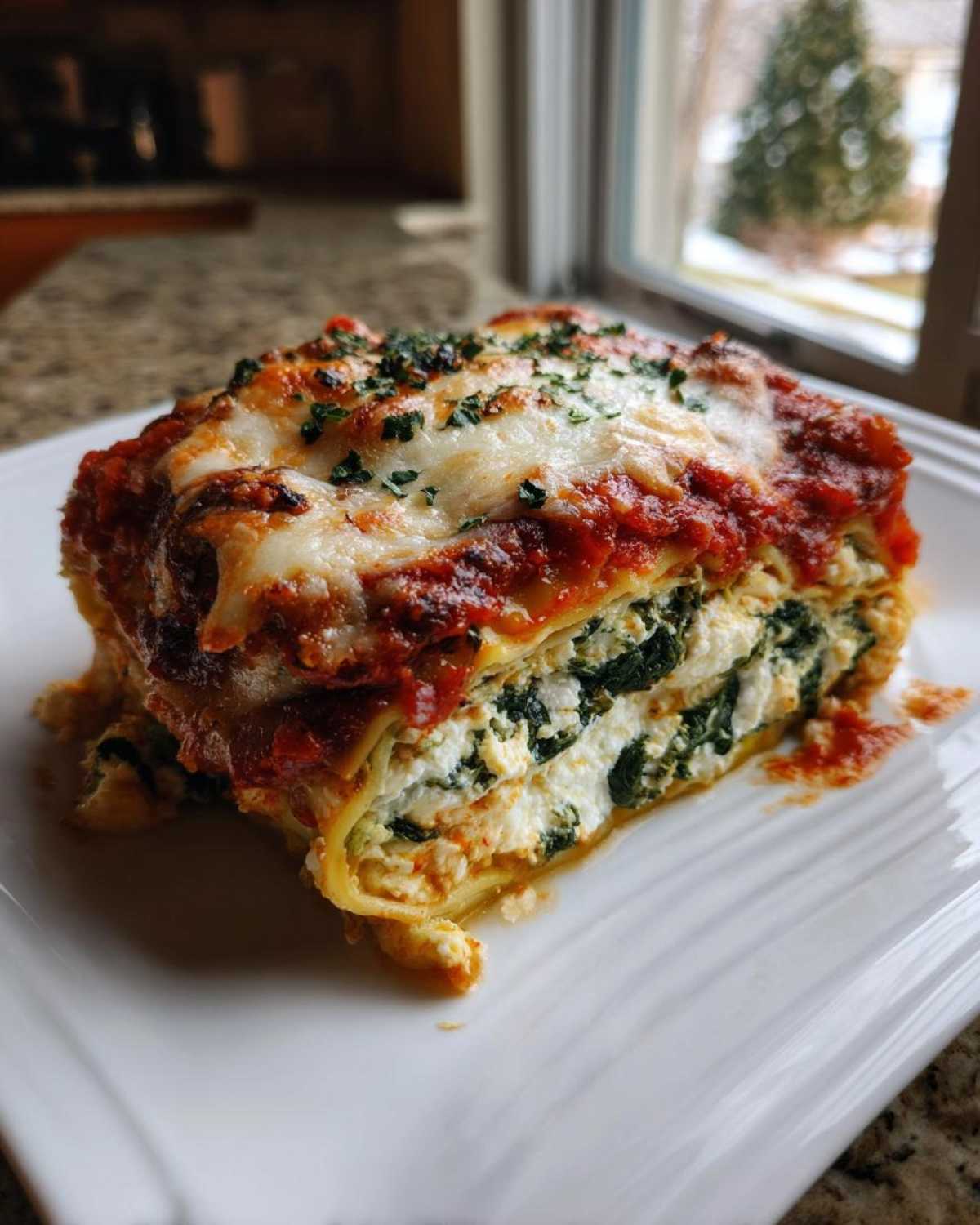
For the grand finale, top it with the last layer of noodles, pour the remaining sauce over everything, and use that final bit of mozzarella cheese on top. That final mozzarella layer is what gives you that glorious, browned crust we all dream about with a perfect baked pasta.
Baking Instructions for Perfect Lasagna with Cottage Cheese
Okay, we’ve built this beauty layer by layer; now it’s time to bake the magic happen! The two-stage baking process is critical here, especially since we are using cottage cheese, which can sometimes release a little extra moisture if you just blast it with heat straight away.
First things first: we need to trap that steam so the noodles finish softening perfectly and everything heats through evenly. Cover that 9×13 dish tightly with aluminum foil. Make sure it’s sealed down well! Pop it into your preheated oven—remember, we set it to 375 degrees F (190 degrees C).
You want the lasagna to bake covered for 25 minutes. This steamy environment is key to making sure all those layers become one delicious, cohesive casserole. After those 25 minutes, it’s time for the fun part! Pull the baking dish out carefully—it’s going to be hot—and take off that foil.
Now we wait for the color! Put it back in the uncovered oven for another 20 to 25 minutes. This second stage is when that top layer of mozzarella melts fully, starts to bubble, and gets those gorgeous golden-brown edges. That beautiful browning is why we uncovered it—you won’t get that lovely crust if you leave the foil on! If you’re looking for even crispier results, maybe check out my recipe for sheet pan lasagna, but for this classic, this dual method is perfection.
Once it looks volcanic and bubbly, pull it out. I know you’re going to want to dive in right away with a fork, but please, for the love of lasagna, let it rest for 10 minutes! This resting time is crucial. It lets all those cheesy layers firm up slightly so when you slice into it, it holds its shape instead of slumping into a puddle on the plate. Patience pays off, I promise!
Tips for Success with Cottage Cheese Recipes
When I first started swapping cottage cheese into my classic baked dishes, let me tell you, I had a few *incidents*! The first time I made this lasagna, I skipped squeezing the spinach properly, and when I went to serve it, it looked more like a cheese soup than a sturdy slice of comfort food. Never again! I learned quickly that the rules of using cottage cheese are slightly different than using ricotta, but once you know the moves, it’s foolproof.
Here are the lessons I learned the hard way, so you don’t have to!
-
Managing Moisture in Your Lasagna with Cottage Cheese
This is the biggest hurdle, honey. Cottage cheese holds water, and so do frozen veggies. You *must* treat that spinach like it’s your enemy until it’s dry! I squeeze it until my hands ache, which sounds dramatic, but it’s the difference between a beautiful slice and a sloppy mess. The goal is that thick, creamy layer, not a watery one. Also, if you opt for meat sauce, make sure your meat is fully browned and drained of unnecessary grease before adding it to the jarred sauce, as that can add sneaky liquid, too!
-
Resting Time: Why You Must Wait Before Serving
I know, I know. It smells amazing, it’s bubbling perfectly, and your family is staring daggers at you while you wait for the timer to hit zero. But that 10-minute rest is non-negotiable. Think of it this way: while it’s resting, all those hot, loose layers are taking a deep breath and solidifying their structure. If you cut into it immediately, all that gorgeous cheese—especially our cottage cheese mixture—runs everywhere. Wait the 10 minutes, and you get perfect, clean squares of what I proudly call my high protein lasagna!
Serving Suggestions for Your Family Dinner
So, you have this massive, satisfying pan of cheesy, comforting lasagna ready to go. What do you serve next to it? You need something light and crisp to cut through all that richness, right? This is real, hearty, Italian-American style food, perfect for feeding the whole crew!
If you ask me, a steaming slice of lasagna practically demands garlic bread. It’s the law in my house! You need something savory to sop up any sauce that escapes the pan. I have a quick recipe for easy homemade garlic butter that takes five minutes to whip up, and you just slather it on a loaf of French bread and bake it alongside the lasagna for the last 10 minutes. The smell alone will get everyone running to the table!
But you can’t just eat carbs and cheese, even if that sounds amazing for a minute. We need balance for our family dinner! I always try to pair this with a simple, acidic green salad. Think mixed greens, maybe some thinly sliced cucumber and red onion, tossed with a very bright, sharp vinaigrette—lemon juice and olive oil work wonders. The vinegar cuts through the richness of the mozzarella and the cottage cheese blend perfectly.
If you have picky eaters or just need something fast, steamed green beans tossed with a little salt and pepper are always a winner. Honestly, whatever you serve, make sure you have plenty of extra sauce on hand, because this lasagna disappears fast!
Storing and Reheating Leftover Lasagna with Cottage Cheese
The absolute best part about making a big pan of lasagna is having leftovers! This stuff is even better the next day after the flavors have really had time to mingle and settle in. Don’t let those precious edges go to waste!
When you’re done serving, you need to get that lasagna tucked into the fridge reasonably quickly. I like to cover the leftover sections tightly with plastic wrap first, and then maybe wrap the whole dish in foil or transfer slices to an airtight container. Because we added that moisture from the cottage cheese and spinach, it does need to stay covered properly to avoid drying out. Properly stored, this lasagna with cottage cheese will hold up beautifully in the refrigerator for a solid three to four days. That’s three more nights of easy dinners right there!
Reheating is where people sometimes make mistakes and end up with rubbery cheese or dry pasta. You have two main options here, depending on how much time you have:
For the absolute best results that mimic that fresh-out-of-the-oven taste, use the oven every time. Take out a single serving or a small section and place it in a small oven-safe dish. Cover it loosely with foil—and I mean *loosely*—just to trap some heat without steaming the top layer cheese into oblivion. Heat it at about 350 degrees F until it’s piping hot all the way through. This usually takes 20 to 30 minutes depending on the size of your piece, but it keeps the pasta soft and the cheese creamy.
Now, if you’re starving and time is ticking, the microwave totally works for convenience, especially for a single slice. Just make sure you put a paper towel over the top of the serving. This helps absorb some of the steam that tries to escape and dry out the pasta noodles. Heat it in short bursts—maybe 60 seconds, check it, then another 30 seconds—stirring carefully in the middle if you can, just to ensure the center gets hot without boiling the edges.
I’ve even frozen remnants before! If you have a big chunk left, slice it into single servings, wrap each serving tightly in plastic wrap and then foil, and toss it in the freezer. It keeps well for about two months. When you reheat a frozen slice, give it an extra splash of jarred sauce before covering it with foil and baking it low and slow to thaw and reheat evenly!
Frequently Asked Questions About This Lasagna Recipe
I always get questions flooding in after I post this recipe because swapping out ingredients always brings up a little doubt! It’s totally normal, especially when you’re trying out new cottage cheese recipes for the first time. Here are the things most people ask me right away:
-
Can I use ricotta cheese instead of cottage cheese in this lasagna?
Oh, you totally *can*, but then it’s not really the recipe I’m raving about, is it? If you use ricotta, you lose a good chunk of that satisfying protein boost we talked about. Plus, ricotta is naturally smoother and less tangy than cottage cheese. If you must substitute, the texture will be heavier and denser, which is fine, but you won’t get that light, slightly brighter flavor profile this specific lasagna recipe gives you!
-
Is this high protein lasagna recipe suitable for freezing?
Yes, absolutely, and this is a lifesaver for busy weeks! You have two good options. If you freeze it *before* baking, make sure it’s wrapped supremely well—foil then plastic wrap or a freezer bag. When you want to cook it, let it thaw overnight in the fridge first, then bake it covered, maybe adding an extra 15 minutes to the initial covered time. If you freeze leftovers *after* baking, make sure they are in airtight containers. Reheating from frozen is tricky, so I usually recommend letting it thaw first if you can!
-
What is the best way to make this a meat lasagna?
That’s an easy tweak! Our current recipe is vegetarian because we just use jarred sauce, but you can turn this into a fantastic meat version really easily. When you grab your jarred sauce, just brown about a pound of ground beef or Italian sausage separately. Drain off any excess fat—we don’t want greasy lasagna!
Then, depending on how much volume you want, you can either mix that cooked meat right into the jarred sauce before starting the layering process, or, if you want extra meaty flavor in the middle, you could mix some cooked meat directly into the cottage cheese layer instead of using spinach there! Either way, you get that delicious hearty flavor that makes for the best family dinner.
Lasagna with Cottage Cheese
A straightforward recipe for baked lasagna using cottage cheese for a creamy, high-protein filling.
- Prep Time: 20 min
- Cook Time: 50 min
- Total Time: 70 min
- Yield: 8 servings
- Category: Dinner
- Method: Baking
- Cuisine: Italian-American
- Diet: Vegetarian
Ingredients
- 1 (16 ounce) package lasagna noodles
- 1 (15 ounce) container cottage cheese, low fat or full fat
- 1 (10 ounce) package frozen chopped spinach, thawed and squeezed dry
- 1 large egg
- 1/2 cup grated Parmesan cheese
- 1 teaspoon dried basil
- 1/2 teaspoon salt
- 1/4 teaspoon black pepper
- 2 (24 ounce) jars meat sauce or marinara sauce
- 2 cups shredded mozzarella cheese
Instructions
- Preheat your oven to 375 degrees F (190 degrees C). Lightly grease a 9×13 inch baking dish.
- Cook lasagna noodles according to package directions until al dente. Drain and set aside.
- In a medium bowl, combine the cottage cheese, squeezed dry spinach, egg, Parmesan cheese, basil, salt, and pepper. Mix well.
- Spread about 1 cup of meat sauce on the bottom of the prepared baking dish.
- Arrange four cooked lasagna noodles over the sauce, slightly overlapping if necessary.
- Spread half of the cottage cheese mixture evenly over the noodles.
- Sprinkle one-third of the mozzarella cheese over the cottage cheese layer.
- Spoon about 1 1/2 cups of sauce over the mozzarella.
- Repeat the layers: noodles, remaining cottage cheese mixture, one-third of the mozzarella, and another layer of sauce.
- Top with the final layer of noodles, the remaining sauce, and the remaining mozzarella cheese.
- Cover the dish tightly with aluminum foil.
- Bake for 25 minutes. Remove the foil and bake for an additional 20 to 25 minutes, or until the cheese is melted and bubbly and the lasagna is heated through.
- Let the lasagna rest for 10 minutes before slicing and serving.
Notes
- Squeezing the moisture from the thawed spinach is important to prevent a watery lasagna.
- You can substitute ground beef or Italian sausage cooked with your favorite sauce for the jarred sauce for a meat version.
- For a lower-carb option, you can use oven-ready noodles, but check your sauce amount as they absorb more liquid.
Nutrition
- Serving Size: 1 slice
- Calories: 450
- Sugar: 12g
- Sodium: 850mg
- Fat: 18g
- Saturated Fat: 9g
- Unsaturated Fat: 9g
- Trans Fat: 0.5g
- Carbohydrates: 45g
- Fiber: 4g
- Protein: 30g
- Cholesterol: 55mg