

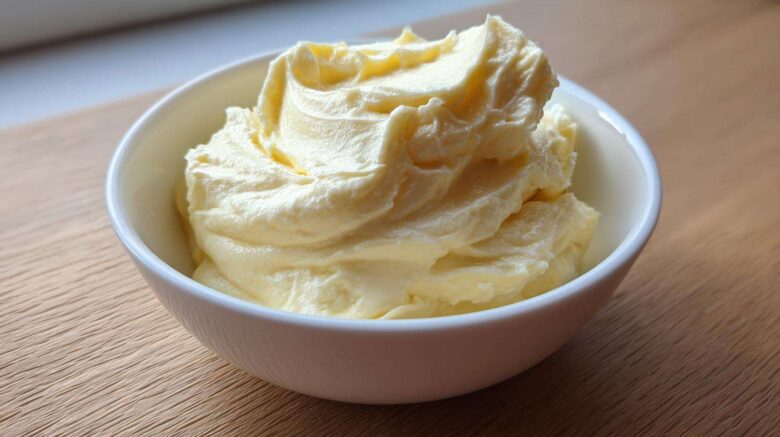
Welcome to Our Taste Portfolio: Making Incredible homemade mayonnaise
I used to think making real homemade mayonnaise was kitchen magic. Truly. I planned everything, remember? But Jacob just, well, he knew how to whip things up. This blog shares our successful kitchen projects. We are Amelia and Jacob. We take my detailed plans and his cooking intuition. Making this incredible homemade mayonnaise is one of our proudest achievements. It tastes so much better than store-bought stuff. We’re thrilled to share our process with you today.
Why We Mastered homemade mayonnaise
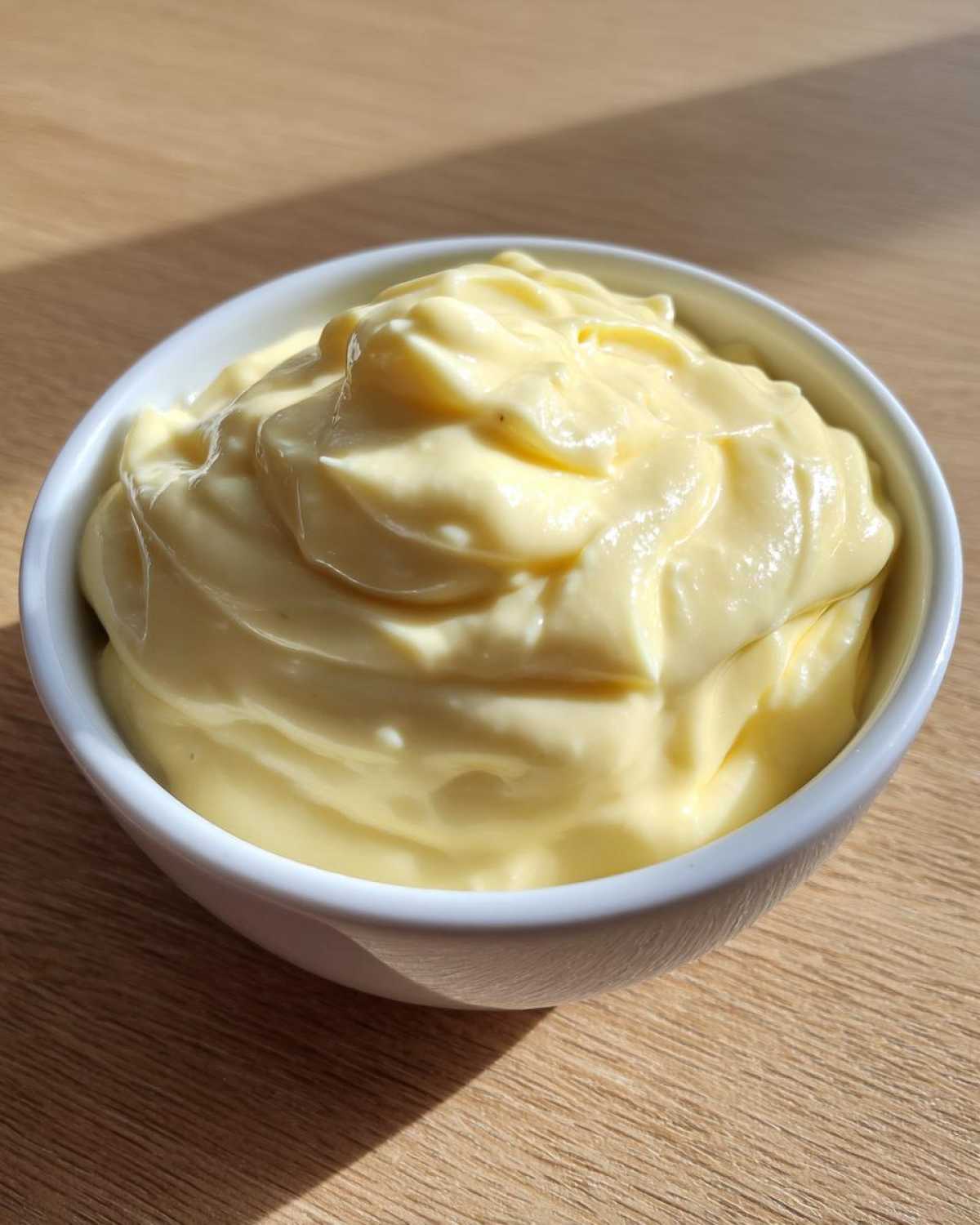
When I first saw Jacob make this, I was skeptical. It seemed too simple. I worried about the raw egg part, too. I feared breaking the mixture. That fear kept me buying jars for years. But Jacob showed me the system. He proved it wasn’t about luck. It was about good technique. Now, I feel so confident making this fresh condiment. You can master it too. Don’t let intimidation stop your cooking.
The Secret to Foolproof homemade mayonnaise
Our method cuts out the stress. Forget whisking for ages. We rely on speed and simplicity. This recipe needs just five core ingredients. That’s it. The real game-changer? Using an immersion blender or a food processor. This tool creates a stable emulsion fast. It gives us that beautiful, thick texture every time. It’s quick. It’s reliable. It’s why this recipe works.
Essential Components for Your homemade mayonnaise
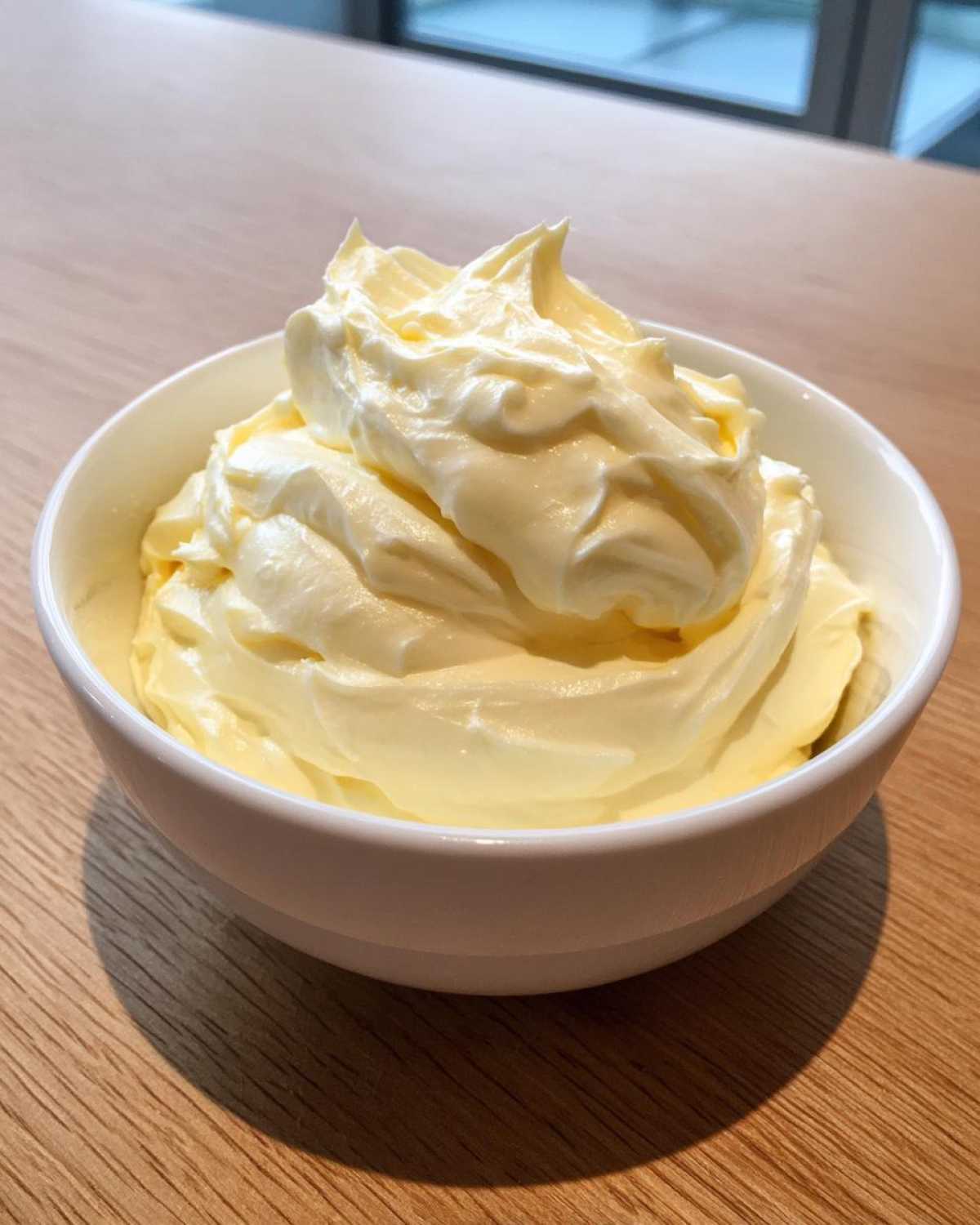
Getting the right stuff matters here. Quality ingredients make the best fresh condiments. Remember, we are only using five things total. That means each item needs to shine. Measuring precisely helps a lot. I learned that the hard way initially. A little too much oil ruins the texture fast. Let’s gather exactly what we need for our creamy homemade mayonnaise.
Ingredient List for Creamy homemade mayonnaise
- One large egg yolk. Make sure it’s room temperature, please!
- One teaspoon of Dijon mustard. This helps hold things together.
- One teaspoon of fresh lemon juice or white wine vinegar.
- One half teaspoon of simple salt.
- One cup of a nice neutral oil. Use canola or grapeseed oil.
Necessary Kitchen Tools
We keep the tool list short, too. This keeps the process simple. You need something to mix everything really well. The immersion blender is my top pick. Its narrow jar is perfect for emulsifying. A food processor works great as an alternative. Both tools deliver that perfect, quick result. Make sure your blending container is tall and narrow.
Step-by-Step Instructions for Quick homemade mayonnaise
Now for the fun part. This is where the magic happens. We turn simple liquids into thick gold. Follow these steps closely. The initial blending sets the stage perfectly. We are making our fantastic homemade mayonnaise right now.
Preparing the Flavor Base
First, gather your ingredients. Place the egg yolk inside your tall blending cup. Add the Dijon mustard right in there. Toss in your lemon juice or vinegar now. Don’t forget the salt either. Now, blend these things for about fifteen seconds. You want them lightened up. They should look slightly pale when ready.
Starting the Emulsion: The Critical Drizzle
This next part is crucial, friends. It stops the mayo from separating. Start blending the base mixture again. Now, add your neutral oil very slowly. I mean agonizingly slow at first. Drizzle in just a few drops. Keep the blender running constantly. Don’t stop blending for anything. This slow start builds the foundation. If you rush this, you will get soup. That is the biggest kitchen mistake here.
Finishing the Thickening Process
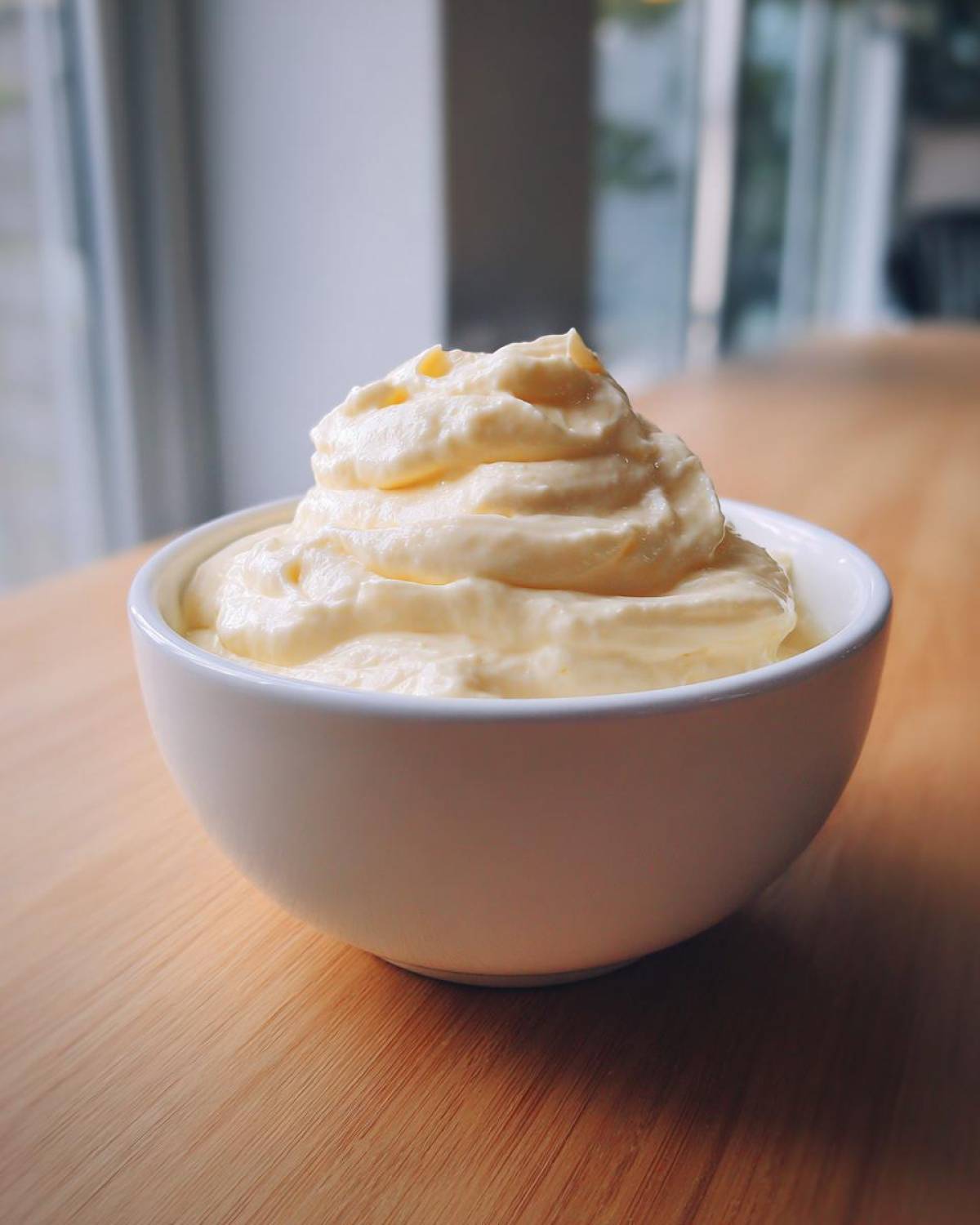
Once about a quarter cup of oil is in, you can relax a tiny bit. The mixture should look cloudy now. You can increase the oil stream slightly. Pour it in a thin, steady stream now. Keep blending the entire time. Continue this until all the oil is gone. The mixture will thicken fast. It becomes rich and creamy. Give it one last quick blend. Taste test it now. Add more salt if needed. Enjoy your quick homemade mayonnaise!
Tips for Success Making homemade mayonnaise
Even with the best plan, things sometimes go sideways in the kitchen. Don’t panic if your mayonnaise looks a little sad. I’ve been there plenty of times. Success with this recipe hinges on a couple of key details. Let’s talk about how to get that perfect, thick texture consistently.
Achieving Perfect Emulsion Every Time
First, remember the temperature rule. Room temperature ingredients emulsify much better. A cold egg yolk resists mixing. If your mayo splits and separates, don’t throw it out! Save that broken mess. Take a clean bowl. Add one fresh egg yolk to it. Start whisking that new yolk slowly. Then, whisk the broken mixture into the new yolk. Add it one teaspoon at a time. This trick usually saves the batch.
Adjusting Thickness and Flavor
Sometimes the immersion blender works too well. Your mixture might become super thick. That’s okay, it’s fixable. Take a few drops of warm water. Whisk it in very slowly. This loosens the texture right up. When you taste it, think about balance. Does it need brightness? Add a tiny bit more acid. Does it need salt? Adjust it gently now. You’re in control of the final taste.
Variations on Your Fresh homemade mayonnaise
Once you nail the basic recipe, you should play around. This fresh homemade mayonnaise is a perfect base. It’s like a blank canvas for flavor exploration. We love customizing ours for different meals. You can make it fancy instantly. Small changes make a big impact here.
Adding Garlic Flavor
Want a quick aioli? That’s easy. Just add garlic flavor. Follow Step 1 exactly as written. Before blending, toss in one peeled garlic clove. Blend it right in with the yolk and mustard. The immersion blender crushes it beautifully. This gives you a wonderful garlic kick. It’s perfect for dipping french fries.
Simple Acid Swaps
Lemon juice is great, but try something new. White wine vinegar works well too. For a deeper flavor, try apple cider vinegar. Rice vinegar offers a milder, sweeter tang. Each acid changes the final profile slightly. Experimentation is part of the fun here. Just keep the measurement the same.
Serving and Storing Your Homemade Condiment
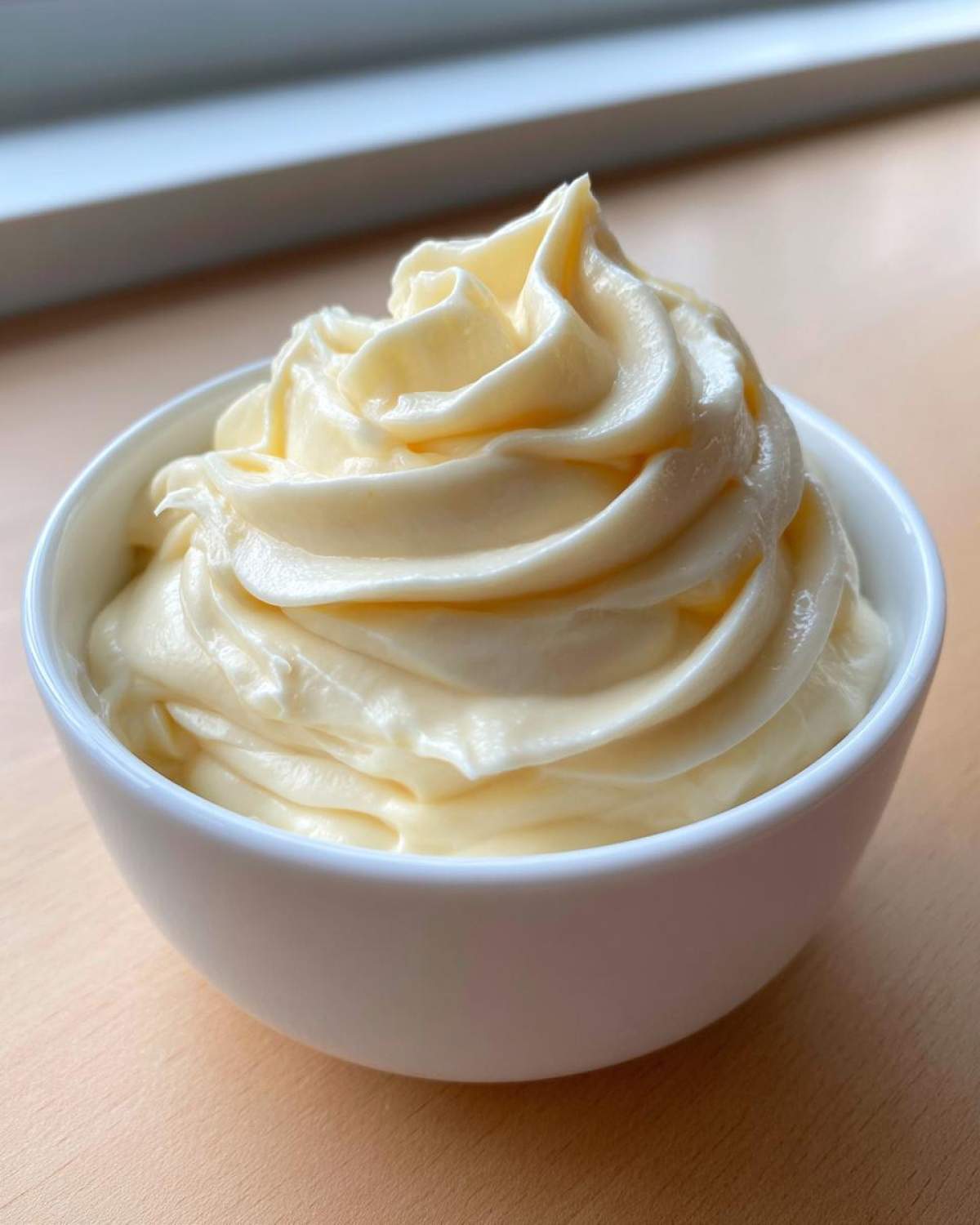
You did it! You have created something delicious. Now, what do you do with all this fresh goodness? Storing it right keeps it tasting great. Using it creatively makes your meals better. This homemade condiment deserves a spotlight.
Serving Suggestions for Your Homemade Creation
Spread this thick mayo on your next sandwich. It beats the jarred stuff easily. Drizzle it over crisp green salads. It makes potato salad taste amazing. Use it as a base for dipping sauces. Try it with roasted vegetables. It adds richness to everything.
Storage Guidelines for Fresh homemade mayonnaise
Transfer the finished product right away. Use a clean, airtight container only. Pop it into the refrigerator immediately after mixing. It should keep well for about one week. Always check for off-smells before using. Keep it cold to maintain freshness.
Frequently Asked Questions About homemade mayonnaise
I know you might have lingering questions. That is totally normal! Making things from scratch feels different. We want you to feel ready to try this easy mayonnaise recipe. Let’s clear up a few things quickly.
Can I Substitute the Oil in This easy mayonnaise recipe
Yes, you can substitute the oil. However, the flavor changes. Strong oils like olive oil can taste bitter. They overpower the fresh taste. Stick to neutral oils mostly. Canola, grapeseed, or light sunflower oil work best. They let the lemon and yolk shine through. Flavorful oils are for drizzling, not for large batches.
How Long Does homemade mayonnaise Last if Refrigerated
Since we use a raw egg yolk, be mindful. This homemade mayonnaise lasts about seven days. Keep it tightly sealed in the fridge. Never leave it sitting out on the counter. Remember, it lacks the preservatives of store-bought versions. Freshness is key here.
What If My immersion blender mayonnaise Breaks
If your immersion blender mayonnaise breaks, don’t panic. It happens to everyone sometimes. Take a clean bowl. Put one fresh egg yolk inside it. Start blending that new yolk. Then, slowly drizzle the broken mixture in. Add it just a teaspoon at a time. It should re-emulsify perfectly. You’ll have a creamy batch again!
Estimated Nutritional Profile for homemade mayonnaise
We know you’re curious about the breakdown. When you make something this good, you want the facts. Keep in mind these numbers are estimates only. We used standard ingredient averages here. Your exact values might shift slightly. This data is based on a one-tablespoon serving size.
It is rewarding to use fresh ingredients. You control exactly what goes in your food. Here is the general profile for our simple homemade mayonnaise:
- Calories: Roughly 90 to 100 per serving.
- Total Fat: About 10 grams total.
- Protein: Very low, less than half a gram.
- Carbohydrates: Less than half a gram too.
Most of the fat comes from the neutral oil. It contains healthier unsaturated fats. We love knowing the details of our cooking projects. This transparency makes the final product even sweeter.
Share Your Finished Project
We shared our blueprint for success. Now it is your turn to build this project. Making homemade mayonnaise is a kitchen win. It feels good to create something so fresh. I hope you feel inspired to try this soon. Jacob and I love seeing what you create. Check out our main blog for more kitchen adventures.
Rate Our Recipe and Tell Us About Your Results
Did this method work for you? Did you achieve that perfect creamy texture? Please let us know in the comments below. Your feedback helps our portfolio grow stronger. Tell us if you tried a flavor variation too. We read every single comment you leave. Don’t forget to give this recipe a star rating!
PrintAmazing 5-Ingredient homemade mayonnaise Secret
Make creamy, fresh mayonnaise at home with this simple, foolproof recipe. You need only five ingredients and a quick process to create a superior alternative to store-bought versions for all your sandwiches and salads.
- Prep Time: 5 minutes
- Cook Time: 0 minutes
- Total Time: 5 minutes
- Yield: About 1 1/4 cups
- Category: Condiment
- Method: Immersion Blender or Food Processor
- Cuisine: American
- Diet: Vegetarian
Ingredients
- 1 large egg yolk
- 1 teaspoon Dijon mustard
- 1 teaspoon fresh lemon juice or white wine vinegar
- 1/2 teaspoon salt
- 1 cup neutral oil (like canola or grapeseed)
Instructions
- Place the egg yolk, mustard, lemon juice, and salt into a tall, narrow container suitable for an immersion blender, or into a food processor.
- Blend these ingredients together for about 15 seconds until they are well combined and slightly pale.
- Begin blending the mixture again. Slowly drizzle the oil in, starting with just a few drops at a time while the blender runs constantly. This initial slow addition is key to starting the emulsion.
- After about 1/4 cup of oil is incorporated, you can increase the speed of the oil stream slightly, pouring in a thin, steady stream.
- Continue blending until all the oil is incorporated and the mixture has thickened into a rich, creamy mayonnaise.
- Taste the mayonnaise and adjust salt or add a small dash more lemon juice if you prefer more tang.
- Transfer the finished mayonnaise to an airtight container and refrigerate.
Notes
- Use room temperature ingredients for the best emulsification results.
- If your mayonnaise seems too thick, you can thin it slightly by whisking in a few drops of warm water.
- If the mayonnaise splits (separates), start over with a clean bowl using a fresh egg yolk and slowly whisk the broken mixture into the new yolk, one teaspoon at a time.
- For garlic mayonnaise, add one clove of peeled garlic with the egg yolk in Step 1.
Nutrition
- Serving Size: 1 tablespoon
- Calories: Approx. 90-100
- Sugar: Less than 0.5g
- Sodium: Approx. 50mg
- Fat: Approx. 10g
- Saturated Fat: Approx. 1g
- Unsaturated Fat: Approx. 9g
- Trans Fat: 0g
- Carbohydrates: Less than 0.5g
- Fiber: 0g
- Protein: Less than 0.5g
- Cholesterol: Approx. 25mg